


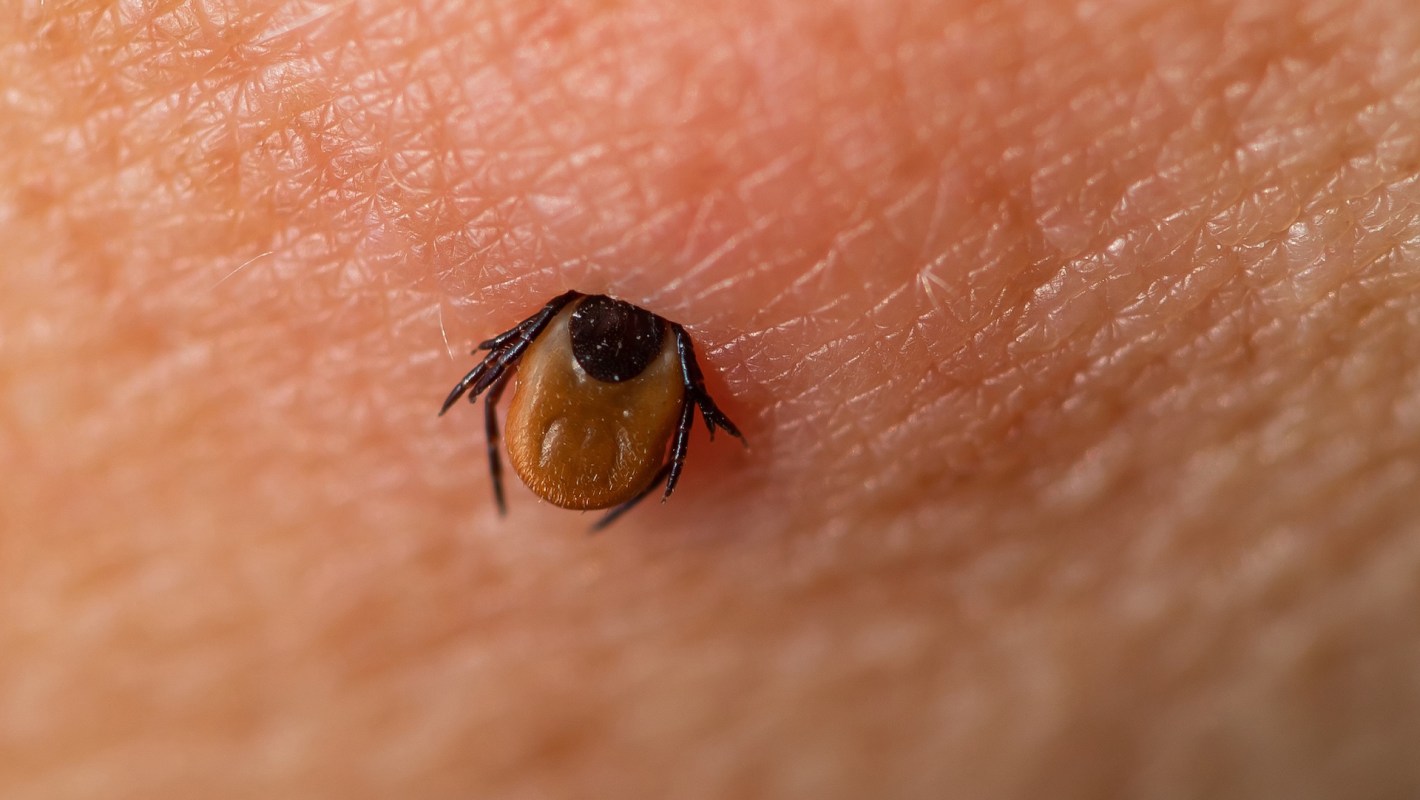
Martha's Vineyard residents are avoiding red meat and dairy in droves — but that's due to tick-borne illness rather than dietary choice, the New York Times reports.
What's happening?
Martha's Vineyard is an East Coast enclave known as a summer escape from Boston and New York City, with a full-time population of around 20,000.
In recent years — extremely recent — those who live on and visit the island have been grappling with a surging lone star tick population. Ticks feed on the blood of humans and animals, making them efficient vectors for disease.
Lone star ticks are no exception, known for spreading ehrlichiosis, Heartland virus disease, tularemia, and Southern tick-associated rash illness (STARI), a Lyme disease-like illness.
However, alpha-gal syndrome is the tick-borne disease afflicting those on Martha's Vineyard in large numbers. Alpha-gal syndrome causes sudden and potentially life-threatening intolerance to alpha-gal, a sugar found in the tissue of most mammals.
This typically presents as an abrupt allergy to red meat, but intolerance to dairy is not uncommon. Nina Levin spoke to the Times about her experience with alpha-gal syndrome, which caused her to become ill "a few hours" after an encounter with lone star ticks.
Levin, a baked goods and ice cream purveyor, was again bitten by a lone star tick more recently and said the effects of alpha-gal syndrome left her unable to sample many of her own wares.
"I'm not a big red-meat eater. But the dairy is, like, tragic," Levin admitted.
Frighteningly, Levin's experience is nowhere near rare, and the Times included stats about the number of cases of alpha-gal syndrome versus tests carried out in 2025: 523 positive cases out of 1,254 tests in total. In 2020, that rate was two tests out of nine total, the outlet indicated.
"Alpha-gal cases are skyrocketing across the island," biologist Patrick Roden-Reynolds told the Times.
TCD Picks » Quince Spotlight
💡These best-sellers from Quince deliver affordable, sustainable luxury for all




|
Do you worry about companies drilling too deep into the ground? Click your choice to see results and speak your mind. |
 Definitely 💯
 Why are alpha-gal cases on Martha's Vineyard concerning?
Martha's Vineyard is both an island and a summer destination, not unlike the Hamptons in New York — and while the issue is particularly acute there, rates of alpha-gal syndrome are increasing across the United States, per the New England Journal of Medicine's Journal Watch.
The dramatic increase in positive cases in contrast with 2020 wasn't limited to Martha's Vineyard, nor is the cause a mystery — overall warmer weather enabled populations of lone star ticks to move into new areas.
"Climate change is altering ecosystems, extending warmer seasons, and creating more hospitable environments for ticks. As global temperatures rise, ticks are thriving in areas previously too cold for them, expanding their geographic range," local environmental org The Vineyard Way explained.
"It seems like an oddity now but we could end up with millions of people [in the US] with an allergy to meat," said Brandon Hollingsworth, expert and co-author of a study about the issue.
What can people do about it?
As alpha gal syndrome cases rise, awareness of climate-related issues and preventive steps is key.
Avoiding tall grass and other tick-friendly areas, wearing clothing that covers exposed skin, using pesticides, and checking for ticks can help prevent infection.

Join our free newsletter for weekly updates on the latest innovations improving our lives and shaping our future, and don't miss this cool list of easy ways to help yourself while helping the planet.
Cool Picks





