


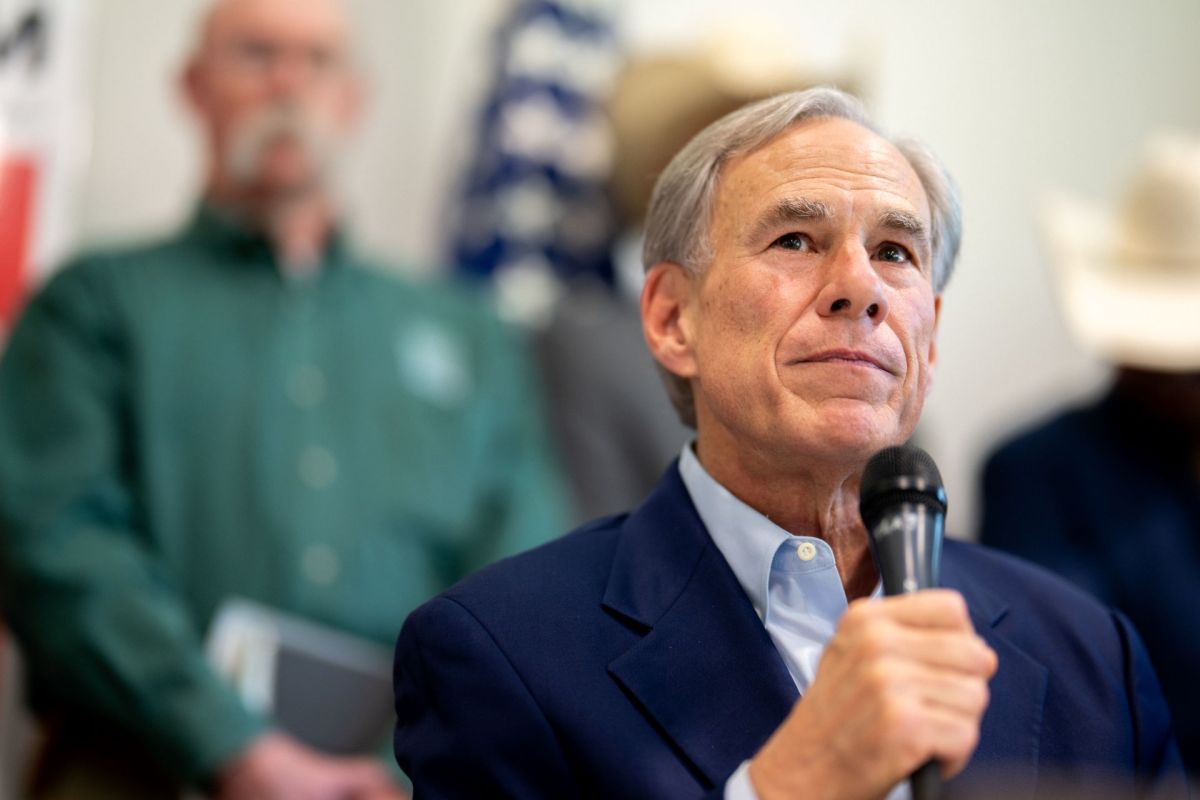
Governor Greg Abbott has escalated his criticism of data center expansion in Texas, targeting a fast-growing and increasingly contentious corner of the artificial intelligence industry.
While campaigning in East Texas, The Texas Tribune reports that he argued that rural areas should not have to absorb any of the costs and disruption associated with massive new facilities.
What happened?
At an event Tuesday in Bullard, Abbott went beyond the rules package he rolled out earlier this month.
"We must prohibit them from building AI data centers in rural Texas neighborhoods," Abbott said, according to the Tribune.
He also restated the requirements he said he wants future projects to meet in a directive from earlier this month, the outlet noted.
"Any AI data center even thinking about coming here — they got to bring their own money, bring their own power, reuse their own water and do it in a way that reduces the cost of electricity for residents across our state," Abbott declared, per the Tribune.
TCD Picks » Quince Spotlight
💡These best-sellers from Quince deliver affordable, sustainable luxury for all




The push comes as Texas faces a wave of proposed data center construction. A Tribune analysis found that about half of the planned facilities would be built in unincorporated parts of the state, compared with 12% now.
Surveys point in the same direction politically. Recent polling from the University of Texas/Texas Politics Project found broad opposition to nearby data centers, with resistance strongest in rural communities, where nearly two-thirds of residents opposed having one built nearby.
Why does it matter?
Data centers are essential to AI, cloud computing, and much of the modern internet, but operating them can require enormous amounts of electricity, land, and water.
For nearby residents, the concerns include potentially higher utility bills along with added pressure on water supplies and local air quality.
AI's relationship with the power grid is especially complicated. AI can help utilities forecast demand, improve grid reliability, and better integrate wind and solar energy. But the servers that train and run AI systems can also consume huge amounts of energy and cooling water, raising concerns about pollution, infrastructure strain, and affordability for households.
That tension is becoming especially pronounced in Texas, where many proposed sites are in rural, heavily Republican areas that voted for President Trump.
The same regions that have previously welcomed business growth are now questioning whether these projects provide enough local benefit to justify the tradeoffs. The same goes for politicians like Abbott trying to shore up support.
What's being done?
Abbott previously said he wants new rules to ensure data center development does not "come at the cost of Texans and our local communities," as the Tribune reported.
The publication noted his earlier recommendations included requiring developers to supply additional generation, cover their own infrastructure expenses, reuse water, and follow setback rules intended to reduce impacts on nearby neighborhoods.
Local officials are also trying to respond, though the powers they have vary by jurisdiction, as the Tribune explained. Several counties have explored moratoriums, but legal pressure from developers has complicated those efforts.
Cities generally have stronger zoning powers, and San Marcos recently became the first Texas city to ban the facilities outright, though that move could face a challenge from a state lawmaker.

Get TCD's free newsletters for easy tips, smart advice, and a chance to earn $5,000 toward home upgrades. To see more stories like this one, change your Google preferences here.






