


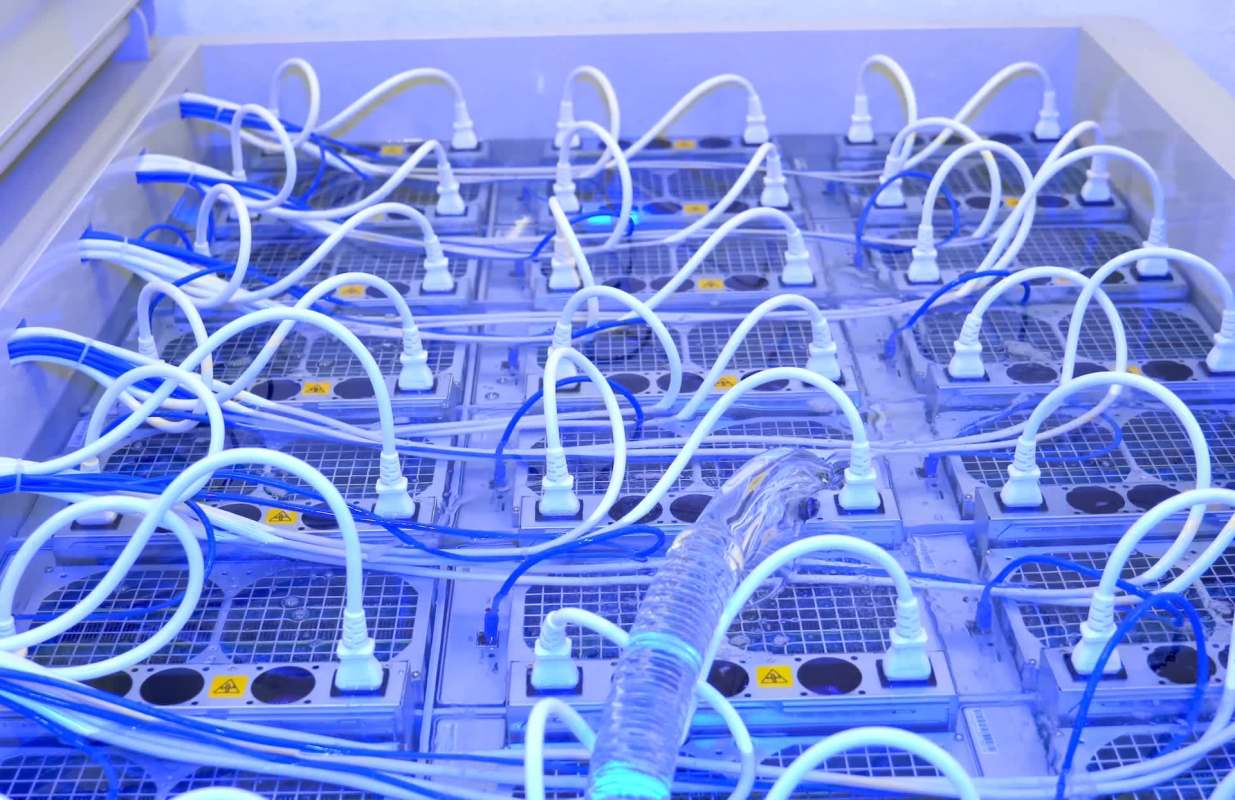
Texas is edging closer to the top spot in the U.S. data center market, but lawmakers have said they still do not have a clear accounting of how much water many of those projects require.
That question came into focus again at a June hearing in Austin, where officials said fewer than one-third of the companies contacted answered state questions about water and electricity needs.
What happened?
To get a better picture of the needs of large-scale data centers, Texas officials asked operators in a survey to report how much water their facilities use, how they cool them, and how much electricity they require.
But, according to The Texas Tribune, the Public Utility Commission of Texas received responses from only 28 companies representing 92 facilities in different stages of development.
Texas has more than 248 proposed data centers in the pipeline, intensifying local worries about pressure on both water supplies and the electric grid.
The Texas Tribune said that at the hearing, state Rep. Brad Buckley, who serves on the House Natural Resources Committee, offered a blunt assessment: "Bad data, bad study."
TCD Picks » Quince Spotlight
💡These best-sellers from Quince deliver affordable, sustainable luxury for all




Lawmakers questioned how much confidence they could place in the survey if so many companies opted not to participate. Buckley warned about making policy decisions based on "pretty pathetic" data. The lawmaker later added, "That's just how science works. You either have enough data or you don't."
Other lawmakers agreed with Buckley. State Rep. Jeffrey Barry of Pearland said policymakers cannot keep making future water decisions based on "sparse information."
"We see this pattern of continuing to use either, you know, half-baked information or old information to make futuristic determinations on where we're moving forward, we need to be a little bit more consistent in the types of data," Barry said, per The Texas Tribune.
Why does it matter?
Data centers support many of the digital services people rely on every day, from cloud computing and streaming to cryptocurrency operations and, increasingly, artificial intelligence tools.
Proponents have said AI can help utilities forecast demand, add more renewable energy to the grid, and operate cleaner, more efficient power systems. Even so, the technology sector's rapid expansion is also driving large increases in electricity use and, in some cases, water consumption for cooling.
That combination has heightened concerns about grid strain, rising utility costs, security issues, and other unintended effects for nearby communities.
In Texas, those questions have become more urgent as officials who once eagerly welcomed data centers have started pressing harder on who should pay for the infrastructure needed to serve them.
Gov. Greg Abbott has told public utilities to keep those costs away from customers' bills, and he has also recommended requiring more efficient water recirculation systems.
Google has said its new data centers will use 100% air-cooled, closed-loop cooling systems, which can lower water demand.
Even so, lawmakers have said they still need much better information before deciding how to manage increasingly scarce resources.

Get TCD's free newsletters for easy tips, smart advice, and a chance to earn $5,000 toward home upgrades. To see more stories like this one, change your Google preferences here.






