


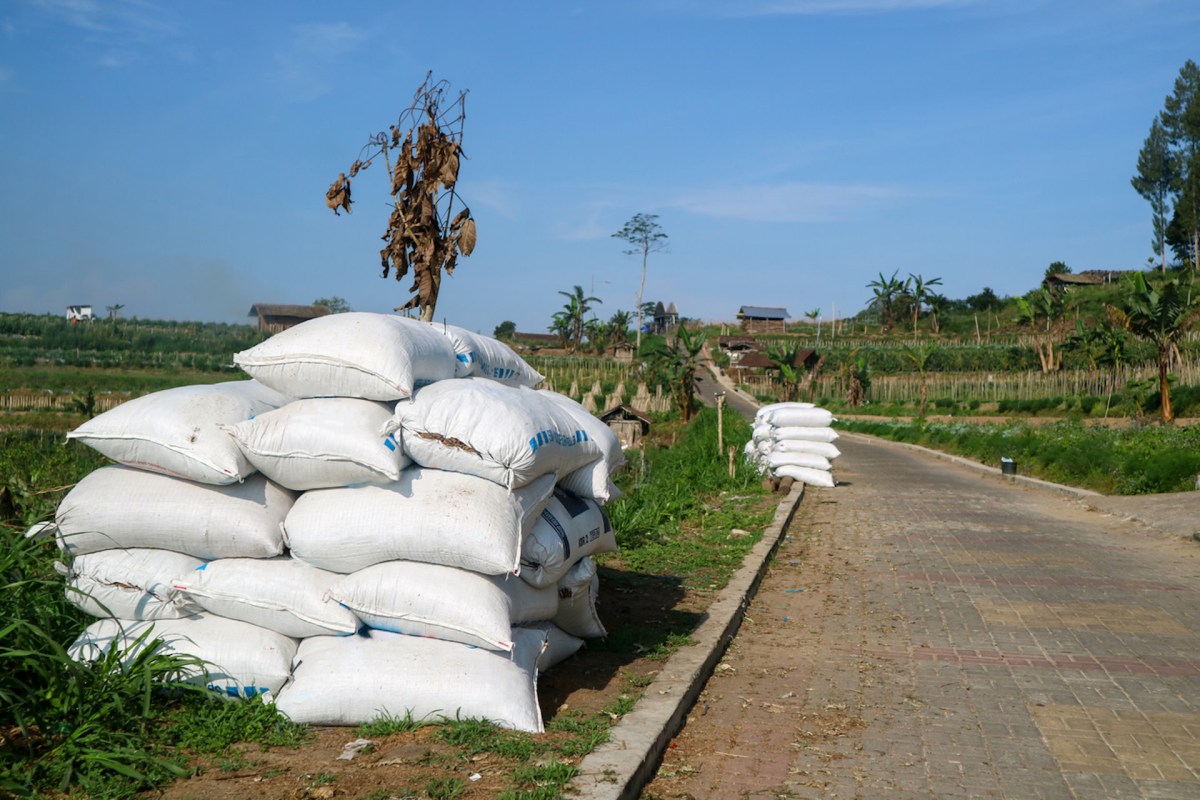
Two scientists are sounding the alarm about the health and environmental impacts of the macro and microplastics that are used in agriculture.
What happened?
A pair of scientists at the University of California, Davis, recently penned an article on Open Access Government that raises concerns about the plastics used within the agricultural sector.
These include macroplastics that are used as protective wraps and to make irrigation tubes, among other things, and microplastics that are utilized in fertilizers to allow controlled release of the products, increase seed storage life, and improve drainage in soil conditioners.
"While there are significant benefits to using plastics in agriculture, there are emerging concerns regarding the risks associated with agricultural plastics," the scientists stated.
Why are plastics used in agriculture concerning?
According to the paper, macroplastics slowly break down over time and turn into micro- and nanoplastics.
The tiny particles seep into the soil, limiting its capacity to hold water. This can affect crop health — the scientists cited a study of radishes that found that adding microplastics to the soil negatively impacted root biomass.
TCD Picks » Quince Spotlight
💡These best-sellers from Quince deliver affordable, sustainable luxury for all




Per the article, the absorption of micro- and nanoplastics into the soil can also result in the concentration of pollutants like PFAS (per- and polyfluoroalkyl substances, also known as "forever chemicals"), toxic metals like mercury and lead, and pesticides. This can increase the risk of human exposure to these pollutants, the article's authors said.
Scientific studies have found that PFAS can cause health issues, like decreased fertility, developmental effects or delays in children, increased risk for some cancers, interference with the body's natural hormones, and reduced ability of the immune system to fight off infection.
Meanwhile, chronic exposure to lead is associated with kidney dysfunction, hypertension, and neurocognitive issues, according to the U.S. Food & Drug Administration.
Plus, micro- and nanoplastics endanger the environment and wildlife. For instance, if ingested, they can block the gastrointestinal tracts of small birds and fish. They can also cause harmful changes in feeding behavior and fertility in aquatic invertebrates.
What's being done about the plastics plague?
Our plastic problem is not limited to the agricultural sector, and many governments are implementing positive changes to combat it. For instance, California recently banned plastic produce bags from grocery stores. Also, India has banned some single-use plastics, while England and France have banned plastic cutlery for most fast food and takeout meals.
There are many exciting scientific developments that will help to break our dependence on plastic. New research revealed that plastic alternatives made from things like recycled seaweed and fungus are viable. Scientists have also discovered how to break down plastic using hungry wax worms and fungus, along with a way to remove microplastics from our drinking water.

Join our free newsletter for weekly updates on the coolest innovations improving our lives and saving our planet.






