


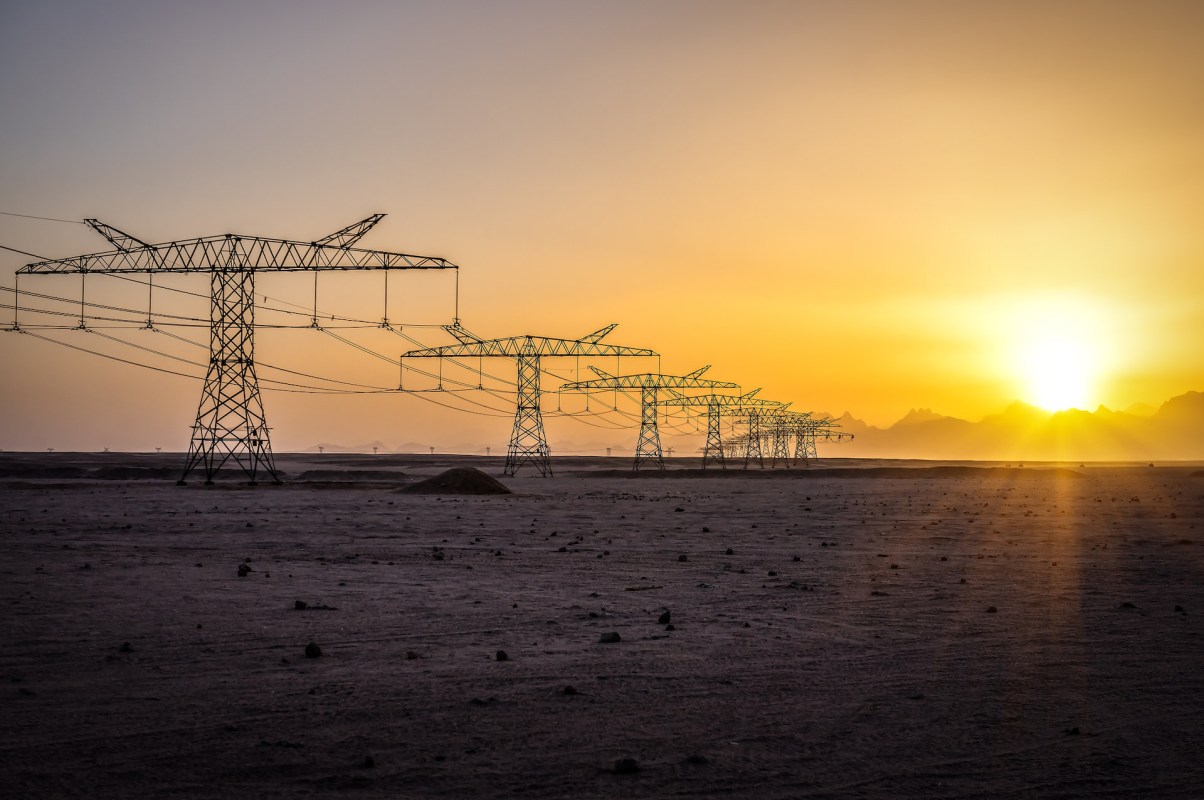
After three years of work, a pair of multinational development organizations has released a powerful new tool aimed at accelerating the adoption of electricity minigrids across Africa, according to ESI Africa.
If successful, the tool could serve as a model for the adoption of mini-grids and decentralization of electricity globally.
"When we think about global trends in the energy sector around the world, we're moving toward decentralization," Grace Perkins, the operations director at the Africa Minigrid Developers Association, said in an interview with ESI Africa.
"Africa has an opportunity to leapfrog ahead to where Europe and America are going back to, which is decentralized units of power."
Energy decentralization means moving away from large, centralized power plants toward distributed energy generation. This involves using smaller but more numerous sources of electricity, which are typically closer to a consumer.
One key advantage of decentralized power is that it minimizes the amount of electricity lost because of energy transmission.
Perk up the winter blues with natural, hemp-derived gummies Camino's hemp-derived gummies naturally support balance and recovery without disrupting your routine, so you can enjoy reliable, consistent dosing without guesswork or habit-forming ingredients. Flavors like sparkling pear for social events and tropical-burst for recovery deliver a sophisticated, elevated taste experience — and orchard peach for balance offers everyday support for managing stress while staying clear-headed and elevated.
Learn more → |
As electricity travels through power lines and transformers, some of the energy escapes as heat. This translates to lost electricity. The greater the distance electricity must travel, the more energy is lost.
Roughly 5% of the electricity generated in the United States is lost to energy transmission and distribution, according to the U.S. Energy Information Administration. That's enough electricity to power all seven Central American countries four times over, per the Natural Resources Defense Council.
This wasted electricity takes a hefty economic toll, costing consumers $6 billion per year in higher energy bills, according to a white paper by the Working for Advanced Transmission Technologies Coalition.
Additionally, large, centralized power plants often generate electricity through the burning of fuels like coal or liquified natural gas, which release heat-trapping pollution into the atmosphere. When electricity from these plants is lost to transmission and distribution, there is an environmental price to pay as well.
TCD Picks » Upway Spotlight
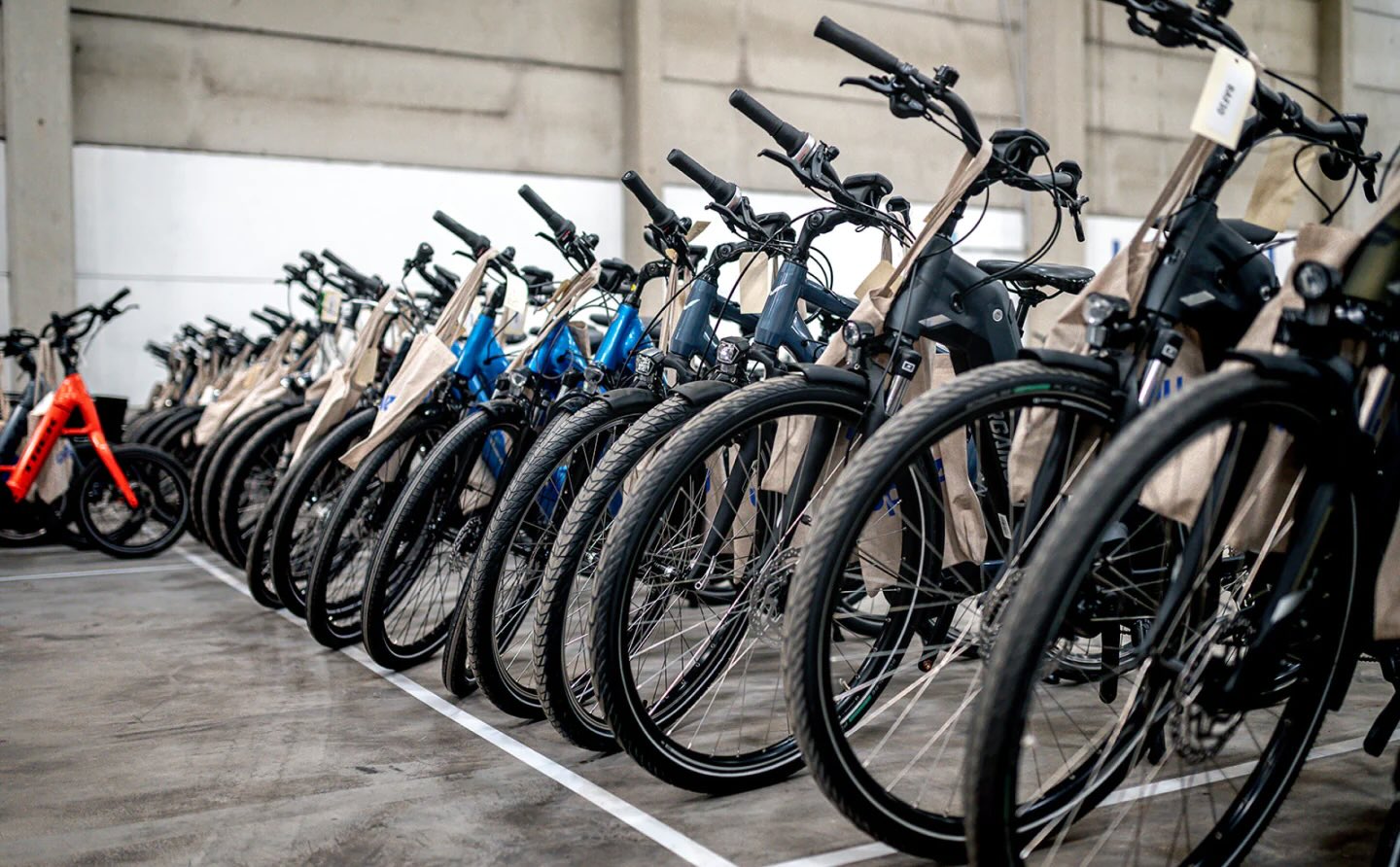
💡Upway makes it easy to find discounts of up to 60% on premium e-bike brands




|
Should the government be allowed to control how restaurants run their business? Click your choice to see results and speak your mind. |
 Never 👎
 The new tool for harmonizing mini-grid standards across Africa is a big step toward moving the world away from centralized energy while providing safe and reliable electricity to parts of Africa that presently lack energy access.
Developed and launched by the African Forum for Utility Regulators and GET.transform, the African Model Mini-Grid Regulations Tool provides a template that African nations and others can use to streamline their regulatory approaches to mini-grid adoption.
The tool will make it faster and easier for countries to set up the regulatory framework for mini-grids while also making sure that electrical systems across Africa are better harmonized.
"Mini-grids are such an important part of the energy transition in Africa," Perkins told ESI Africa. "They are a solution for providing clean, reliable, and affordable energy to millions of people across Africa who currently live without energy access."
Adding to the benefits of decentralized micro-grids, they are typically powered by cleaner, renewable energy like solar, which improves local air quality while also limiting planet-heating pollution.
"I think the important thing to realize about mini-grids is that they often are sources of clean energy," Perkins added.
If you want to become part of the energy-decentralization revolution, there is no need to wait for a massive overhaul of the national electric grid. Instead, you can get a jump start right now by installing solar panels on your home.
If you want to learn more about going solar, EnergySage makes it easy to compare quotes from vetted local installers, saving customers up to $10,000 in the process.

Join our free newsletter for weekly updates on the latest innovations improving our lives and shaping our future, and don't miss this cool list of easy ways to help yourself while helping the planet.
Cool Picks





