


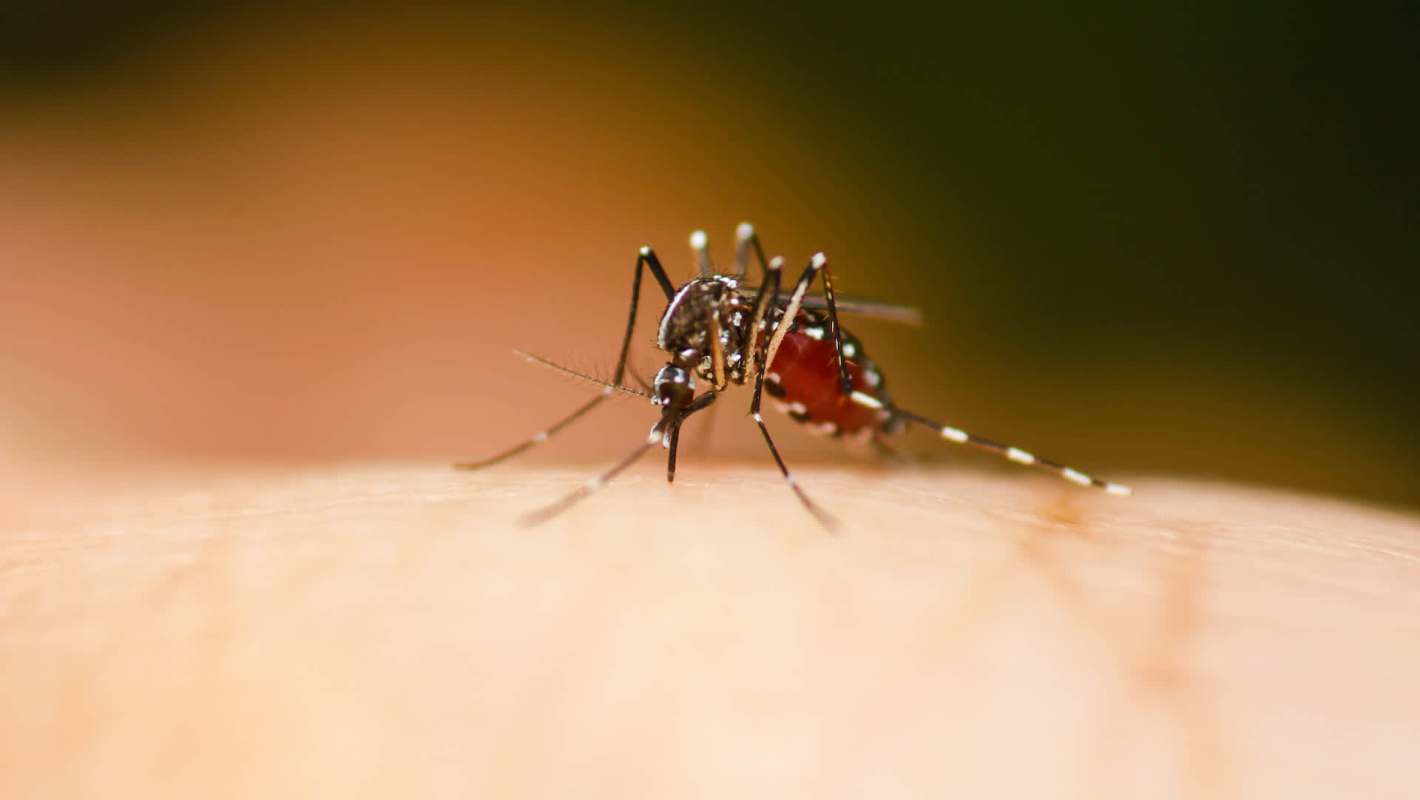
A single mosquito trapped in Nampa, Idaho, has put Canyon County officials on alert after testing confirmed the presence of an invasive species with a serious public health reputation.
As CBS2 reported, the discovery has led to increased surveillance in Canyon County as officials try to determine whether the mosquito was an isolated arrival or a sign that Aedes aegypti may be established locally.
What happened?
In a press release, Canyon County Mosquito Abatement District said the mosquito was found in Nampa during the district's regular adult monitoring program and was identified on July 31, 2026. It had been collected in a CO2-baited BG Sentinel Trap.
District staff first identified the specimen visually, and the release said four independent entomologists outside the area later confirmed it was Ae. aegypti. Jim Lunders, Director of Canyon County Mosquito Abatement District, said it was the second known detection in the state.
Aedes aegypti is an invasive species known to transmit several serious diseases in areas where those viruses are present.
Officials responded by increasing control efforts near the collection site. The district also placed species-specific traps in the surrounding area to check for any additional mosquitoes.
TCD Picks » Quince Spotlight
💡These best-sellers from Quince deliver affordable, sustainable luxury for all




Authorities have not yet determined whether the mosquito came from somewhere else or whether the species has become established in the area.
Why does it matter?
Public health agencies closely monitor Aedes aegypti because it is associated with the spread of viruses including dengue, Zika, chikungunya, and yellow fever.
Finding a single mosquito does not mean those illnesses are circulating in Idaho. But it does give local officials reason to increase monitoring and respond quickly if needed.
This kind of detection can also affect daily life in nearby communities. Residents may see more trapping and additional control measures around the detection area.
Routine mosquito trapping is intended to identify potential threats early, before they become more widespread and harder to control.
What's being done?
"The possibility of Ae. aegypti establishing reminds us of the importance of the public taking an active role in minimizing potential habitats around their home," Lunders said in the release.
Lunders suggested residents eliminate all sources of standing water like flowerpots, birdbaths, out-of-use pools, and gutters.
On a broader level, the Canyon County Mosquito Abatement District revealed it has expanded monitoring around the place where the mosquito was caught. Officials increased control work at nearby locations and set additional traps to see how broadly the mosquito may be distributed.
The added trapping is meant to answer a basic question of whether this was a lone insect or a sign of more in the area. The answer will help determine how aggressive future control efforts need to be.

Get TCD's free newsletters for easy tips, smart advice, and a chance to earn $5,000 toward home upgrades. To see more stories like this one, change your Google preferences here.






