


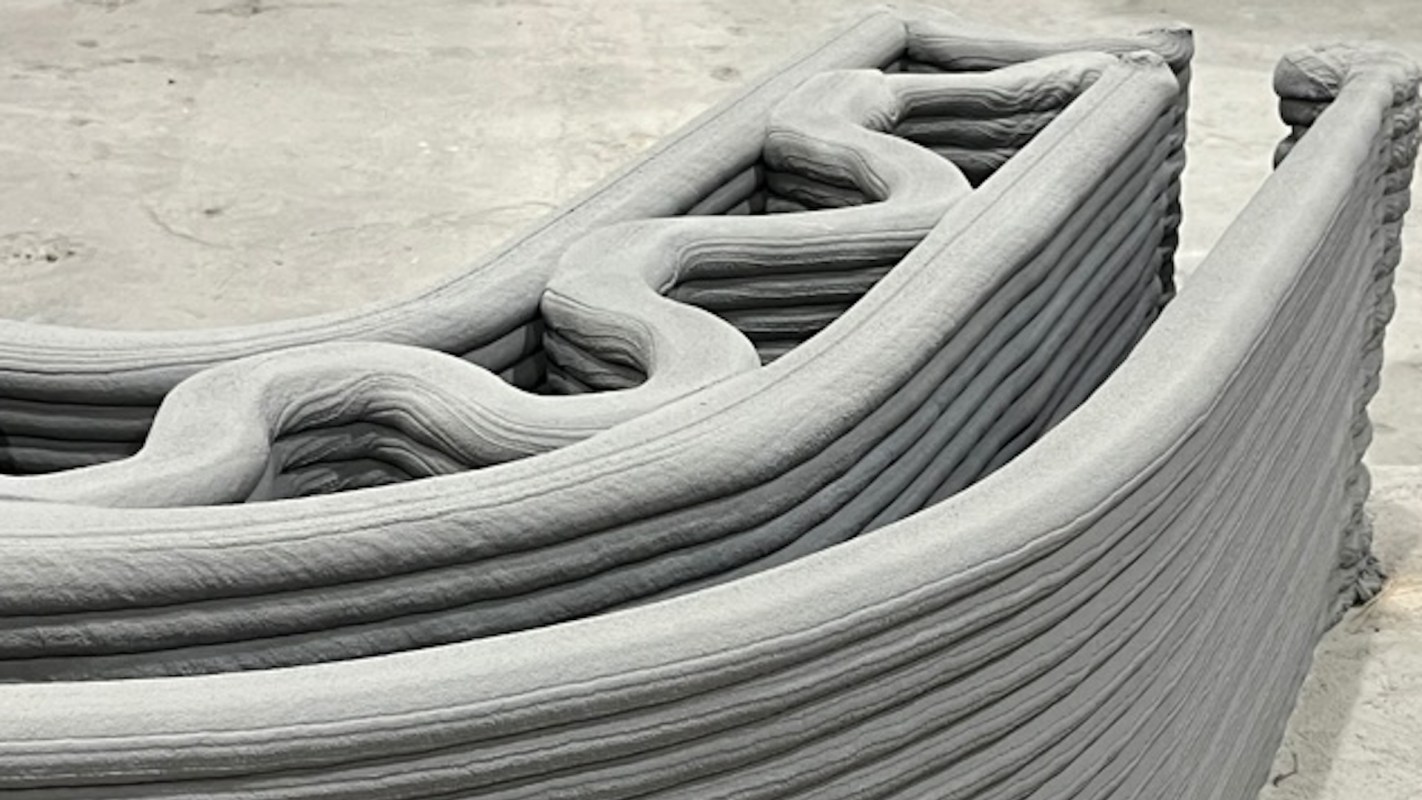
Constructing homes in the difficult weather conditions of Alaska is no easy task, but students at the University of Alaska Fairbanks (UAF) have helped develop an innovative solution to the building problem.
The UAF students helped in the research and engineering of a 3D-printed building in Nome, Alaska, according to Alaska's News Source, as part of the Nome3D-Printed Home Project. The printer utilized materials like silt, glacial till, and clay to develop an alternative concrete that was high-strength and freeze-thaw-resistant.
"It's more like a tiny crane that can print," Nima Farzadnia said of the machine, the X-Hab 3D's mobile, self-powered MX3DP 3D-printing system. The UAF also worked with other organizations, including the Xtreme Habitats Institute as prime contractor and Penn State University.
Using the technology, they created a 1,500-square-foot home in Nome under wind gusts up to 45 miles per hour and freezing temperatures, along with freezing rain and sleet. Farzadnia noted that Alaska has incredibly short construction seasons and a lack of skilled labor, not to mention the extreme weather that the state is known for.
The MX3DP 3D-printing system was encased in a plastic bubble heated by an Arctic Blast furnace to create a stable micro-environment, and was operated off-grid with its own power.
The 3D-printing capabilities of home construction under such harsh conditions have incredible implications for the housing shortages across the world. Nome Project manager Sven Bilen told the outlet, "[As] the technology develops, we fully expect that you should be able to print the walls in a matter of days."
An additional benefit is that it can utilize local materials, cutting down on the cost of resources and limiting the environmental damage of harvesting things like wood from around the world. The construction industry accounts for 38% of the world's pollution, per Science Direct, so finding alternatives like 3D printing can help reduce that impact.
The technology also has potential for future use on the moon, which has similarly barren conditions as the far reaches of Alaska. But the benefits to humans here on Earth are more immediate and well-served by the innovation spearheaded by enterprising students.
|
Would you live in a new home made by 3D printers?
Click your choice to see results and speak your mind. |
 Sign me up 👍
💰Get TCD's free newsletters for easy tips to save more, waste less, and make smarter choices — and earn up to $5,000 toward clean upgrades in TCD's exclusive Rewards Club.
Cool Picks





