


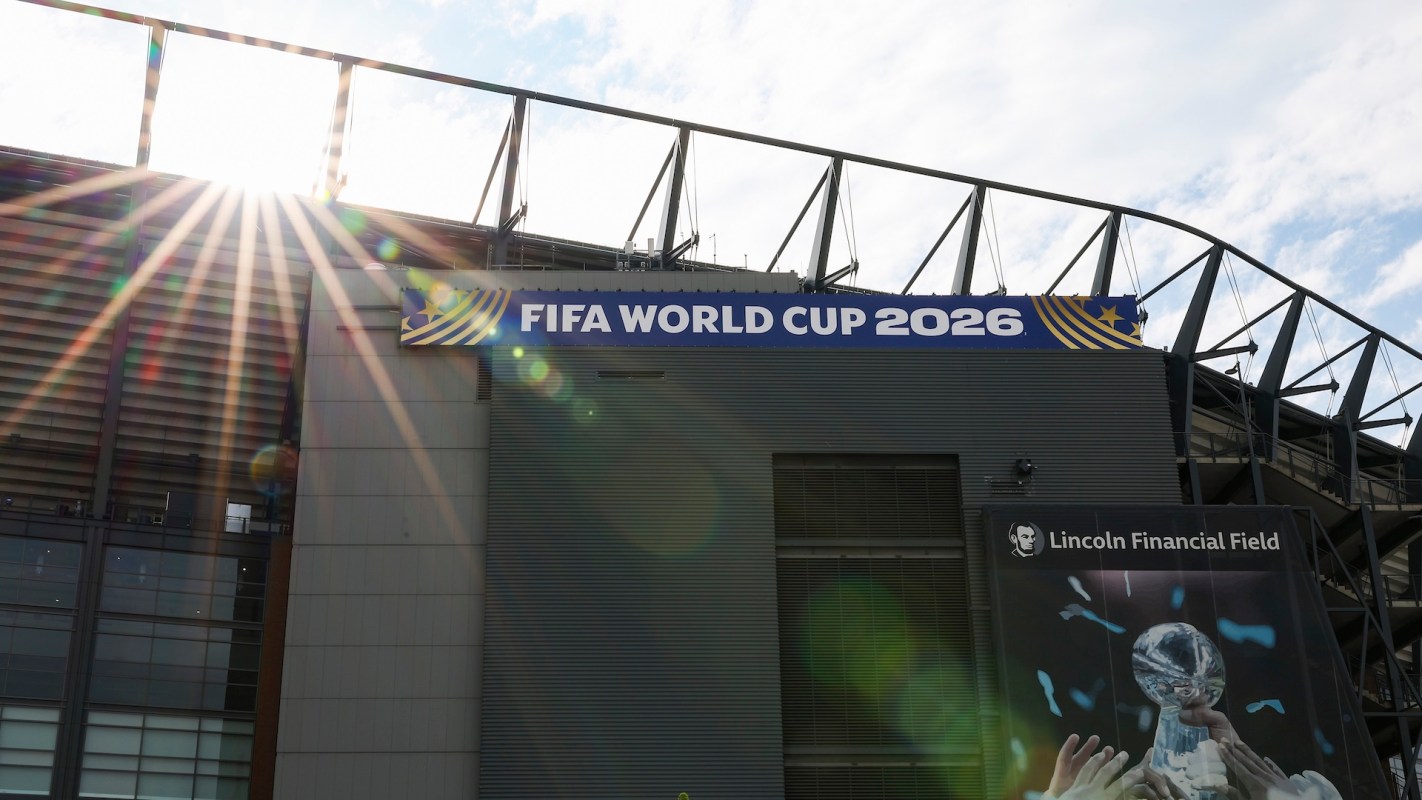
FIFA's approach to dangerous heat at the 2026 World Cup is drawing criticism after researchers warned that a significant share of matches across North America could be played in conditions that threaten both players and fans.
According to experts, the organization's heat protocols — including in-game hydration breaks and a high threshold for postponements — are not adequate for a hotter world.
What's happening?
According to Euronews, experts say the risk of extreme heat has risen sharply at several World Cup venues compared with 1994, the last time the men's tournament was hosted in North America.
Researchers estimated that about a quarter of matches are likely to be played above 26 degrees Celsius (78.8 degrees Fahrenheit) on the wet bulb globe temperature scale, which measures heat stress by factoring in temperature, humidity, wind, and sunlight.
Around five matches could reach 28 C (82.4 F) WBGT — the level at which FIFPRO, the global players union, recommends postponing play.
FIFA, by contrast, does not consider postponement unless the WBGT exceeds 32 C (89.6 F).
TCD Picks » Quince Spotlight
💡These best-sellers from Quince deliver affordable, sustainable luxury for all




That discrepancy is one reason a group of health, sports performance, and climate experts said FIFA's guidelines are "impossible to justify." It also said the organization's mandatory three-minute hydration breaks, introduced through its Heat Illness Mitigation and Management Task Force, are too short to significantly cool the body or replace lost fluids.
Some host sites appear especially vulnerable. Researchers identified Miami's open-air stadium as having a near-certain chance of exceeding 26 C WBGT. Dallas was found to have a near-certain chance of topping 28 C WBGT outdoors, raising concerns for fans around AT&T Stadium even though the venue itself is air-conditioned. Kansas City, Philadelphia, and MetLife Stadium in East Rutherford, New Jersey — the site of the final — were also flagged as high-risk locations.
Dr. Friederike Otto of Imperial College London said the results should serve as a "wake-up call," showing that rising global temperatures are affecting every part of society, including one of the world's largest sporting events.
Why is FIFA's heat plan concerning?
The central concern is safety.
WBGT is meant to reflect how heat affects the human body, not just what a thermometer shows. A hot, humid, sunny day with little wind can become dangerous much faster than a dry day with the same air temperature.
For elite athletes, that can lead to poor performance, dehydration, and a risk of heat illness. For fans in crowded stadiums or at outdoor watch parties, the risks can extend even further.
Experts warned that once conditions climb above 28 C WBGT, the threat of serious heat illness becomes much more severe — especially for older adults and people with underlying medical conditions. In extreme cases, heat stroke can be fatal.
The report also pointed to a broader reality: Since 1994, the planet has warmed significantly, and extreme heat has become both more common and more intense. Researchers noted that roughly half of all human-caused warming has occurred since the last men's World Cup in North America. In other words, this is not an isolated issue — it is part of a larger trend making summer events increasingly difficult to stage safely.
Critics also highlighted FIFA's sponsorship deal with oil giant Aramco, arguing that promoting the fossil fuels contributing to the changing climate conflicts with protecting player welfare.
What's being done about FIFA's heat plan?
FIFA has made some adjustments, including scheduling later kickoff times and requiring hydration breaks. But researchers and medical experts say those measures do not go far enough.
They are urging FIFA to adopt FIFPRO's more protective recommendations, including postponing matches at lower WBGT thresholds.

Get TCD's free newsletters for easy tips, smart advice, and a chance to earn $5,000 toward home upgrades. To see more stories like this one, change your Google preferences here.







