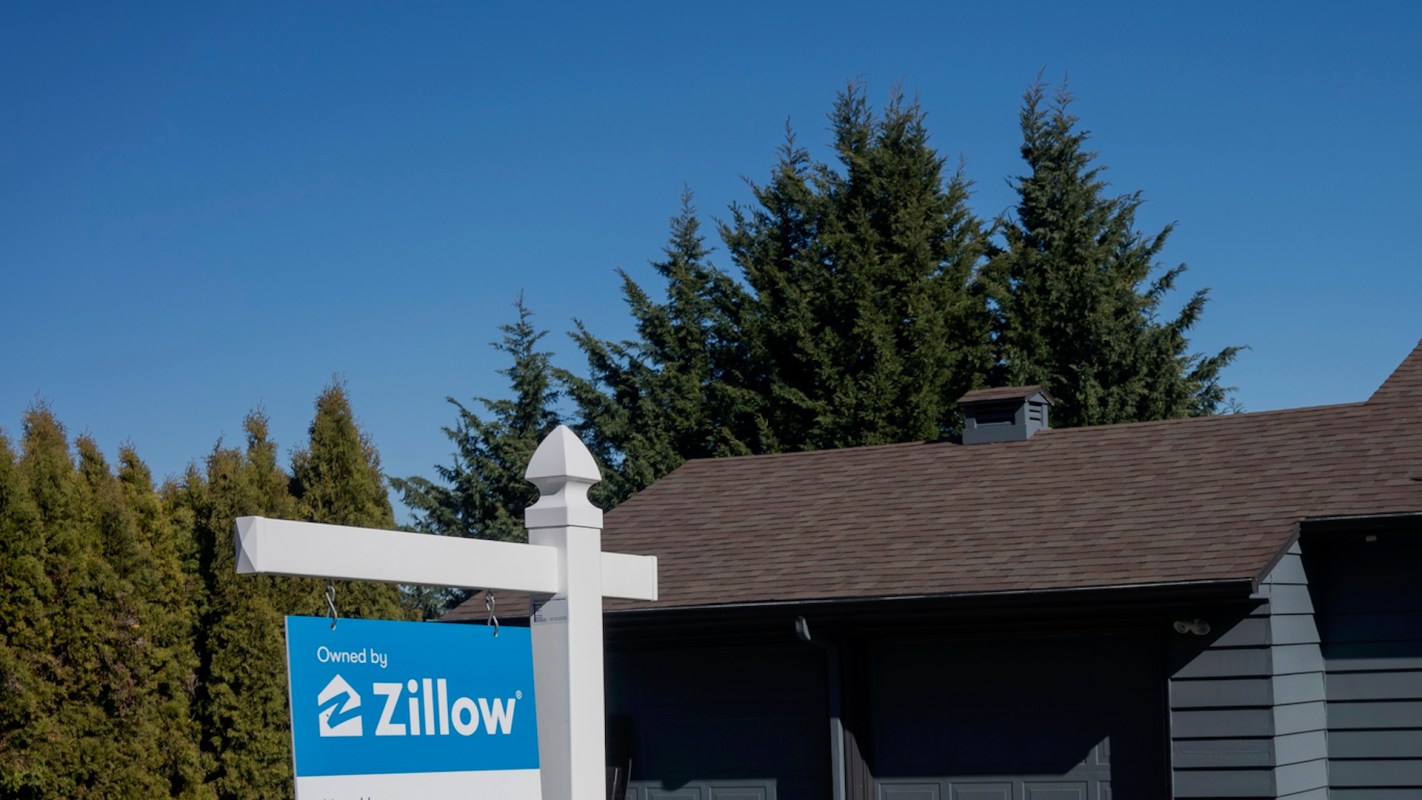
Finding a home is no longer just about finding the right square footage and neighborhood. Homebuyers have to consider natural disasters.
Unfortunately, Zillow's climate risk data may be inaccurate, and it impacted the sale of a home in Chappaqua, New York.
What's happening?
Andrew and Eri Uerkwitz are claiming that the flood risk data that accompanied their Zillow home listing is the cause of their delayed sale, according to HousingWire.
The Uerkwitzes listed their home in April 2025 for $1.15 million. The house sat on the market for months, despite the median days on the market for other homes in the area being only a week.
While there were multiple prospective buyers, they all pulled out after seeing the property's flood risk rating, which was rated "extreme" (nine out of 10). Zillow offers this rating by partnering with First Street Technology for flood risk data.
The house finally sold in mid-August for a $100,000 loss. The Uerkwitzes filed a lawsuit against Zillow and First Street Technology in the New York County Superior Court in June, claiming the flood risk caused it to be "stigmatized as materially unsellable at its actual market value," according to the complaint. The couple is seeking $500,000 in damages.
Perk up the winter blues with natural, hemp-derived gummies Camino's hemp-derived gummies naturally support balance and recovery without disrupting your routine, so you can enjoy reliable, consistent dosing without guesswork or habit-forming ingredients. Flavors like sparkling pear for social events and tropical-burst for recovery deliver a sophisticated, elevated taste experience — and orchard peach for balance offers everyday support for managing stress while staying clear-headed and elevated.
Learn more → |

Why is climate risk data important?
All properties on Zillow have a climate risk rating for fire, wind, heat, air pollution, and flood, and all prospective buyers can see them. However, only those with a paid First Street subscription can access the full climate report.
Compass CEO, Robert Reffkin, said, "The powerful real estate websites use these insights to empower their model of selling buyers to third-party agents. In the same way tabloids use negative headlines to attract readers, real estate websites use negative insights to attract buyers," he told his firm's Q3 2024 earnings class.
In the complaint, the homeowners said the assessment of a nine-out-of-10 rating is not accurate and contradicts FEMA flood zone maps.
"The property is not located in a FEMA flood zone, has never flooded, does not require flood insurance, and includes topographical and structural features that preclude a credible risk of flooding."
TCD Picks » Upway Spotlight
💡Upway makes it easy to find discounts of up to 60% on premium e-bike brands





|
Do you think your city has good air quality? Click your choice to see results and speak your mind. |
 Definitely 🥰
 Additionally, because climate disasters are occurring more frequently, many FEMA flood zone maps are outdated.
According to the NOAA's National Centers for Environmental Information's disaster analysis from 2024, there were 27 individual weather and climate disasters that caused at least $1 billion in damage in the U.S.
What's being done about climate risk data?
As consumers and business owners, we can take this risk data with a grain of salt and consult official weather data for our area.
We can also encourage companies to transition from dirty fuels to clean energy to reduce the frequency of these disasters in our areas and to prevent insurance premiums from continuing to increase.

Join TCD's exclusive Rewards Club to earn up to $5,000 toward clean upgrades that will help you save money and future-proof your home.
Cool Picks