


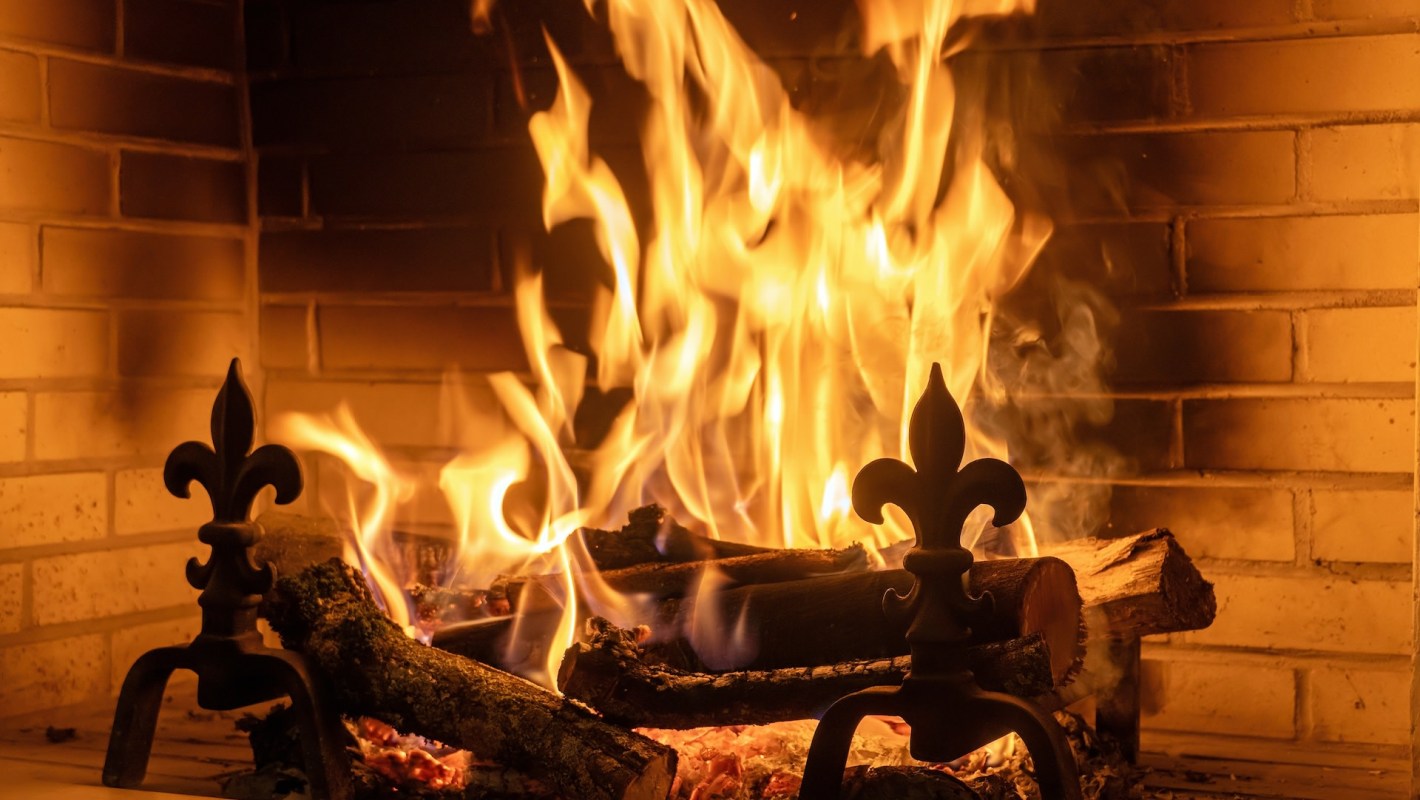
Evidence shows that wood-burning heaters contribute to pollution and exacerbate health problems, but many people are unaware of the dangers.
What's happening?
According to The Guardian, experts in Australia have growing concerns about the impact of wood fires on the planet and the population's health. The American Lung Association explains that burning wood creates particle pollution, carbon monoxide, nitrogen oxides, volatile organic compounds, and methane.
Arabella Daniel, a clean air advocate and Melbourne inner-city councillor, explained to The Guardian that people misunderstand the risks. They even believe wood heating is a better and more organic option.
In an article on The Conversation, a University of Technology Sydney academic team explained, "a wood-fired heater is like having a truck idling in your living room all day."
A 2024 study also found that wood-burning pollutants caused approximately 728 deaths in 2015 in Australia. They note that replacing just half of the systems could reduce associated pollution and related deaths by 42-50%.
Why are wood-burning heaters concerning?
Burning wood can cause adverse health effects, such as wheezing, coughing, asthma attacks, heart attacks, and death. The Environmental Protection Agency also reports that wood smoke can cause bronchitis, stroke, inflammation, and more problems.
Lisa Cunial, a psychologist living in New South Wales, says wood-burning in her community has caused her health issues. She explained, "Being quite a major regional city, it's a real problem," referring to her home city of Orange.
She went on: "Wood is very much part of the culture here. But for me it means I literally have to stay inside the house with air filters."
Beyond the health concerns, burning wood also harms the environment. The many particles and gases contribute to rising temperatures and damage ecosystems. The pollutants can contaminate nearby water, soil, and plants, and can also have a negative impact on animals.
Wood-burning also means clearing Australian forests. According to Greenpeace, Australia is the only developed nation on a list of 24 global deforestation fronts.
TCD Picks » Quince Spotlight
💡These best-sellers from Quince deliver affordable, sustainable luxury for all




|
Do you worry about the quality of the air inside your home?
Click your choice to see results and speak your mind. |
 Yes — often 😬
 Forests act as carbon storehouses, preventing the gases from entering the atmosphere. They're also home to countless species and biodiverse ecosystems, which help keep the planet healthy.
What can we do to reduce wood burning?
From chopping down trees to polluting neighborhoods, wood-burning threatens humans and the planet. Daniel told The Guardian that public education is crucial in reducing the damage.
She urges Australian officials to recognize wood-burning as a significant climate and health threat. Experts call for the government to prohibit wood heater installations and offer financial support to help people replace wood-burning heaters with cleaner options.
They recommend switching to low-emission, electric heaters, which can be more effective and affordable. Some even look like classic fireplaces with the crackling flames, so people can still enjoy the cozy vibe.

Join our free newsletter for easy tips to save more and waste less, and don't miss this cool list of easy ways to help yourself while helping the planet.
Cool Picks




