


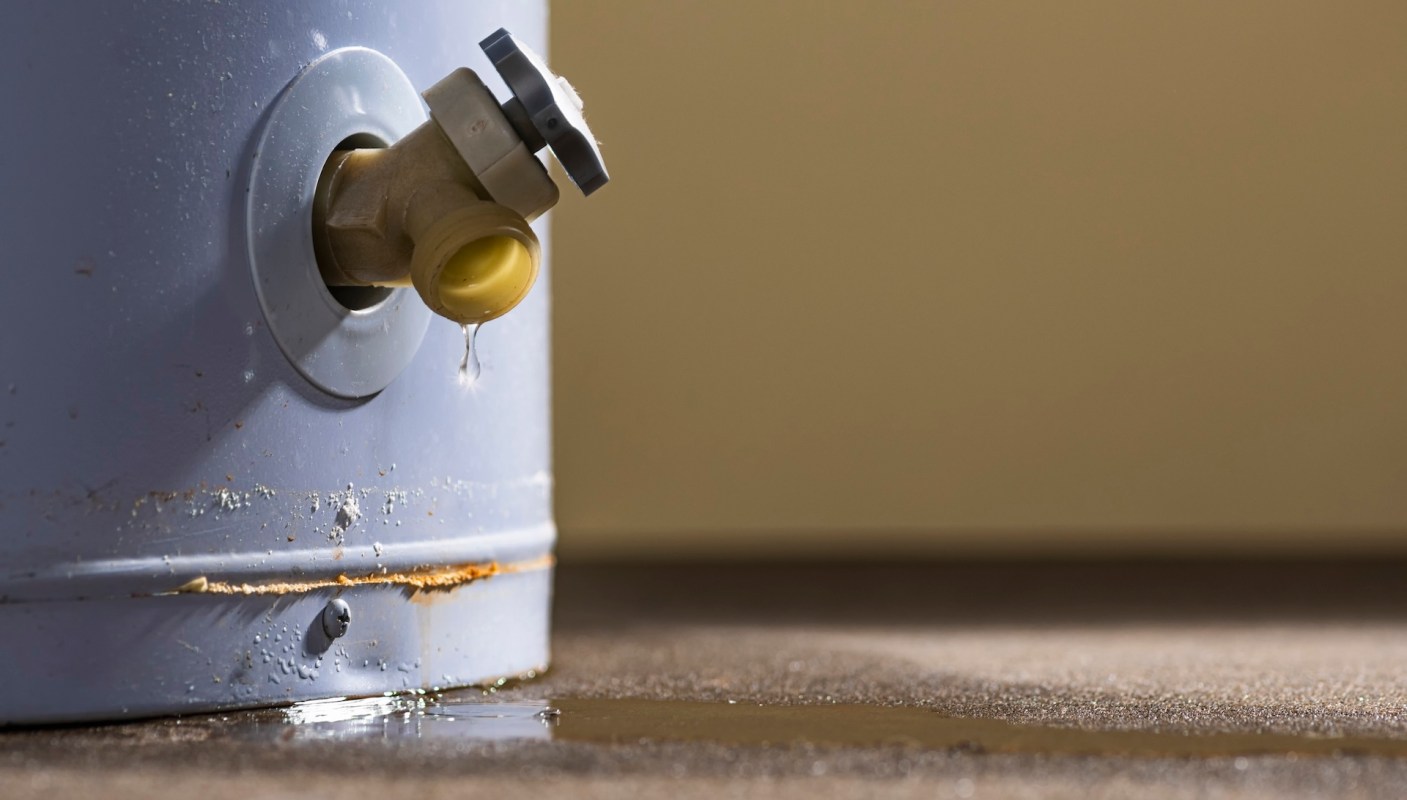
A water heater drip that looked like a simple missing-gasket problem turned into a full-blown plumbing debate after one homeowner tried a quick fix and still could not stop the leak.
In a post on r/Plumbing, the original poster asked, "What parts are these in the video, and what should I buy to fix this?"
Here's what to know
The homeowner said the cold-water supply line to the water heater was leaking even after a trip to a big-box store for a universal 3/4-inch gasket.
After taking the connection apart, the poster found what looked like a cap with no rubber gasket inside, but adding the new gasket did not stop the drip.
(Click here if the embedded video does not appear.)
Replies suggested the fitting was not the kind of connection the homeowner thought it was.
TCD Picks » Quince Spotlight
💡These best-sellers from Quince deliver affordable, sustainable luxury for all




One commenter wrote, "That's a stainless steel crimp sleeve that can't be twisted" and warned that pulling the joint apart may have damaged it.
The same commenter said re-crimping it would require "the proper tool that costs over 100."
The discussion also expanded beyond the immediate leak. Commenters said the cold-water line into the heater should include a shut-off valve, and the thread also turned into an argument over whether PEX should connect directly at the top of the tank or transition from copper first.
More background
Water heater leaks can get expensive fast. Even a slow drip can waste water, drive up utility bills, and damage floors or walls if it goes unnoticed long enough.
The exchange showed how important it is to identify the right fitting before buying parts. Advice split over the easiest DIY route.
One commenter described a SharkBite-style water heater hose as the "quickest cheapest way" for someone without tools or experience.
But another warned, "Please don't use sharkbites — I've seen too many of them fail over the years causing thousands of dollars in damage."
Other Redditors noted that code can vary by location and by whether the water heater is electric. That means the "right" answer online may not always be the right one for a specific home.
What can be done?
The first step is to determine whether the leak is coming from a threaded connection, a flexible connector, or a crimped PEX joint before buying replacement parts.
Getting the right fix the first time can mean spending less than $50 instead of ending up with incorrect parts plus a specialty tool that costs more than $100.
It can also reduce the risk of a temporary repair failing later and causing far more expensive water damage.
If the connection involves crimped PEX and the proper tools are not already on hand, calling a licensed plumber may be the cheaper move overall. A professional can also confirm whether a shut-off valve is required and whether the connection method meets local code.
Inspecting water heater supply lines early can help catch a drip before it turns into a larger leak, protecting both the water bill and the home itself.

Get TCD's free newsletters for easy tips, smart advice, and a chance to earn $5,000 toward home upgrades. To see more stories like this one, change your Google preferences here.







