


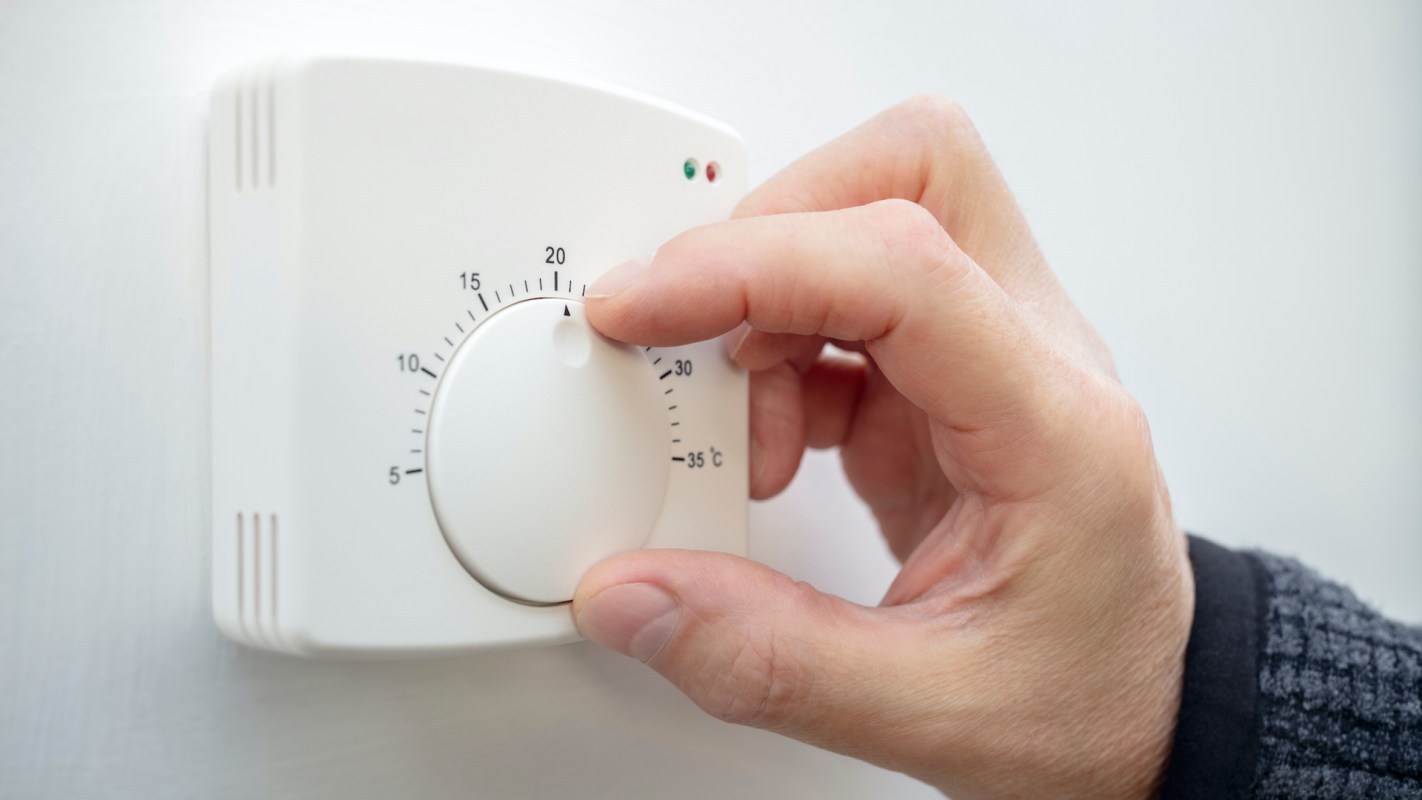
Amid a punishing heat wave and a growing political fight over air conditioning, Newsweek reports that a U.S. Department of Energy energy-saving tip that once suggested keeping indoor temperatures around 75 to 78 degrees is no longer available on the agency's website.
That missing guidance echoed a recent message from New York City Mayor Zohran Mamdani, who asked residents to help ease pressure on the electrical grid during extreme heat.
What's happening?
Archived versions of the Department of Energy's "Home Cooling Systems" page indicate that it advised homeowners to "start with an indoor temperature between 75-78°F during the day," Newsweek noted.
The publication added that the same page also told people to keep thermostats "as high as comfortable" and to increase the setting by 7 degrees when the home was unoccupied.
When checked by Newsweek, the DOE link showed a "Page not found" notice. The agency had not publicly said whether the page was updated, moved, or removed, and there is still no public evidence connecting its disappearance to Mamdani's comments.
Mamdani's appeal came during a severe heat wave, when he asked New Yorkers to conserve electricity, Newsweek reported.
TCD Picks » Quince Spotlight
💡These best-sellers from Quince deliver affordable, sustainable luxury for all




"Set your AC to 78 degrees, turn off lights/electronics you're not using, and unplug what you can," he said at the time, while adding that the city was also dimming lights and powering down non-essential equipment.
Several Republican officials, including Ted Cruz, then mocked the suggestion, even though, as Newsweek noted, similar calls to save energy have also been made elsewhere, including in Texas.
Why does it matter?
The timing is significant because, as Newsweek noted, the National Weather Service had issued Extreme Heat Warnings for 26 states and Washington, D.C., with some forecast heat index values climbing to 115 degrees.
In that kind of weather, grid strain and power outages can become life-threatening, especially for older adults, young children, and people with underlying health conditions.
Even if the underlying recommendation has not changed, losing simple, easy-to-find efficiency guidance can add confusion during a heat emergency.
What can I do?
The first priority is keeping your home at a temperature that is safe for your health. For people who can do so comfortably, though, raising the thermostat a bit can cut energy use and reduce peak demand.
Newsweek said the missing DOE page reportedly combined its 75-78 degree advice with other basic steps, such as weatherizing the home, using window coverings to keep out heat, maintaining air conditioners, and relying on programmable thermostats.
Those kinds of measures can help a home stay cooler without forcing the cooling system to work as hard.
Mamdani's wider message also urged people to reduce waste by switching off unused lights and electronics and unplugging devices when possible.
Small actions like that will not resolve a grid crisis on their own, but they can reduce unnecessary demand while also helping households save money.
Ultimately, this isn't about a "culture war," but doing what is safe and best for the grid. While politicians can try to score points by mocking residents who might sacrifice a bit of comfort, these are the sort of steps that can help ward off grid outages.

Get TCD's free newsletters for easy tips, smart advice, and a chance to earn $5,000 toward home upgrades. To see more stories like this one, change your Google preferences here.






