


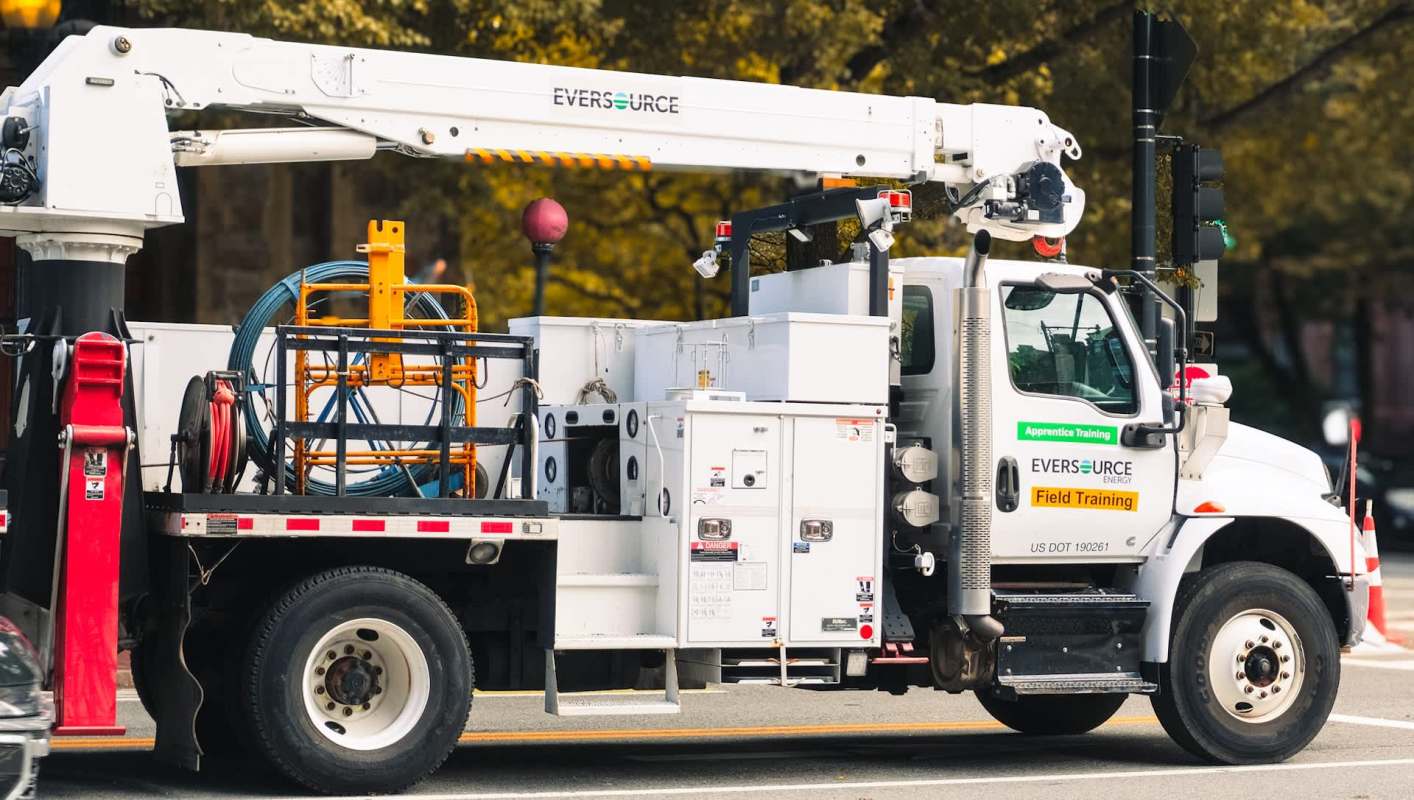
Massachusetts residents may associate blackouts with thunder and high winds, but utilities say intense heat can threaten electric service even when the forecast is clear.
With a stretch of hot weather moving through Massachusetts, Eversource is cautioning customers that heavy summertime electricity use can put added stress on the grid.
What's happening?
Boston 25 News said Eversource is warning Massachusetts customers that heat waves alone can push the electric system toward outages by sharply increasing demand.
Air conditioners tend to run harder and longer during hot spells, especially when many households and businesses are trying to cool indoor spaces at the same time. Utilities often prepare for storms as a familiar outage threat, but prolonged heat can create its own pressure on wires, transformers, and overall grid performance.
The company said it keeps crews available at all hours and relies on grid-monitoring technology to watch for problems. Eversource also advises customers to quickly report any loss of service, sign up for text or email notifications, and follow outage maps for the latest information.
As Eversource spokesperson Olessa Stepanova said, "When temps climb, electricity use goes up, air conditioners are working overtime and that's when we typically see some of the highest demand." She added, "Extreme heat can also stress the electric system because everyone is using electricity at the same exact time."
TCD Picks » Quince Spotlight
💡These best-sellers from Quince deliver affordable, sustainable luxury for all




Why does it matter?
A heat-related power outage can quickly become more than an inconvenience. When electricity cuts out during dangerous temperatures, homes lose air conditioning, refrigerated food can spoil, medical devices may be affected, and families may need to leave home to find a safe place to cool down.
Whether the outage is caused by a storm or by surging demand during a heat wave, the result can be the same: reduced public safety, strained emergency services, and lost economic activity.
This kind of strain is especially risky for older adults, young children, and anyone with health conditions that make overheating more dangerous. When indoor temperatures become unsafe, a prolonged outage can turn into a serious public health issue.
What can I do?
To help ease demand during the busiest parts of the day, Eversource recommends cutting back on cooling use where possible. That can include safely setting thermostats a bit higher and keeping blinds or curtains shut during the hottest hours.
If an outage happens, customers are encouraged to alert the utility right away instead of assuming the problem has already been reported. Eversource also says signing up for service alerts and checking outage maps can make it easier to track updates.
When a home no longer stays at a safe temperature, residents may need to seek out a cooling center. Eversource said places such as libraries, community centers, and municipal buildings can provide safer indoor relief from the heat.

Get TCD's free newsletters for easy tips, smart advice, and a chance to earn $5,000 toward home upgrades. To see more stories like this one, change your Google preferences here.






