


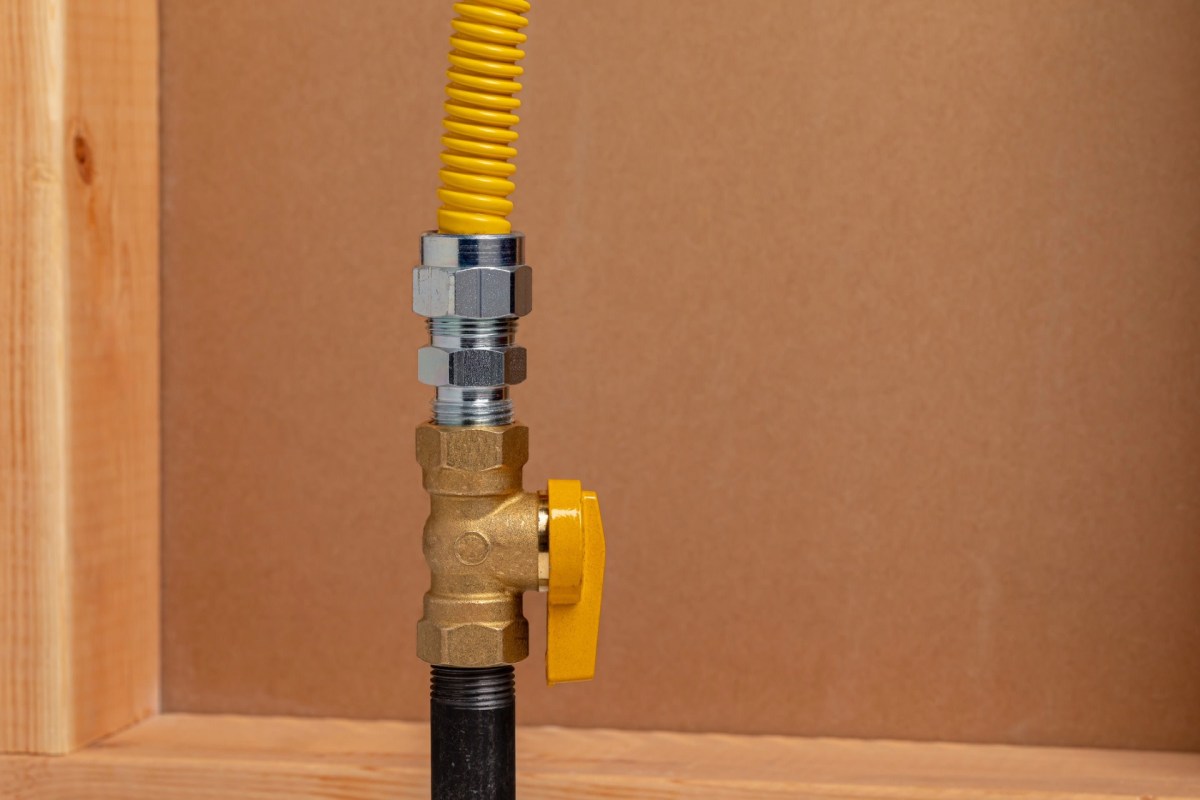
Instead of getting expert help to fix an unsafe heating unit, one unlucky renter got their landlord's DIY special, prompting them to seek advice on Reddit.
"Is this safe at all?" they wrote on the subreddit r/hvacadvice alongside a photo of the setup in question. "The gas co. wouldn't turn gas back on to central heat [because] a flex pipe went into the unit. Landlord 'fixed' it himself with a new flex pipe still going into the unit."
"I understand the rubbing risk, but someone mentioned explosions on another sub and now I'm completely freaked out," they added. "Is this an immediate danger? We do have a gas detector near it in the meantime. But is there some risk of explosion?"

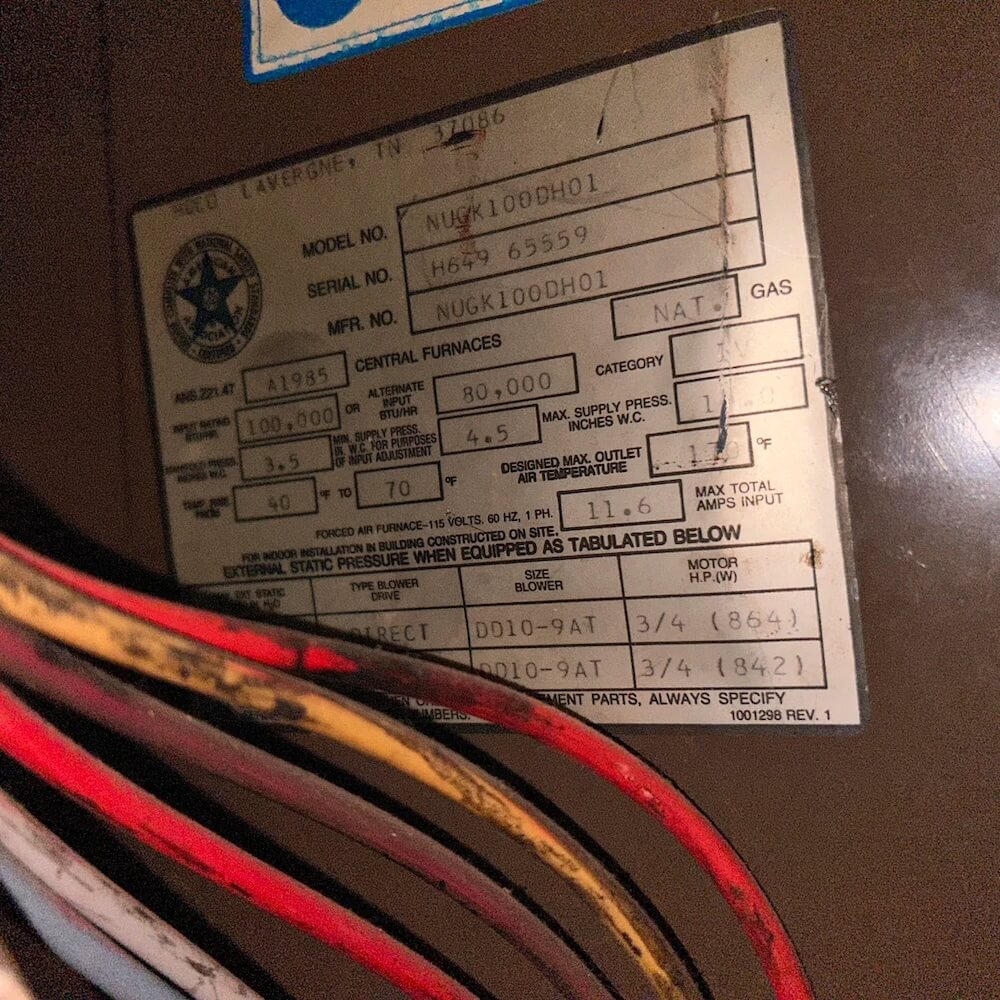
Commenters quickly chimed in, debating just how safe or unsafe the setup might be.
One person summed it up concisely. "Safe? Probably, assuming he tightened it properly. It's definitely not allowed though," they wrote.
"Also he did not listen to the gas company," they pointed out. "Idk the legality but I would assume he can get in trouble for knowingly turning it back on without fixing it."
Another commenter explained that it is generally against code to have a flexible pipe directly entering a fixed gas appliance. Instead, it's almost always required to install several inches of hard pipe on the outside of the appliance that can connect to a flex pipe.
"Given they turned off the gas citing the flexible gas line, odds are what your landlord did is still not allowed by your utility provider," one Redditor said.
Find the best HVAC solution to heat and cool your home more efficiently Mitsubishi Electric’s efficient heating and cooling HVAC solutions can help you stay comfortable no matter the weather or region. You can even regulate temperatures in each room with individually controlled all-electric heat pump systems. With an energy-efficient, all-climate system from Mitsubishi, you can reduce the amount of energy needed to heat and cool your home, receive up to $2,000 in tax credits, and get peace of mind knowing you’re choosing rigorously tested, high-quality products. |

"Regardless, I would get a CO detector with that old a** furnace," one person advised.
Rather than worry about potential explosions or gas leaks, many homeowners instead upgrade to heat pumps, like the ducted and ductless mini-split systems Mitsubishi Electric has made famous, and heat pump water heaters, as popularized by brands like GE and Cala.
Not only are they far safer for residents and tenants, as they don't burn gas and therefore don't pose health and safety risks, but they are also far more cost-efficient by moving heat around instead of working as hard to create it, along with also serving to work in reverse and provide both heating and cooling.
Considering that home heating and cooling plus hot water heating combine to make up roughly 70% of the average American's monthly energy bill, these savings can really add up over time.
Even better, upgrading to a heat pump or heat pump water heater is an excellent way to slash your home's pollution and overall carbon footprint.
And while it can be overwhelming to find a trusted, affordable local installer, Mitsubishi Electric's website helps to make it easy to connect with installers who are certified by the manufacturer, so you can know you're getting a state-of-the-art heat pump system from an established brand and installed by someone that brand certifies as properly trained to do it.
That sort of project used to be a whole lot harder to commission with the same level of confidence, so it's great step in the right direction for the industry in general to provide that additional peace of mind.
|
Do you worry about having toxic forever chemicals in your home?
Click your choice to see results and speak your mind. |
 Majorly 😥
Join our free newsletter for easy tips to save more and waste less, and don't miss this cool list of easy ways to help yourself while helping the planet.
Cool Picks






