


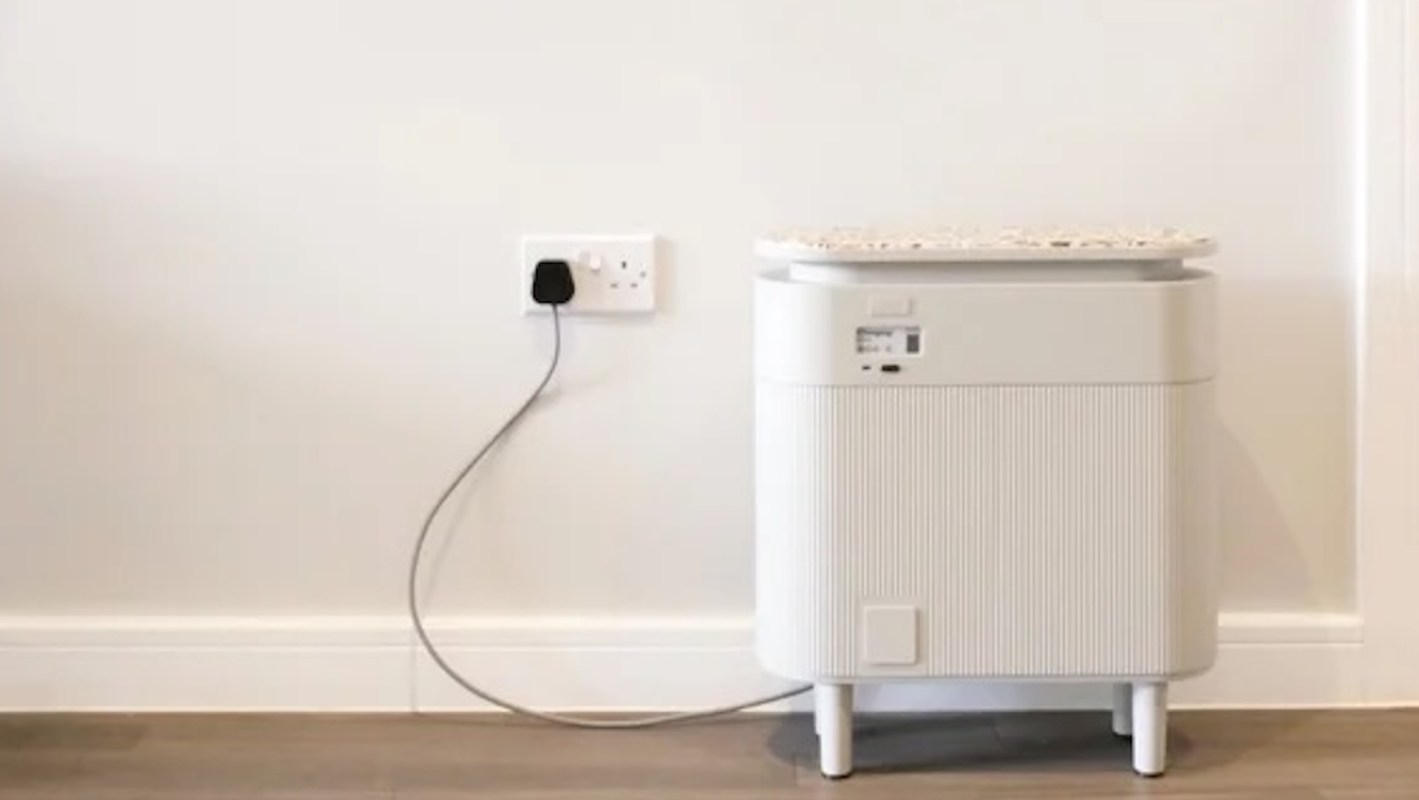
Some British households may soon be offered free plug-in batteries, giving them a way to bank low-cost electricity and use it later to bring down their energy bills, as The i Paper reported.
Because the idea is geared toward lower-income homes and would not require major changes to a property, it could widen access to off-peak electricity savings.
What's happening?
The U.K. Department for Energy Security and Net Zero, also known as DESNZ, has been developing a plan to purchase plug-in batteries in bulk and hand them out to lower-income households, according to The i Paper.
The devices, which plug into a standard socket, are portable and roughly the size of a small suitcase. Households could charge the batteries when electricity is cheaper, like during the off-peak period on a time-of-use tariff, and then draw on that stored power later after prices increase.
In practice, that means less reliance on higher-priced electricity from the grid during the busiest parts of the day.
The batteries are also much cheaper than traditional home battery systems because they do not require rewiring or installation labor. The i Paper reported that some models sell for about £500 (about $664), and clean energy nonprofit Regen said some units may recoup their cost in about 30 months.
TCD Picks » Quince Spotlight
💡These best-sellers from Quince deliver affordable, sustainable luxury for all




The proposal reportedly emerged from a summer policy "sprint" run by the department and innovation charity Nesta to find quicker ways to cut household energy costs.
Officials also appear interested in batteries, with one government source describing them to The i Paper as "attractive" because "they're so easy to deploy."
How could this help people?
Energy bills remain a major source of financial strain for households, especially lower-income families. A cheaper battery that is easier to install could give more people access to the kind of savings that have largely been limited to homeowners who can afford rooftop solar panels or hardwired battery systems.
If the plan moves forward, it could help households shift some of their electricity use away from the most expensive times of day.
Making it easier to store electricity during low-demand periods can help the grid make better use of cleaner energy sources while easing pressure during peak hours.
The i Paper clarified that plug-in batteries, like plug-in solar products, are not yet permitted in Great Britain because current wiring rules don't account for devices that send electricity back into household circuits.
What's being done?
The government remains in the evidence-gathering stage. The outlet said that DESNZ has spoken with the Crown Commercial Agency, which handles government procurement, about buying the batteries in bulk.
The i Paper also reported that GB Energy, the publicly owned energy investment company, is a potential partner. Before plug-in batteries could be cleared for home use, the department would need to complete a safety review and revise the existing regulations.
The Warm Homes Plan has previously been expected to target households with total incomes of about £35,000 (about $46,511) or less, and that could be replicated here, the outlet noted.
At present, the government's more immediate focus is plug-in solar, per The i Paper.
"We've cut VAT on electricity to give families breathing space," a DESNZ spokesperson told the outlet. "The Energy Secretary's focus is working to bring bills down for good."

Get TCD's free newsletters for easy tips, smart advice, and a chance to earn $5,000 toward home upgrades. To see more stories like this one, change your Google preferences here.






