A regulatory change in the United Kingdom could soon make solar power far more accessible to renters and flat owners.
What happened?
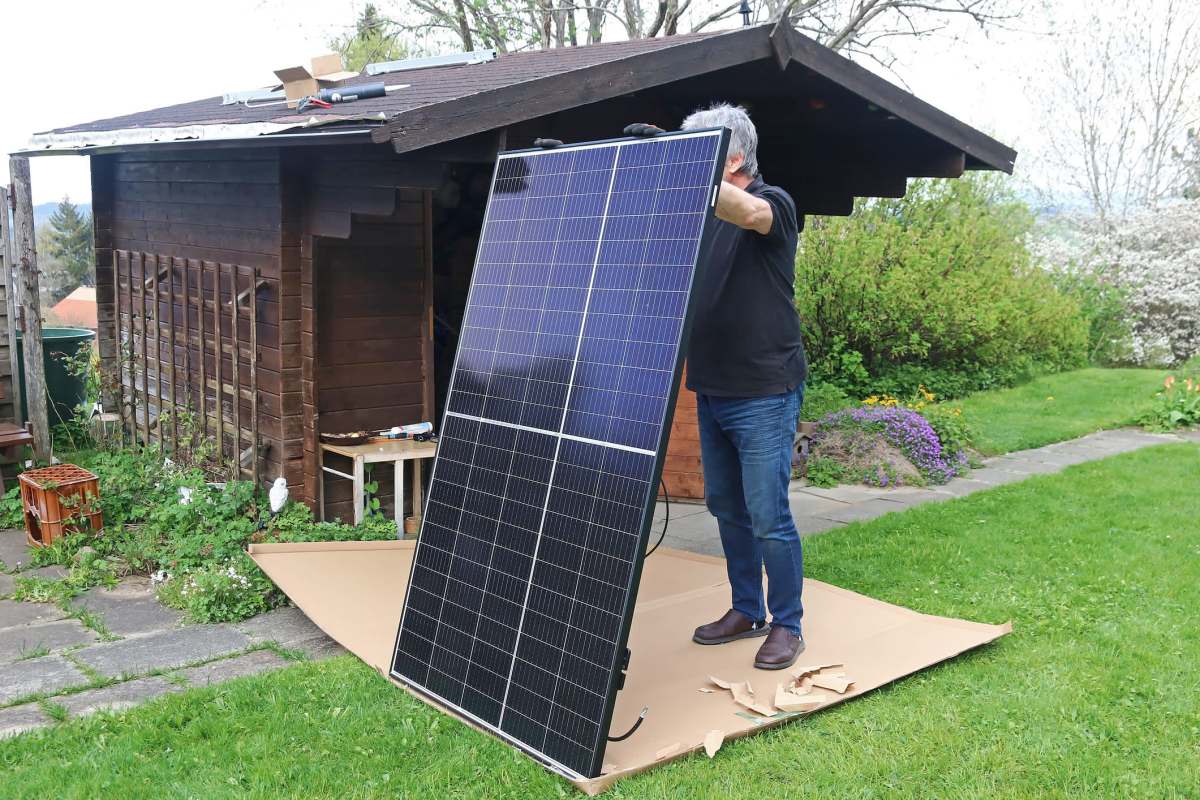
From Aug. 27, people in the U.K. will be able to purchase plug-in solar panels made for balconies, terraces, and other small outdoor spaces.
Plug-in "balcony solar panels" are already common in parts of Europe, especially in Germany and Spain, and the U.K. is now preparing to open that market to British households. According to the Guardian, legislation passed last week will let major retailers begin selling the systems later this summer.
Unlike traditional rooftop solar systems, these smaller setups do not require professional installation. Instead, they plug into a regular outlet. Retailers, including Currys, B&Q, and Asda, are expected to offer the systems, which the Guardian expects to retail for at least £400 ($533) and cut annual household energy bills by about £70 to £110 ($93 to $147).
Why does it matter?
The new rule could open the door to clean energy for people who do not own their homes or cannot install rooftop panels.
These systems are relatively small — the Guardian said they usually have a capacity of around 800 watts, roughly one-fifth the size of a typical residential rooftop setup — so they are not meant to power an entire home on their own. Still, they can reduce demand on the grid, cut pollution tied to electricity generation, and help families chip away at utility costs.
As the Guardian reported, households have been flocking to green home upgrades as the Iran war pushes up global energy prices. Last year alone, the U.K. completed a record 269,000 solar installations — more than a third above the previous year, or about one new rooftop solar installation every two minutes.
Rob Hallifax, a co-founder of Windfall Energy, called the law a "massive win for consumer energy independence and a huge leap forward for anyone who has previously been locked out of the energy transition."
Save $10,000 on solar panels without even sharing your phone number Want to go solar but not sure who to trust? EnergySage has your back with free and transparent quotes from fully vetted providers that can help you save as much as $10k on installation. To get started, just answer a few questions about your home — no phone number required. Within a day or two, EnergySage will email you the best local options for your needs, and their expert advisers can help you compare quotes and pick a winner. |

What's being done?
The government has already held talks with major retailers including Screwfix, Wickes, and Amazon about sales guidelines, and industry groups are working on safety and reliability standards before the products reach consumers. The Guardian noted that savings may take four to seven years to cover the upfront cost, and some residents may need permission from a landlord or freeholder to install panels.
The policy may also clear a path toward plug-in batteries. Adding battery storage to a solar setup can protect your home during outages, save money on energy, and go off-grid. It can also store extra daytime power for use later, when electricity demand is higher and the sun isn't shining.
Going solar is still one of the best ways to save money on home energy, and this new law makes it accessible to even more residents. Use EnergySage to explore free tools to get quick solar installation estimates and compare quotes on top of information about home battery storage options.
If rooftop solar is available where you live, EnergySage's free services can also make comparison shopping much easier. With EnergySage's help, the average person can save up to $10,000 on solar purchases and installations. Meanwhile, EnergySage's solar map shows the average cost of a home solar panel system on a state-by-state level, along with details on solar panel incentives for each state. Together, these resources can help readers get the best price for rooftop solar panels and access available incentives.
More From EnergySage
💡Go deep on the latest news and trends shaping the residential solar landscape
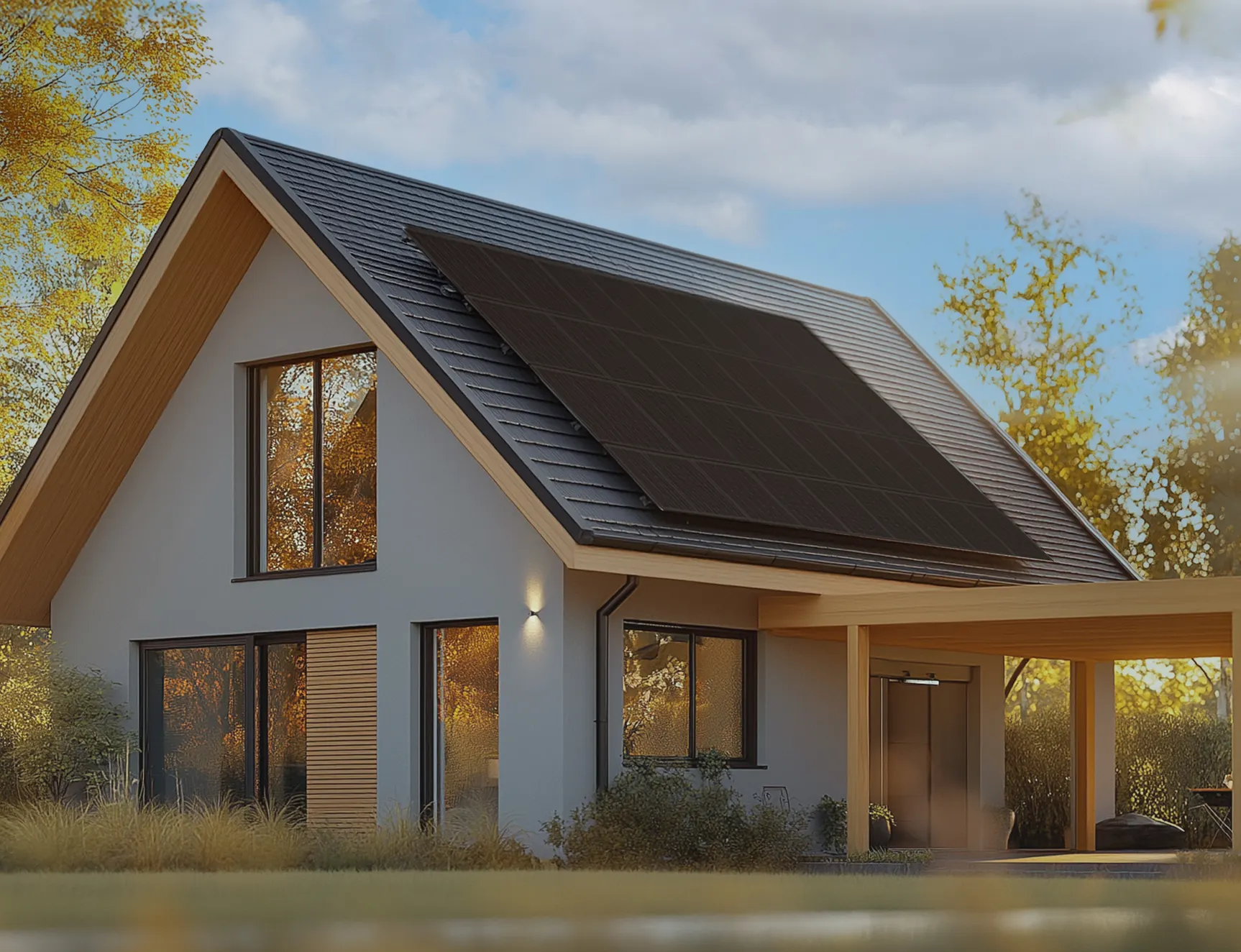
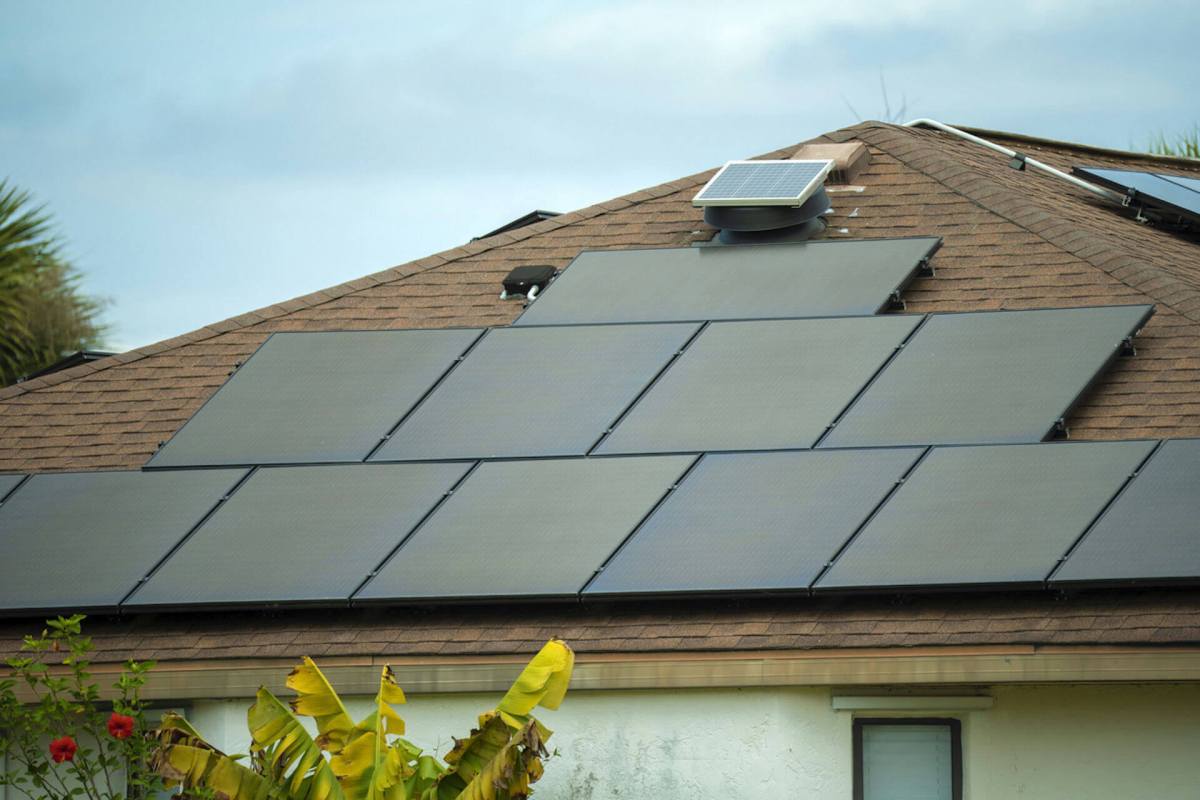
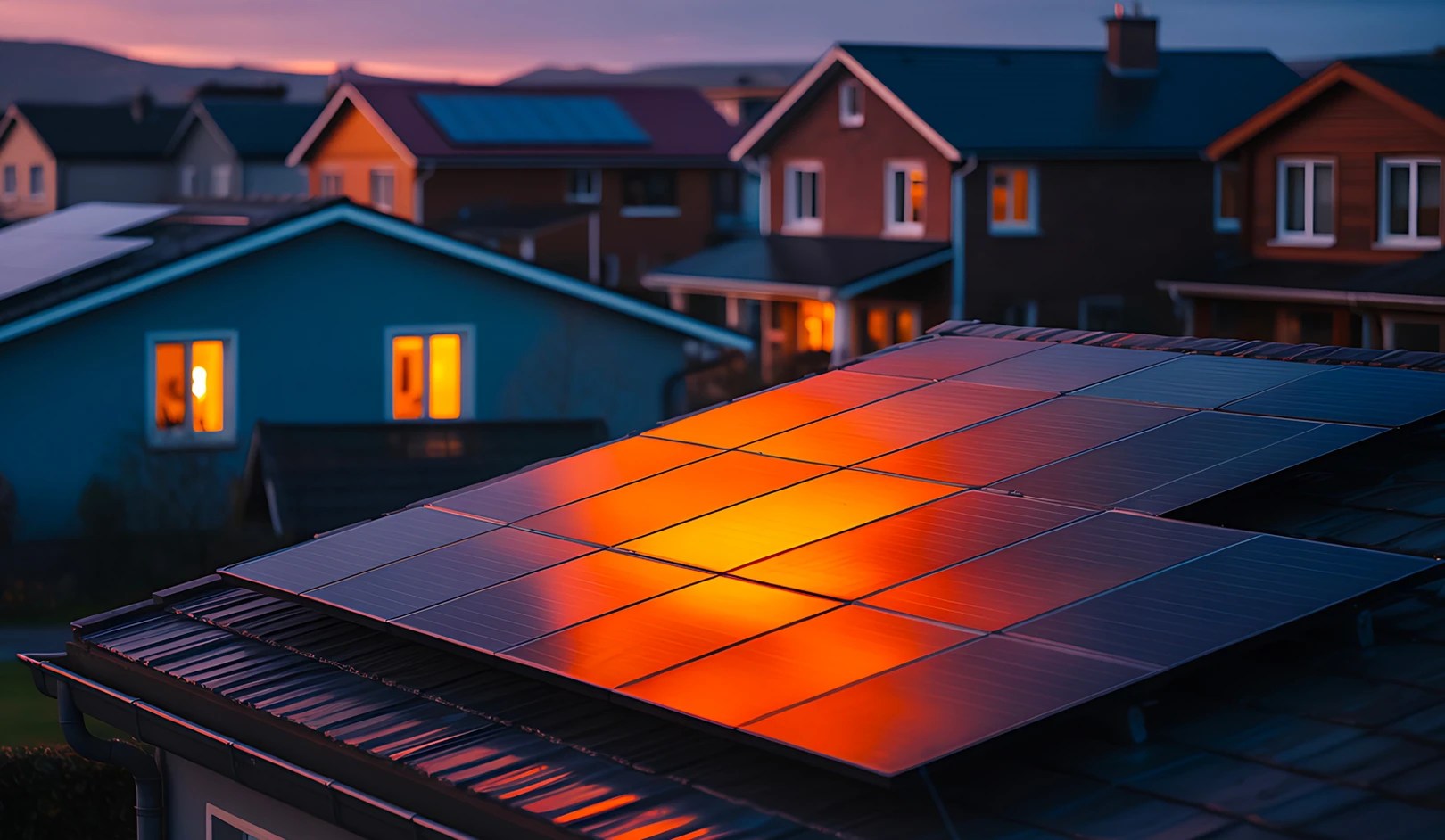

Chris Hewett, the chief executive of Solar Energy UK, said, per the Guardian, the change could bring "cheap, clean power to households that have not been able to access these benefits before." Hallifax added: "For renters, flat owners and anyone on a budget, this opens up clean energy in a way we haven't seen before."

Get TCD's free newsletters for easy tips, smart advice, and a chance to earn $5,000 toward home upgrades. To see more stories like this one, change your Google preferences here.