


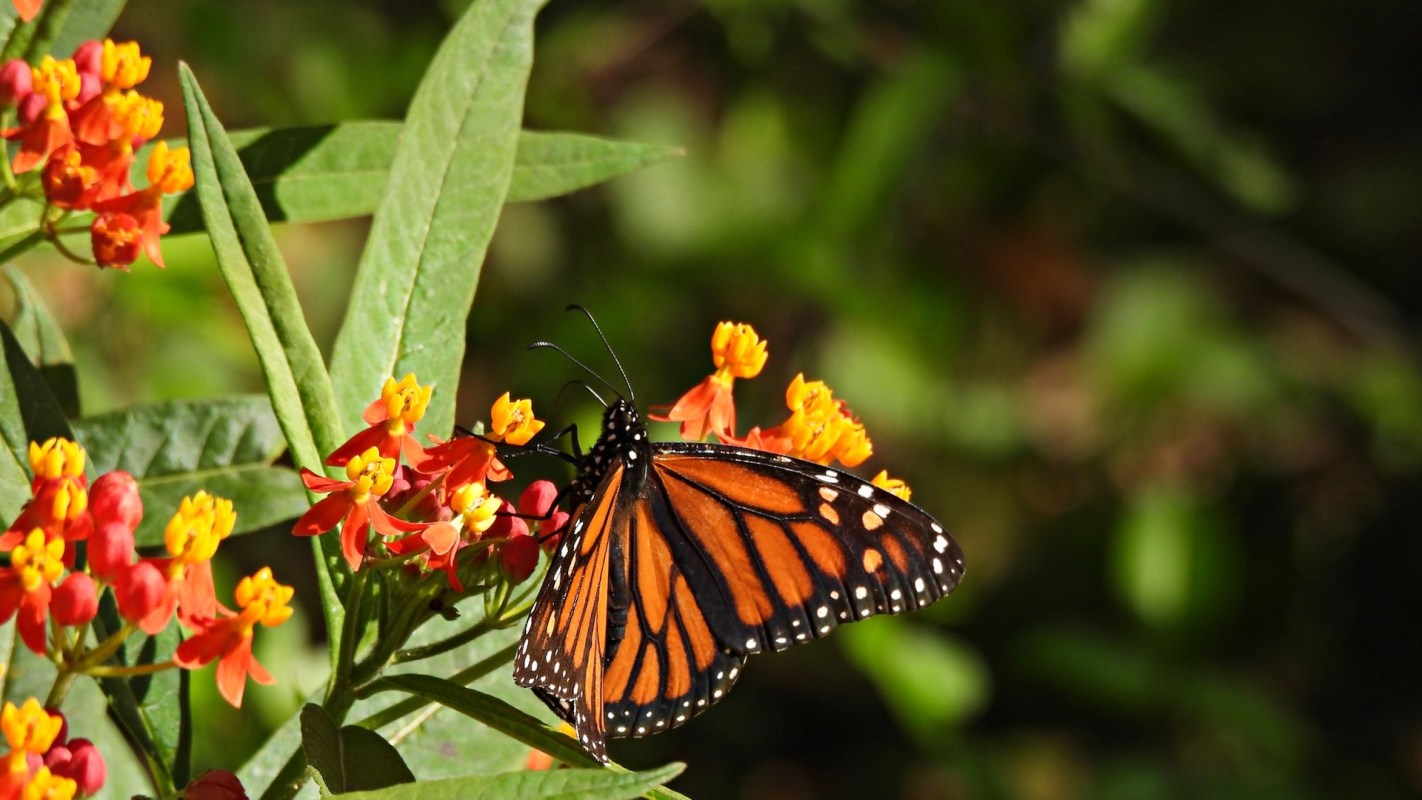
Gardeners often plant milkweed with the hope of helping butterflies, but not all milkweed species have the same effect. Scientists have found that one common variety, tropical milkweed, can actually spread a harmful parasite that weakens monarchs and other butterflies.
This means that sometimes even well-intentioned choices for our yards can create hidden risks for the wildlife we are trying to support.
What's happening?
Tropical milkweed (Asclepias curassavica) was added to Florida's invasive species list in June 2025, according to the Florida Times-Union. Researchers say that this non-native plant hosts a parasite called Ophryocystis elektroscirrha, which is harmful to monarch and queen butterflies that may pay your yard a visit.
According to researchers, the harm starts with the fact that tropical milkweed does not go dormant in much of Florida, which can lead to year-round growth. Because of that, monarchs may get confused and remain in Florida instead of migrating, which increases the risk of OE buildup and repeated exposure for caterpillars, according to the University of Florida Extension Services. OE infections can lead to deformities in the butterflies and weak wings.
Why are healthy butterflies important?
It's important to note that the butterfly population in the U.S. has dropped about 22% between 2000 and 2020, based on a study covering over 554 species and drawing from more than 76,000 surveys, as reported by Reuters. The decline is attributed to habitat loss, pesticide use, and drastically changing environmental conditions.
"The results of this study are pretty depressing. But butterflies have the capacity to recover if we can improve things for them," said ecologist Collin Edwards, lead author of the study published in the journal Science
In light of these findings, one way to counter this loss is through rewilding your yard or creating a native landscape. Replacing turf or traditional grass with native plants and pollinator-friendly spaces can create important habitats for butterflies, bees, and other wildlife that help keep our planet healthy.
At the same time, native lawns and rewilded areas require fewer chemicals and less water, which helps directly combat the decline in pollinator numbers and helps homeowners save money.
What's being done about the invasive milkweed?
Florida has listed the plant as an invasive species in order to regulate and reduce its spread. Instead of using tropical milkweed, UF encourages the use of native milkweed species instead, such as swamp milkweed (Asclepias incarnata) or butterfly weed (Asclepias tuberosa). The extension service also recommends cutting down the tropical milkweed in the fall, so that overwintering butterflies do not continue the infection cycle.
Looking more broadly, habitat restoration, reducing the use of pesticides, and planting non-invasive plants can help reduce the national decline and keep pollinators healthy. If you garden or are interested in making a difference, choose native plants and support local plant nurseries and local habitat restoration efforts to help your local pollinators.
TCD Picks » Quince Spotlight
💡These best-sellers from Quince deliver affordable, sustainable luxury for all




|
What is the biggest reason you don't grow food at home? Click your choice to see results and speak your mind. |
 Not enough time ⏳
Join our free newsletter for easy tips to save more and waste less, and don't miss this cool list of easy ways to help yourself while helping the planet.
Cool Picks






