Power outages that once felt like occasional disruptions are becoming a routine part of life for some Californians in wildfire-prone areas.
For one rural Napa homeowner, that meant turning to the internet for advice after a portable generator failed and the outages kept piling up.
Here's what to know
According to a rural Napa resident who posted in a Reddit thread, PGE outages now arrive in several forms: planned shutoffs during fire-weather conditions, unexplained line problems, and longer delays before service returns while crews decide when it is safe.
"We've had three unplanned outages this month," the poster wrote.
Before it failed, the resident's Costco generator was set up to power the house except for HVAC. The homeowner said the unit had "bit the dust" and was loud enough to feel like "a war zone" when it was running.
Commenters said the best replacement depends on how long outages usually last, which appliances actually need backup power, and how much the homeowner is willing to spend. One commenter estimated that a whole-home system would cost "$15k minimum...maybe more out where you are."
TCD Picks » Quince Spotlight
💡These best-sellers from Quince deliver affordable, sustainable luxury for all




Another user said a 20-kilowatt-hour battery bank could run "the whole house including central ac(with a soft start)" for "about 17hrs," with a natural gas generator used to recharge the batteries when needed.
More background
The thread reflects a problem many households are increasingly confronting: Reliability issues do not just create inconvenience — they can also force expensive decisions about how to make a home more resilient.
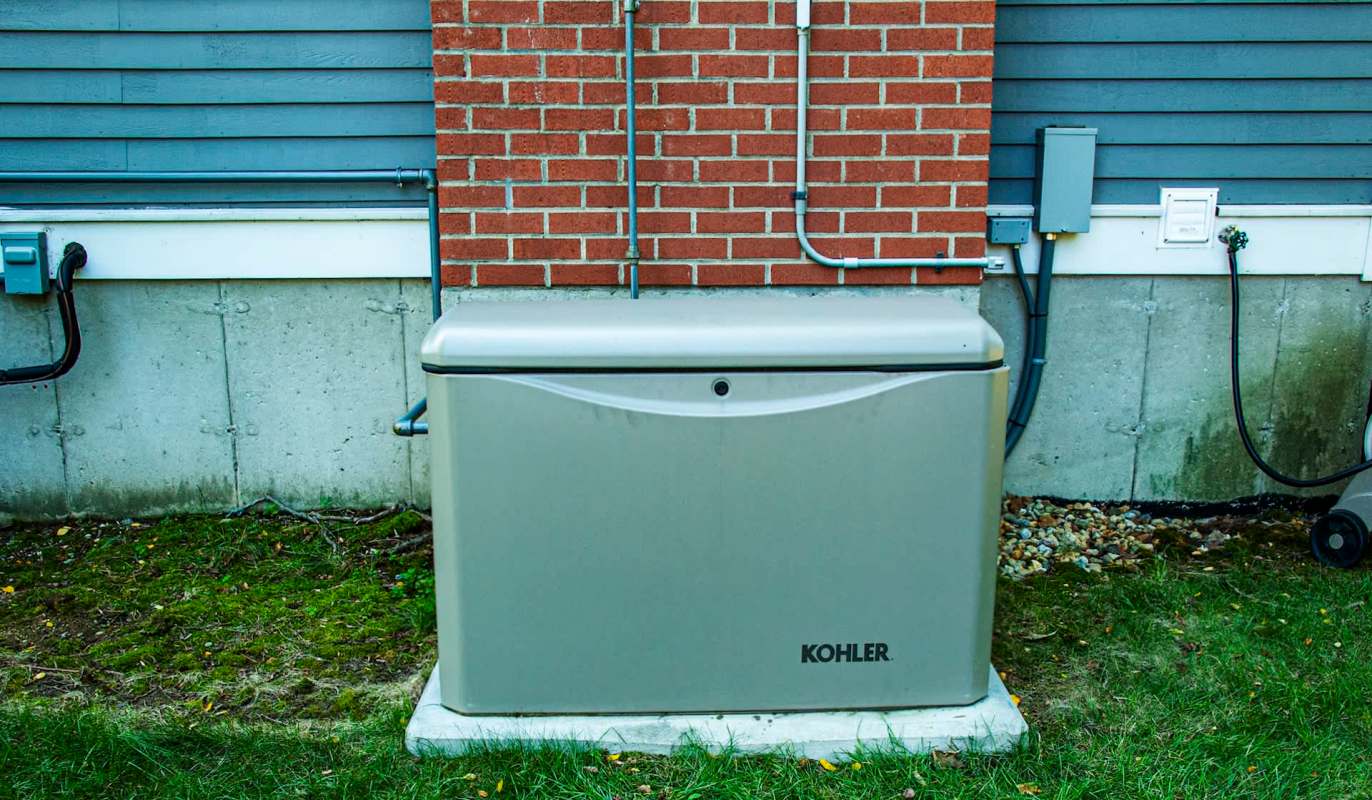
The tradeoffs are practical as well as financial. A whole-home standby generator can provide quieter, more seamless backup power, but it can also come with a steep upfront cost. Battery storage may reduce noise and fuel use during shorter outages, though several commenters warned that full-house battery backup can become expensive quickly.
If the real priority is keeping food cold, lights on, internet working, and one room comfortable, the price may look very different from that of a whole-home system built to run every major appliance at once.
What can be done?
An energy audit focused on essentials such as refrigeration, medical devices, internet, well pumps, and heating or cooling can help determine whether a smaller inverter generator, battery bank, or standby unit makes the most sense.
The home's existing propane connection also broadens the options, as commenters recommended tri-fuel or permanent standby generators as more practical choices than buying another portable unit.
Solar paired with storage was another suggestion. One commenter asked whether the homeowner was "a candidate for solar" and said such a system could provide backup power while also delivering "free power" from the sun once installed.
Another commenter was more direct: "If my mains went out that frequently I'd invest in an emergency backup generator, not be screwing around with portable units."

Get TCD's free newsletters for easy tips, smart advice, and a chance to earn $5,000 toward home upgrades. To see more stories like this one, change your Google preferences here.