


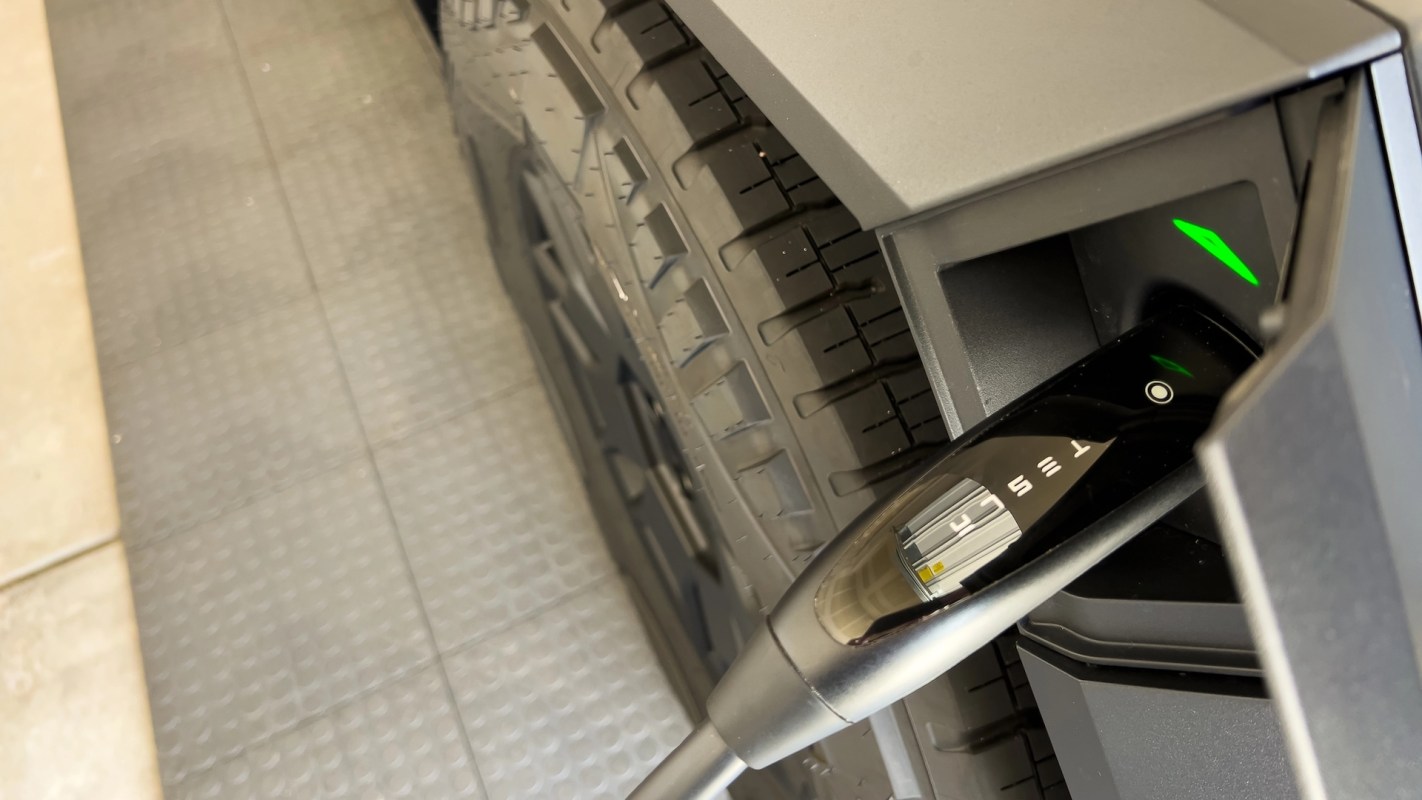
Erick (@echainzz), a technology enthusiast, installed a Tesla charger at home and was eager to share the impact it had on his electricity bill.
"A lot of you were super curious to see how much my electric bill has gone up," he said at the beginning of a TikTok video. "Honestly, you might be pretty surprised."
@echainzz Is charging at home expensive? 🤔🚗⚡️ #tesla #teslacharging #ev ♬ original sound - Erick
Erick said he had previously paid about $115 on his monthly electric bill. His first bill after installing and using the charger to power his electric vehicle at home was projected to come in at $200.
While some may see that as a sizable jump, it's cheaper than filling up on gas by a long shot. And even compared to the pricing at public Supercharger stations, there are good savings to be had. In fact, one study suggested home charging to be the most economical scenario when it comes to fueling cars.
Switching to an EV is a smart move across the board. In addition to savings on fuel and maintenance, EVs also sidestep the harmful fumes and heat-trapping pollution that come from burning gas.
Atmospheric pollution is the primary driver of the rising global temperatures that exacerbate extreme weather like floods, heat waves, and droughts. And these disasters have massive implications for everything from health and safety to housing, agriculture, and ecology — all of which come with their own costs.
TCD Picks » Quince Spotlight
💡These best-sellers from Quince deliver affordable, sustainable luxury for all




Those who want to double down on the convenience and savings of home EV charging might consider upgrading to a fast Level 2 charger, which you can do with a qualified installer through Qmerit, and if you want to make your car completely self-sufficient, you could even add solar panels to the mix. EnergySage offers free online tools that can connect prospective buyers with vetted, local installers, potentially saving homeowners up to $10,000 on installation costs.
One video viewer even suggested this method to Erick. "Try a solar panel with battery," they wrote.
Viewers also seemed impressed by the fairly moderate change that the at-home charger brought to Erick's electricity bill.
"Bro, that's like $100 in gas per month. That's a W," they shared.
|
Would you be more willing to buy an EV if it could travel over 600 miles per charge? Click your choice to see results and speak your mind. |
 Definitely 👍
Join our free newsletter for easy tips to save more and waste less, and don't miss this cool list of easy ways to help yourself while helping the planet.






