


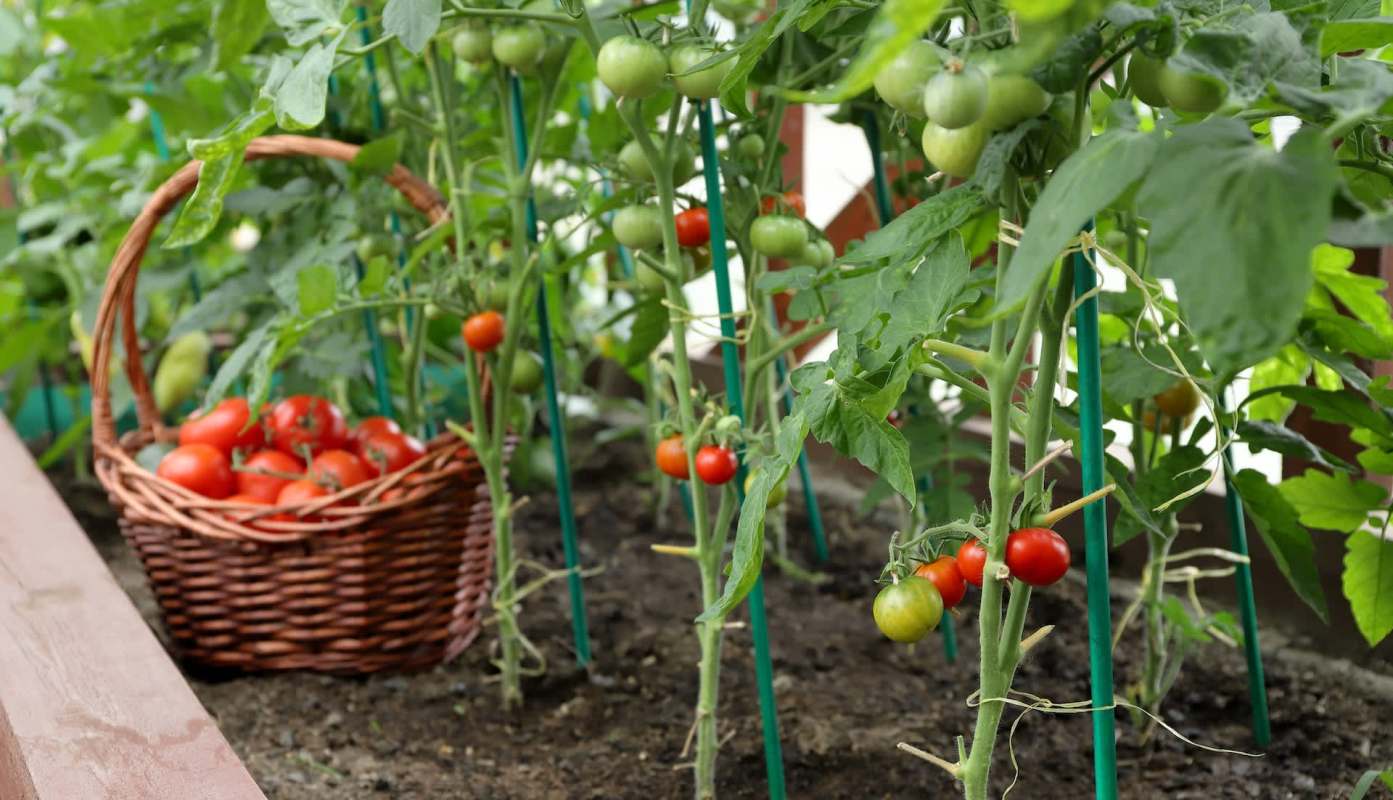
For backyard growers, a harvest can feel especially rewarding when the tomatoes finally pile up enough to become a real meal instead of getting eaten one by one off the vine.
A post on Reddit celebrated exactly that moment. The gardener shared photos of tomatoes simmering in a pot, and the final product of a hearty-looking pasta dinner, and wrote, "This is one of my favorite ways to really feel I'm reaping the rewards. Cheers."
What happened?
In the thread, a home gardener shared the payoff from a Sweet 100 crop that had finally made it into the pan — not just into the hands of people snacking in the yard.
The thread quickly filled with fellow gardeners comparing notes on what happens when prolific plants meet hungry families.
Several replies centered on that same challenge of keeping up with a productive plant. "This is all I want to make in the world and my kids just keep eating them," one commenter wrote.
"I'm right there with you," the OP replied. "My little grazers are eating them a day before they're ready. This is the first time this season I had enough to make it to the pan. You gotta love watching them munch right off the vine though."
TCD Picks » Quince Spotlight
💡These best-sellers from Quince deliver affordable, sustainable luxury for all




Another shared a favorite way to use the extras: "I've been doing this with my regular tomatoes and then cooking it down to make pizza sauce. It's so flavorful!"
Sweet 100s, a cherry tomato variety known for heavy production, can keep plants loaded through the growing season, making them a popular choice for gardeners hoping for steady harvests for salads, sauces, and snacking.
Why does it matter?
When a garden is producing well, it can help households save money on store-bought produce, especially with crops like tomatoes, which are often expensive relative to how quickly they can be eaten.
Homegrown produce also tends to stand out for its flavor. Tomatoes picked at peak ripeness and cooked the same day can taste far better than ones that traveled long distances before reaching a supermarket shelf.
There are health benefits as well. Gardening encourages people to spend time outdoors, stay active, and build a closer connection with what they eat.
For many, the routine of watering, pruning, and harvesting also offers a mental reset and can become a shared family experience, even if kids sneak the harvest before dinner.
There is an environmental benefit, too: growing food at home can mean less packaging, less transportation-related pollution, and less food waste when gardeners cook what they pick.
What can I do?
Cherry tomatoes are one of the easiest crops to start with.
Varieties like Sweet 100s are known for being productive, and they can grow in raised beds, in-ground gardens, or large containers with plenty of sun and consistent watering.
Harvesting often can help ensure more of the crop actually reaches the kitchen. Gardeners can also plan ahead for extra tomatoes by roasting them, freezing them, or cooking them down into pasta or pizza sauce when plants are especially productive.
Learning the basics of starting and maintaining an edible garden can make a big difference, especially for beginners.
"We roast ours with hot peppers, onions, garlic, and olive oil," one commenter wrote. "We wait all winter for that summer sauce."

Get TCD's free newsletters for easy tips, smart advice, and a chance to earn $5,000 toward home upgrades. To see more stories like this one, change your Google preferences here.







