


A summer garden can appear healthy right up until the harvest starts to slip. CaliKim, the creator behind the CaliKim Garden & Home channel (@CaliKim29), warned that easy-to-miss summer problems can quietly damage vegetables before many home growers realize anything is wrong.
Here's what to know
As CaliKim Garden & Home explained, the video is centered on identifying subtle midsummer problems before they worsen, rather than showing off ideal beds or unusually large harvests.
"Small summer garden problems can get worse fast—especially in the heat," CaliKim wrote in the caption.
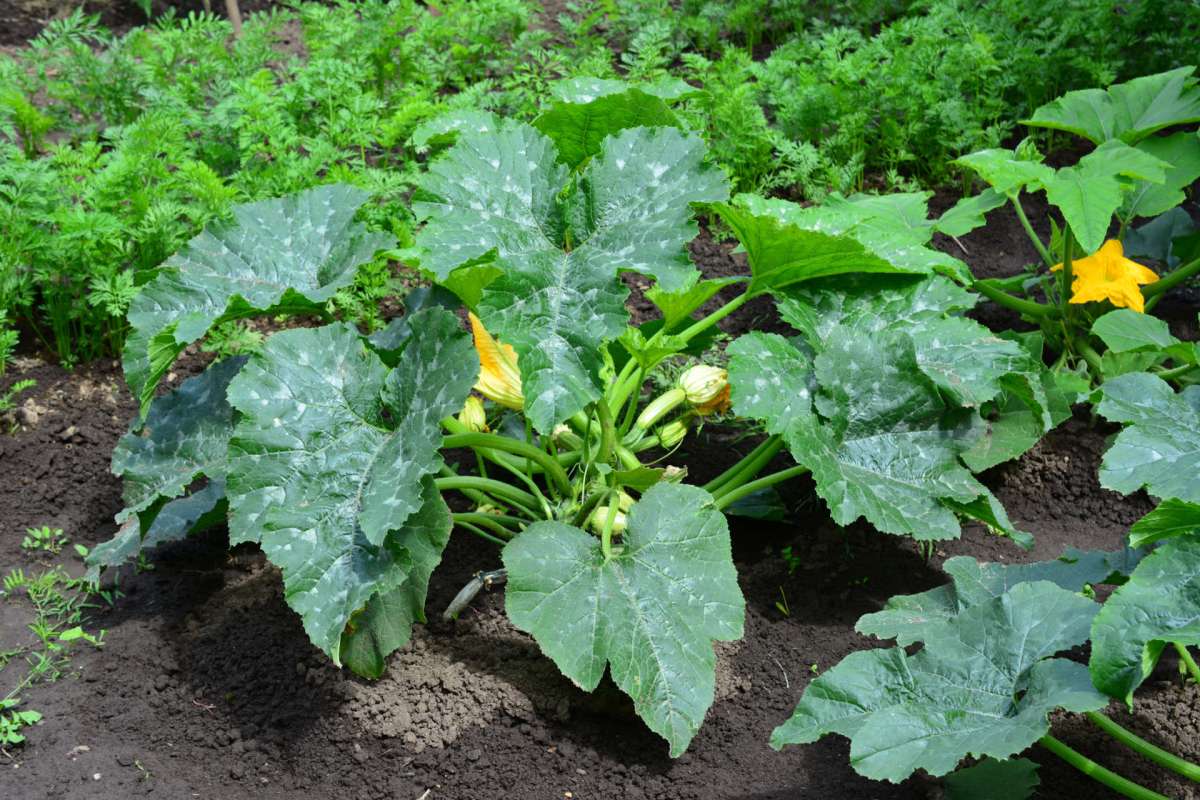
The problem she focuses on in this video is disease that can impact squash, specifically leaves infected with powdery mildew, which can spread faster than most expect. CaliKim's advice is to not ignore what may appear to be a minor problem or one that could be put off.
She insists that disease spreads rapidly and will take out many plants before you know it. To solve the problem, CaliKim recommends removing the most infected leaves, bagging or tossing them, and treating the plant using disease control as the product's instructions dictate.
It's important not to remove all the leaves, as healthy ones are needed for photosynthesis and to allow the squash to thrive.
TCD Picks » Quince Spotlight
💡These best-sellers from Quince deliver affordable, sustainable luxury for all




"We're stopping the disease, we're not finishing the job for it," CaliKim explains.
People have often already invested money in soil, seeds, starts, water, and supplies. That doesn't even include weeks or even months of work. So, preventing the work from being ruined by disease is important.
More background
Gardening can offer a long list of benefits when things go well. Growing food at home can help households save money on produce, especially herbs, greens, and other crops that are expensive to keep buying at the store.
Homegrown food also tends to taste better, simply because it can be picked at peak ripeness rather than traveling long distances before reaching the plate. For many people, that is one of the biggest rewards of tending a summer garden in the first place.
When a harvest is damaged, the loss is not just a few vegetables. It can also mean wasted time, wasted effort, and a missed chance to get fresh food from your own yard, patio, or balcony.
What can be done?
Because some summer garden problems may stay hidden until yields begin to drop, waiting for unmistakable signs of failure can be risky. Regular inspections can be an important way to protect the crop.
In this case, making sure not to procrastinate when you see warning signs is the biggest task on hand. Summer gardening involves more than planting and waiting. It also requires noticing problems early enough to respond before hot weather makes them harder to manage.

Get TCD's free newsletters for easy tips, smart advice, and a chance to earn $5,000 toward home upgrades. To see more stories like this one, change your Google preferences here.







