


Between the long, sunny days and the rising cost of keeping homes cool, solar power is starting to look like a smart investment across much of Louisiana. But how much can it really save you, and is it worth the upfront cost?
The scoop
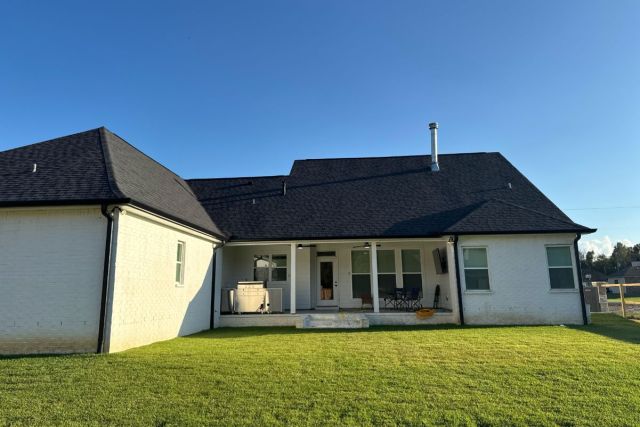
One South Louisiana homeowner took that question to Reddit, sharing that their 2,480-square-foot home uses about 1,860 kilowatt-hours of electricity per month. With rates around 13 cents per kWh, they wondered if a 14.76 kW solar setup (suggested by Tesla's online estimator) could make a meaningful dent in their bill.
Even with a north-facing roof, the original poster said the house gets steady sunlight from mid-morning to evening, raising the question of whether location and exposure are enough to make solar pay off in the Deep South.
How it's helping
Across the South, solar potential is high: Louisiana averages more than 200 sunny days per year. And a review by Solar Energy Industries Association (SEIA) shows that U.S. homeowners with residential rooftop solar systems "saved approximately $2.3 billion on their electricity bills in 2024."
For homeowners trying to figure out whether solar will pay off, online tools such as EnergySage make it easier to get real numbers before making the leap. On average, EnergySage users save up to $10,000 on solar purchases and installations. Its interactive solar map breaks down average system costs and available rates for every state, including Louisiana, which still qualifies for the 30% federal solar tax credit until it expires at the end of 2025.
For those not ready to buy panels outright, leasing is another way to take advantage of solar power. Palmetto's LightReach program installs panels for no money down and locks in low, predictable energy rates, helping homeowners avoid price spikes without a big upfront cost.
Pairing solar with other smart, efficient electric upgrades, such as modern heat pumps, can stretch savings even further. Mitsubishi makes it simple to find the right system and local installer, and homeowners can save around $400 per year on heating and cooling costs by switching.
What everyone's saying
Redditors agreed that the Louisiana homeowner's setup looked promising.
Save $10,000 on solar panels without even sharing your phone number Want to go solar but not sure who to trust? EnergySage has your back with free and transparent quotes from fully vetted providers that can help you save as much as $10k on installation. To get started, just answer a few questions about your home — no phone number required. Within a day or two, EnergySage will email you the best local options for your needs, and their expert advisers can help you compare quotes and pick a winner. |

"That utility rate is currently low but it looks like you have a lot of roof available for solar," one commenter wrote. "You would want to try and get an inexpensive install that can pay for itself in less than 10 years."
Another added that even in cloudy regions, solar can still pay off: "Definitely a good move, especially if your utility does net metering. I live in Oregon and it's overcast 7-8 months of the year, but the people I know who have been online for a year or more say they bank enough power to get them through the winter."
|
If you don't have solar panels on your home, which of these factors is the biggest barrier to installing them? Click your choice to see results and speak your mind. |
 Upfront costs 💰
 When the OP asked whether to invest in batteries or a natural gas generator, another user weighed in: "I went with batteries instead of a backup generator. Not having to worry about sourcing gas in the event of a hurricane is really nice."
For homeowners in Louisiana and beyond, solar can offer protection from volatile energy prices and a cleaner, more resilient way to power their homes for decades to come.
More From EnergySage
💡Go deep on the latest news and trends shaping the residential solar landscape


Join our free newsletter for easy tips to save more and waste less, and don't miss this cool list of easy ways to help yourself while helping the planet.






