


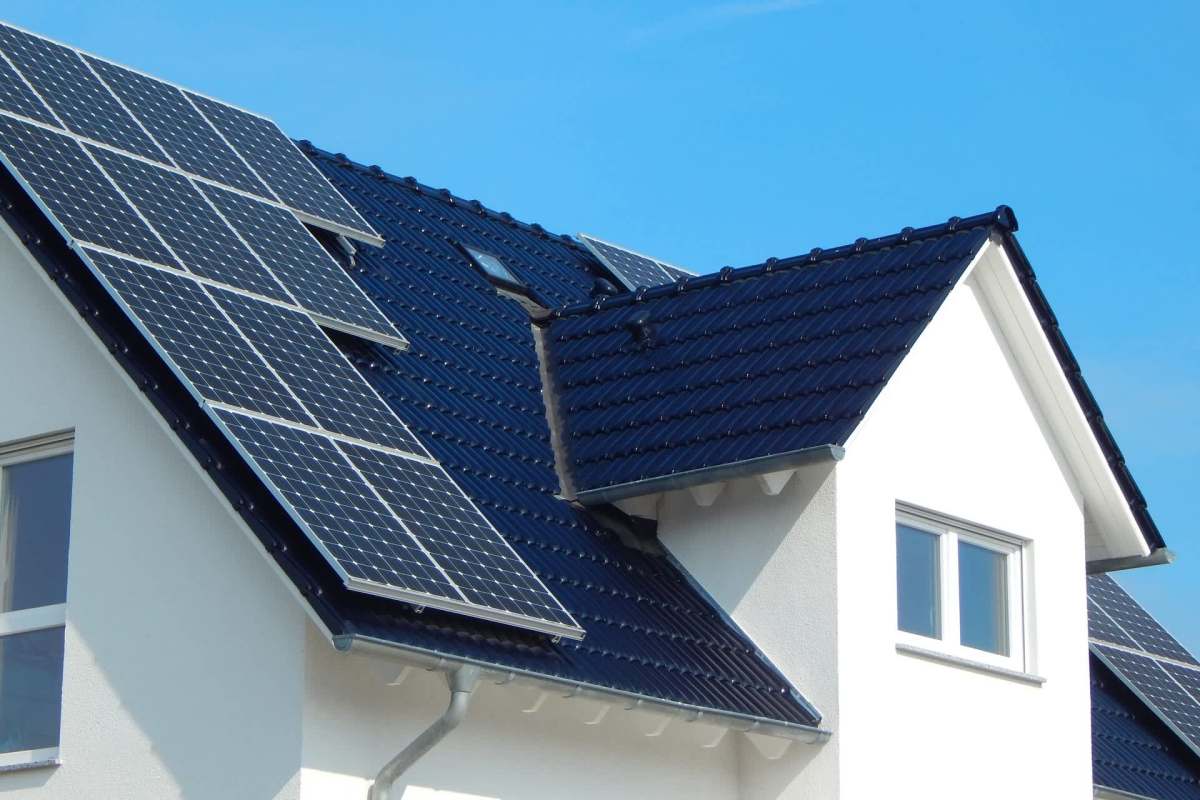
For years, the U.S. government has offered homeowners significant tax breaks to support the installation of solar panels. Now those incentives are being retired at the end of 2025 — and in nearly all cases, it's too late to get on an installer's books before the end of the year.
So without those discounts, does it still make financial sense to install solar panels and generate your own electricity? "Does solar pay off," as the experts at EnergySage asked.
According to their analysis, the answer is a resounding "yes." They even offered a helpful state-by-state breakdown of the solar payback period — how long it takes a solar setup to pay for itself and start generating pure savings.
The fact that experts talk about the time it takes for a solar panel setup to pay for itself rather than asking whether it will pay for itself is because going solar is one of the most reliable ways to save money on energy costs. Not only that, but it also produces clean energy, lowering the air pollution required to keep your home running. To get quotes and find the most cost-effective options from installers near you, visit EnergySage.
According to EnergySage's analysis, the average solar payback period in the U.S. is about 10.5 years. Washington, D.C., residents have an average payback period of just over five years, while Tennessee's was the longest at 21.4. Since solar panels last 25-30 years, they are cost-effective in any state.
With the help of EnergySage's free services, everyday homeowners save up to $10,000 when buying and installing solar panels. To get a state-by-state look at the available rebates and incentives, as well as local system costs, check out its useful mapping tool.
To improve on your savings and reduce your impact on the planet even further, combine solar panels with another energy-efficient appliance upgrade like a heat pump. TCD's HVAC Explorer is the place to start when looking for a trustworthy installer and getting the right system at the right price.
|
What's the biggest thing stopping you from going solar? Click your choice to see results and speak your mind. |
 The cost 💵
Get TCD's free newsletters for easy tips to save more, waste less, and make smarter choices — and earn up to $5,000 toward clean upgrades in TCD's exclusive Rewards Club.
Save $10,000 on solar panels without even sharing your phone number Want to go solar but not sure who to trust? EnergySage has your back with free and transparent quotes from fully vetted providers that can help you save as much as $10k on installation. To get started, just answer a few questions about your home — no phone number required. Within a day or two, EnergySage will email you the best local options for your needs, and their expert advisers can help you compare quotes and pick a winner. |

Cool Picks




