


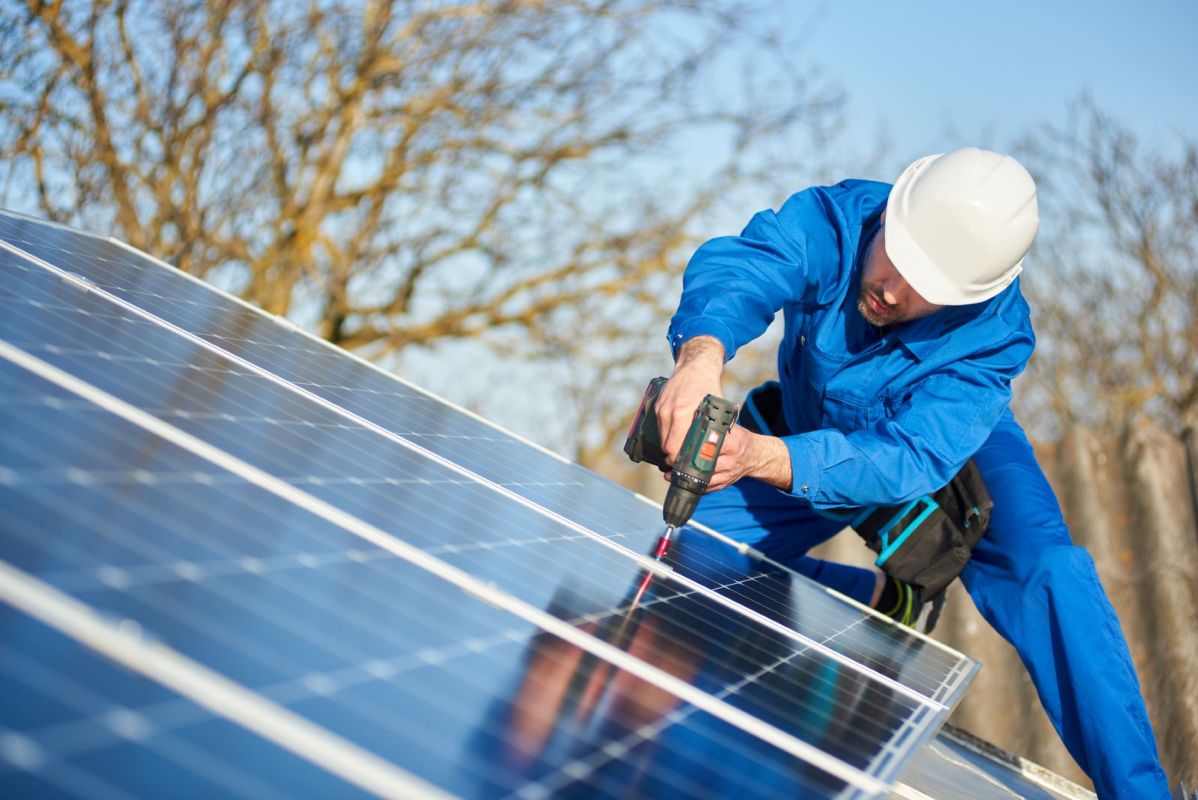
Many people are rushing to complete their home solar installation projects before the federal tax credits expire at the end of the year.
However, as EnergySage pointed out, some new government policies are making solar costs more affordable, despite the incentives being phased out.
As EnergySage reported, the Federal Reserve recently cut interest rates for the first time in 2025. The benchmark lending rate in the U.S. is now 4% to 4.25%.
This interest rate drop is encouraging for people looking to upgrade their homes with solar energy. Loans to purchase solar systems and pay for them over time are now more affordable.
Meanwhile, solar installation costs are declining nationwide. According to EnergySage, homeowners can expect to see a return on their solar investments faster than even just one year ago.
"For example, this most recent 25-basis-point reduction in the Fed funds rate means a homeowner will save about $3,000 in interest payments on a 20-year, $30,000 home solar loan," EnergySage writer Alix Langone explained.
Now is an excellent time to go solar for many reasons, including the monthly utility bill savings, reduced pollution output, and the new interest rate drop.
Experts don't expect the Fed to make another interest rate cut before the end of the year. With electricity prices continuing to rise, the sooner you install solar panels, the sooner you'll start saving on your energy bills and helping the planet.
Save $10,000 on solar panels without even sharing your phone number Want to go solar but not sure who to trust? EnergySage has your back with free and transparent quotes from fully vetted providers that can help you save as much as $10k on installation. To get started, just answer a few questions about your home — no phone number required. Within a day or two, EnergySage will email you the best local options for your needs, and their expert advisers can help you compare quotes and pick a winner. |

More than just a source of information and industry insights, EnergySage helps homeowners save up to $10,000 on solar installation costs through its quote comparison tool. It also has a free mapping tool to help you assess solar costs by state and find state-specific incentives.
If you can't afford to buy solar panels right now, consider Palmetto's LightReach program to lock in low energy rates with no money down.
|
Which of these factors is the biggest obstacle preventing you from getting solar panels? Click your choice to see results and speak your mind. |
 The upfront cost 💰
 For homeowners on the fence about making a major solar investment right now, Langone offered a reminder that you can likely make your money back in under a decade and then enjoy pure savings from that point forward. However, it's essential to consider the additional fees and costs that may be associated with a new solar loan, not just the interest rate.
"Even if they take out a 20-year loan, the average homeowner who goes solar through the EnergySage Marketplace pays their loan back in less than 10 years," Langone wrote. "So if you take out a loan while interest rates are lower, like they are now, you'll hit your payback period sooner and save yourself more money over time."
More From EnergySage
💡Go deep on the latest news and trends shaping the residential solar landscape




Join our free newsletter for easy tips to save more and waste less, and don't miss this cool list of easy ways to help yourself while helping the planet.
Cool Picks


