


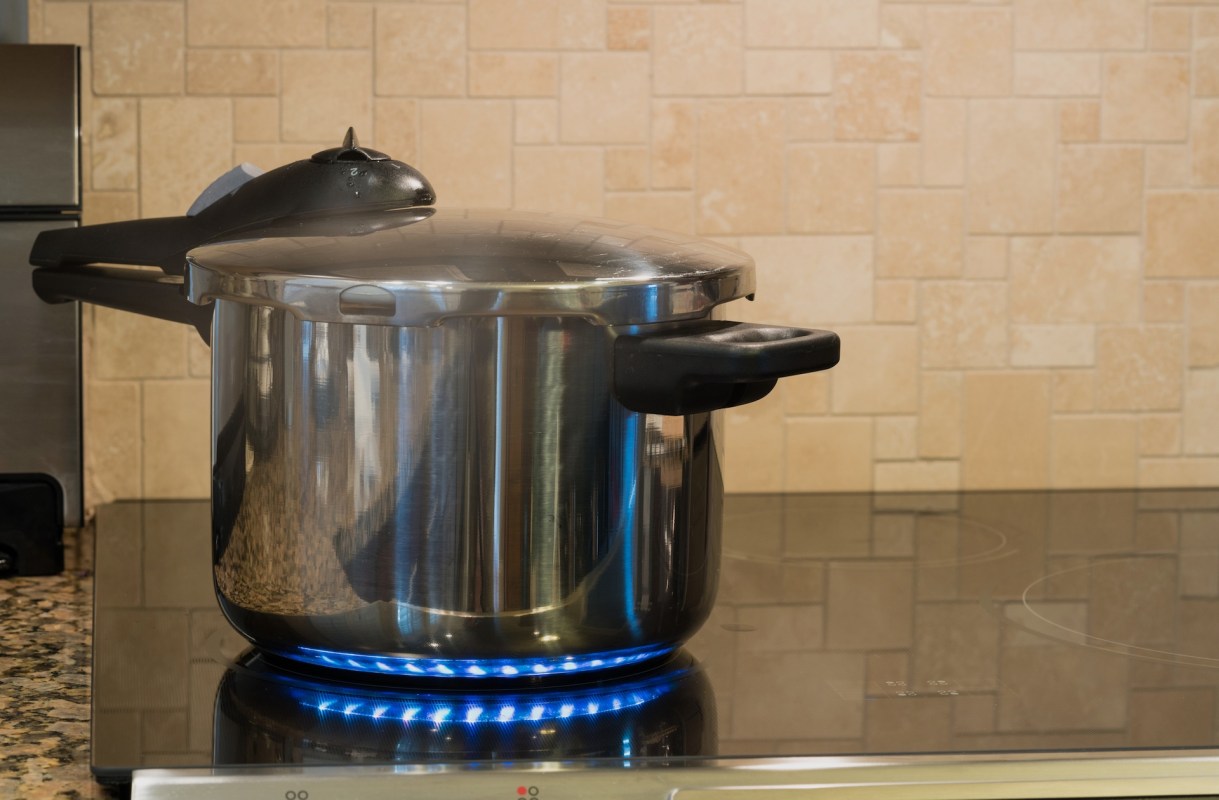
Induction stoves have been hailed as the future of home cooking: faster, safer, and more energy-efficient than traditional electric ranges. Yet one Redditor's first experience with the tech has them wondering if all the praise is deserved.
The post, shared in the r/Cooking subreddit, details the user's frustrations after trying an entry-level induction range. "I think some of these cons might be solved by getting a more expensive induction range, but now that I've experienced induction cooking, I just don't really understand what the hype is about," the OP wrote.
Among the issues: buzzing sounds and pan vibration, rapid on-off cycling sometimes sending water from a boil to a near-simmer every few seconds, and loud cooling fans that activate even when only the oven is running. The user also found it difficult to gauge the heating areas for pans, as many induction ranges feature crosshair markers rather than clear burner circles. "Why does everyone seem to love induction cooking so much?" they asked.
Many commenters pointed out that the user's experience may be more about the specific model or pot they used possibly not being correctly magnetic rather than the tech itself. "All the reviews for that oven are terrible. Get a better one. A cast iron pan works great on induction," one person wrote.
TCD Picks » Induction Cooking
💡Discover the induction option that’s just right for your needs and your home


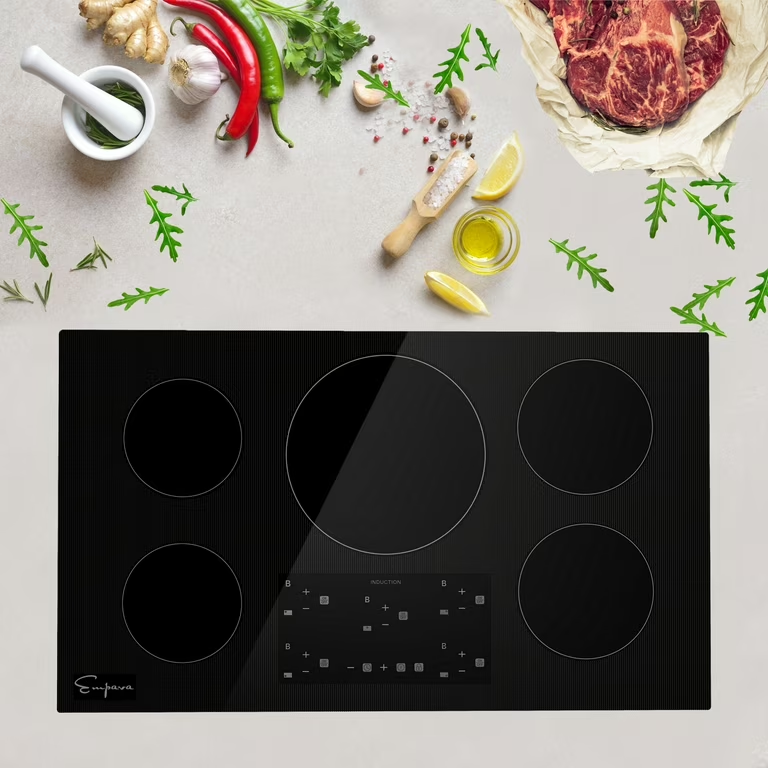

That was the consensus in the comments, and induction stoves remain a safer alternative to gas, reducing indoor air pollution and the risk of accidental burns. They can be more cost-effective than conventional electric ranges in the long run and cook meals faster, saving both energy and time.
"Cheaper ranges will be built cheaper and many of the things you are frustrated with (noisy fan, no self clean, pulsing burners) will be eliminated if you don't buy the entry level products," another added.
Plenty of others provided their opinions on the technology as a whole. "To me, I'd never go back to anything else. Despite the downsides. The upsides are so worth it. The same level of instant temp control as gas, and often even faster heat up times due to the efficiency, but not the negative impact on indoor air quality, easier to keep clean," one commenter shared.
Induction cooking may not be flawless, but the tech remains a strong contender for faster, safer, and more cost-effective kitchens, especially when paired with complementary electric upgrades. Pairing upgraded appliances with solar panels is one of the easiest ways to cut your utility rates and reduce your home's environmental footprint.
Through TCD's Solar Explorer, you can connect with vetted installers and save up to $10,000 on a solar installation, including $0 down subscription options like Palmetto's LightReach program. Combining solar with a heat pump can take your energy savings even farther, with most people saving an average of $400 per year on energy costs. Check out TCD's HVAC Explorer to understand your options and connect with installers.
Federal appliance rebates are still available, but many expire at the end of 2025. Taking advantage now could save you thousands while making your home more energy-efficient and resilient.
Save $10,000 on solar panels without even sharing your phone number Want to go solar but not sure who to trust? EnergySage has your back with free and transparent quotes from fully vetted providers in your area. To get started, just answer a few questions about your home — no phone number required. Within a day or two, EnergySage will email you the best options for your needs, and their expert advisers can help you compare quotes and pick a winner. Solar panels can save you more than $50k over their 25-year lifespan, and EnergySage can help you save as much as $10k on installation. Which begs the question — isn't that worth an email or two? |

For renters or anyone not ready for a full kitchen remodel, plug-in induction burners are an easy, affordable way to try the technology, starting at just $50.
|
Which of these factors would most effectively motivate you to buy an induction stove?
Click your choice to see results and speak your mind. |
 Healthier indoor air 🏠
💰Get TCD's free newsletters for easy tips to save more, waste less, and make smarter choices — and earn up to $5,000 toward clean upgrades in TCD's exclusive Rewards Club.
Cool Picks




