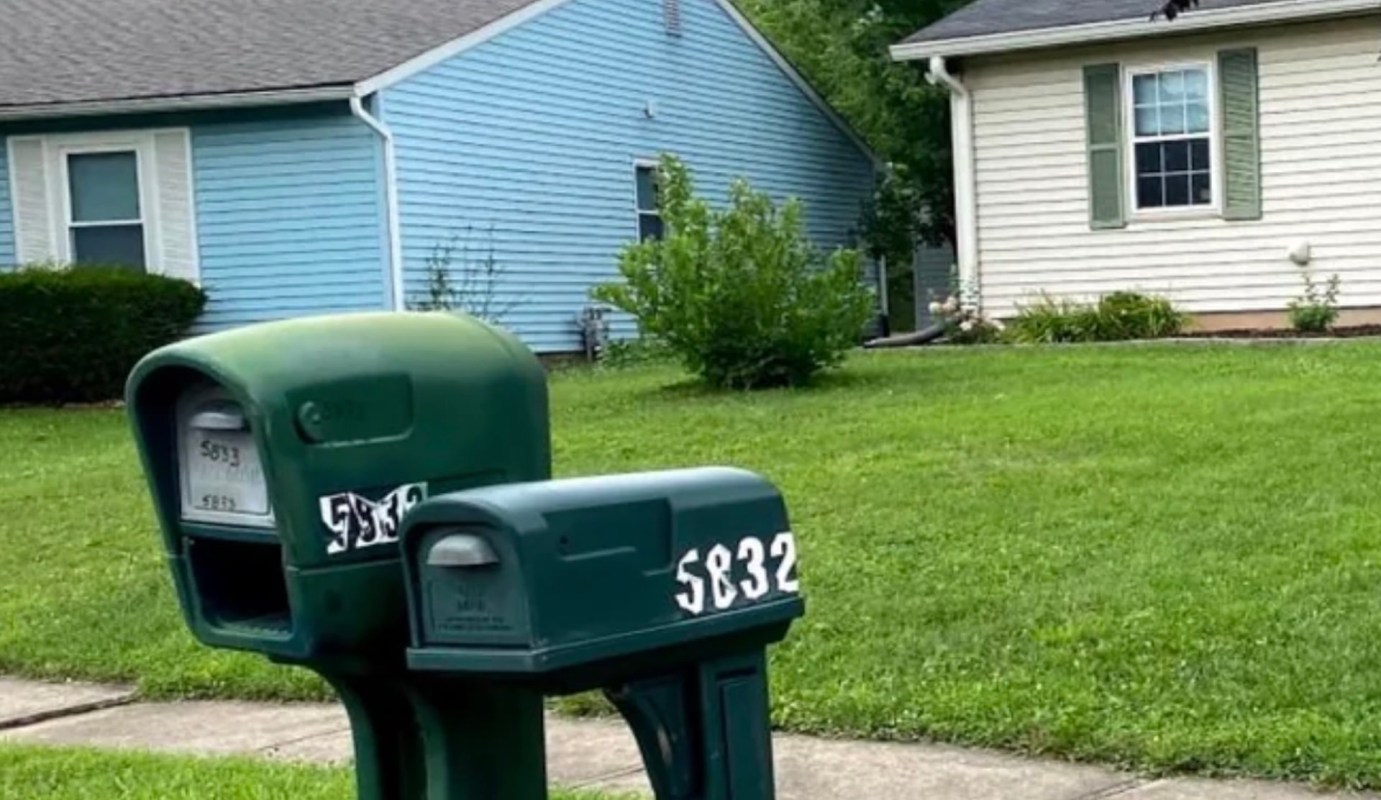
Dealing with difficult neighbors can be challenging, but sometimes starting with open and calm communication can be the key to solving any issues you may have.
That's the advice one Redditor received after posting about their neighbor's frustrating behavior regarding a shared mailbox area.
"My neighbor across the street has cut the plant next to our mailboxes 2 years in a row now and I need help figuring out what to do," wrote the homeowner underneath several images showing the damage their neighbor had made over the previous years. "Two years in a row is not a coincidence or accident," the homeowner added.
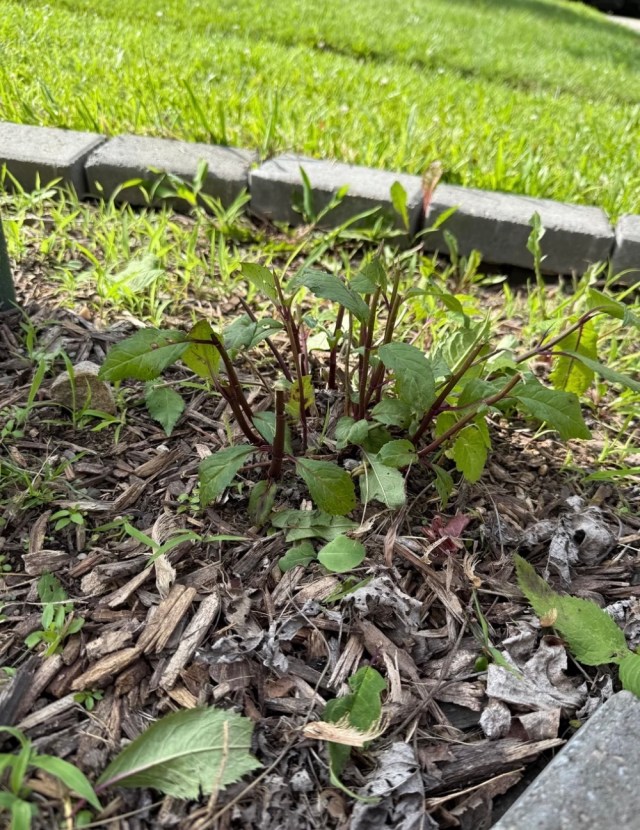
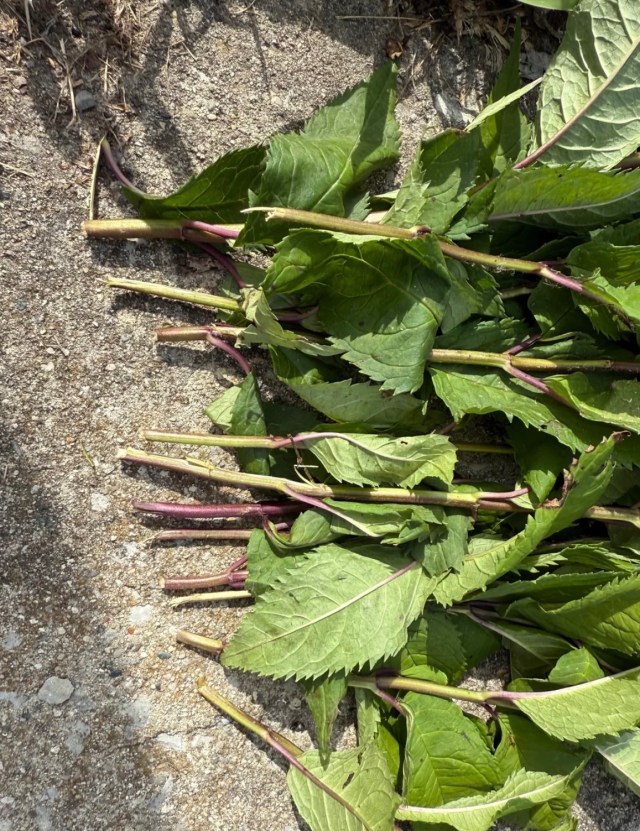
The year before the first plant cutting, the neighbor "placed a black trash bag around both mailboxes and dumped a mound of gravel on top," after which the OP "painstakingly picked up each rock," so this was "the 3rd year in a row he's messed with our mailbox set up."
The homeowner received lots of advice from fellow Redditors telling them that the issue could likely be resolved by having a simple conversation.
"You should really try talking to him first. It could be that he doesn't know you're the one who put the plants there," suggested one commenter.
Another one suggested the homeowner check local laws, writing, "check your deed/city bylaws and see who is responsible for that section of yard."
Talking with difficult neighbors about your home improvements or gardening decisions can help prevent potential issues and maintain good relationships. This can make it easier to make money-saving, eco-friendly upgrades like installing solar panels or rewilding your yard, without receiving any backlash from people living next door.
For example, many people have negative perceptions of solar panels, worrying about how they look and the noise pollution they will generate. Explaining to neighbors that solar panels are designed to blend in, don't generate any noise, and can reduce your utility bills significantly, as well as help keep the lights on during an emergency, could help change their views.
Neighbors have also reportedly had similar issues with native gardens. A lot of people perceive these gardens as messy and unkept, especially compared to traditional lawns. Talking to neighbors about your native garden and the benefits it has for wildlife can help reduce any concerns. You could also consider getting certified by the National Wildlife Federation so that people in your neighborhood know you've created a garden with a purpose.
TCD Picks » Upway Spotlight
💡Upway makes it easy to find discounts of up to 60% on premium e-bike brands





Sparking meaningful conversations around these topics can help change people's perceptions and enable homeowners to make money-saving, eco-friendly upgrades while contributing to a cleaner and cooler planet.
|
What should America do to fight plastic pollution?
Click your choice to see results and speak your mind. |
 Stricter regulations on companies 🏛️
Join our free newsletter for easy tips to save more and waste less, and don't miss this cool list of easy ways to help yourself while helping the planet.
Cool Picks