


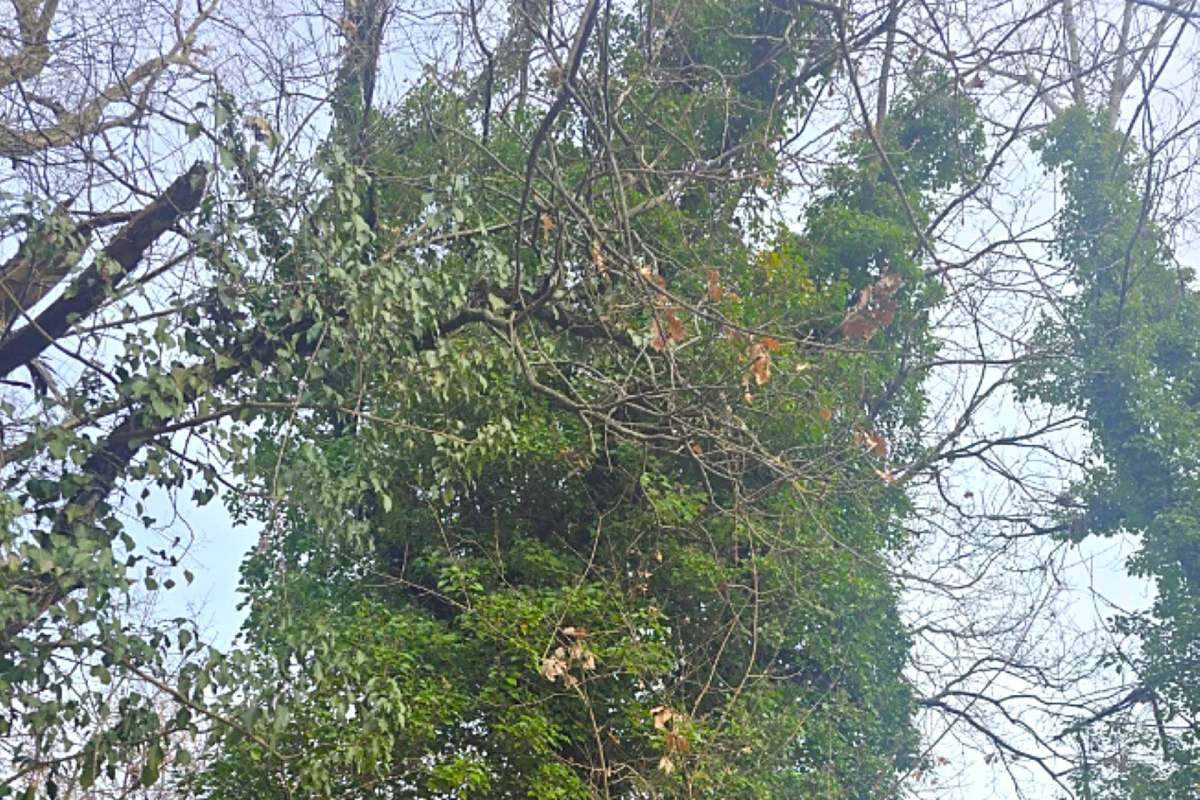
Ivy may appear pretty at first, but look closer and you can see how it chokes out trees and native plants just to reach a bit more sunlight.
One Redditor discovered some particularly girthy ivy climbing trees around their home and shared before-and-after photos of how it looked after they cut some of it down in the r/arborists subreddit.
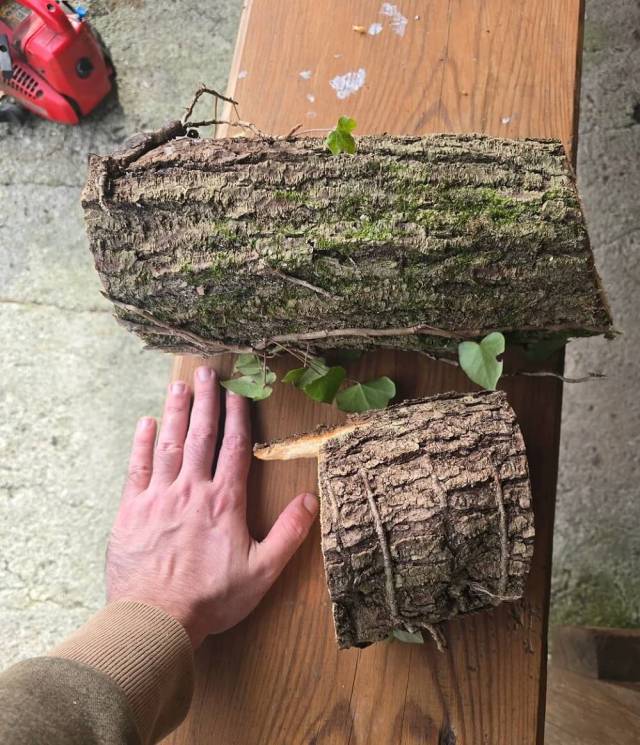
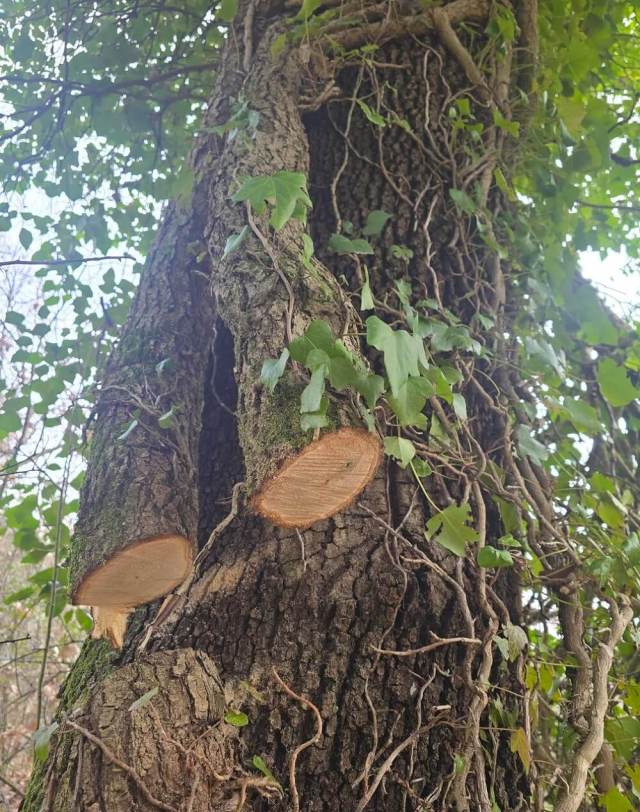
"I rescued several oak trees from ivy," the poster wrote. "Maybe it's something common, but I'd never seen ivy this thick before."
While the original poster returned to the comments and referred to the ivy as Italian ivy, several users believed it was bittersweet or wild grapes. Whichever type of plant it was, Redditors were astounded by its size.
"Holy smokes, that is some old growth!" one person exclaimed.
Another Redditor commented: "Holy moly! I've seen thick ivy vines before, but none that looked like trees."
Whether it's in a lake or climbing a tree, invasive plant species can smother native plants while taking all the natural resources for themselves.
Unfortunately, they are also extremely challenging to eliminate, with some towns even resorting to prescribed burns to fully eradicate invasive species.
This makes them a particular headache for homeowners, especially since some invasive plants can spread to houses and cause damage, making their elimination the only option to reduce the risk of structural damage and associated repair costs.
An excellent way to help stop the spread of these plants is to plant more native plants in an area. Rewilding a lawn or installing a few native plants means you spend less time working on your yard, as these plants need little maintenance. They also require less water, helping you save on your water bills.
TCD Picks » Upway Spotlight
💡Upway makes it easy to find discounts of up to 60% on premium e-bike brands





|
What's the most you'd pay per month to put solar panels on your roof if there was no down payment?
Click your choice to see results and speak your mind. |
 $200 or more 💰
 Homeowners can also use native plants with deep roots to help prevent soil erosion or create a rain garden with them to control water runoff. Meanwhile, those in dry areas can benefit from using drought-resistant plants and xeriscaping.
Best of all, native species attract pollinators. Around 80% of global pollination can be traced to these pollinators, including crops that make up about 90% of human food supplies.
If redoing an entire lawn isn't feasible, homeowners can install a native plant or two, buffalo grass, or clover in a flower bed or corner of the yard and still reap the benefits while also saving the trees on their properties.

Get TCD's free newsletters for easy tips to save more, waste less, and make smarter choices — and earn up to $5,000 toward clean upgrades in TCD's exclusive Rewards Club.
Cool Picks






