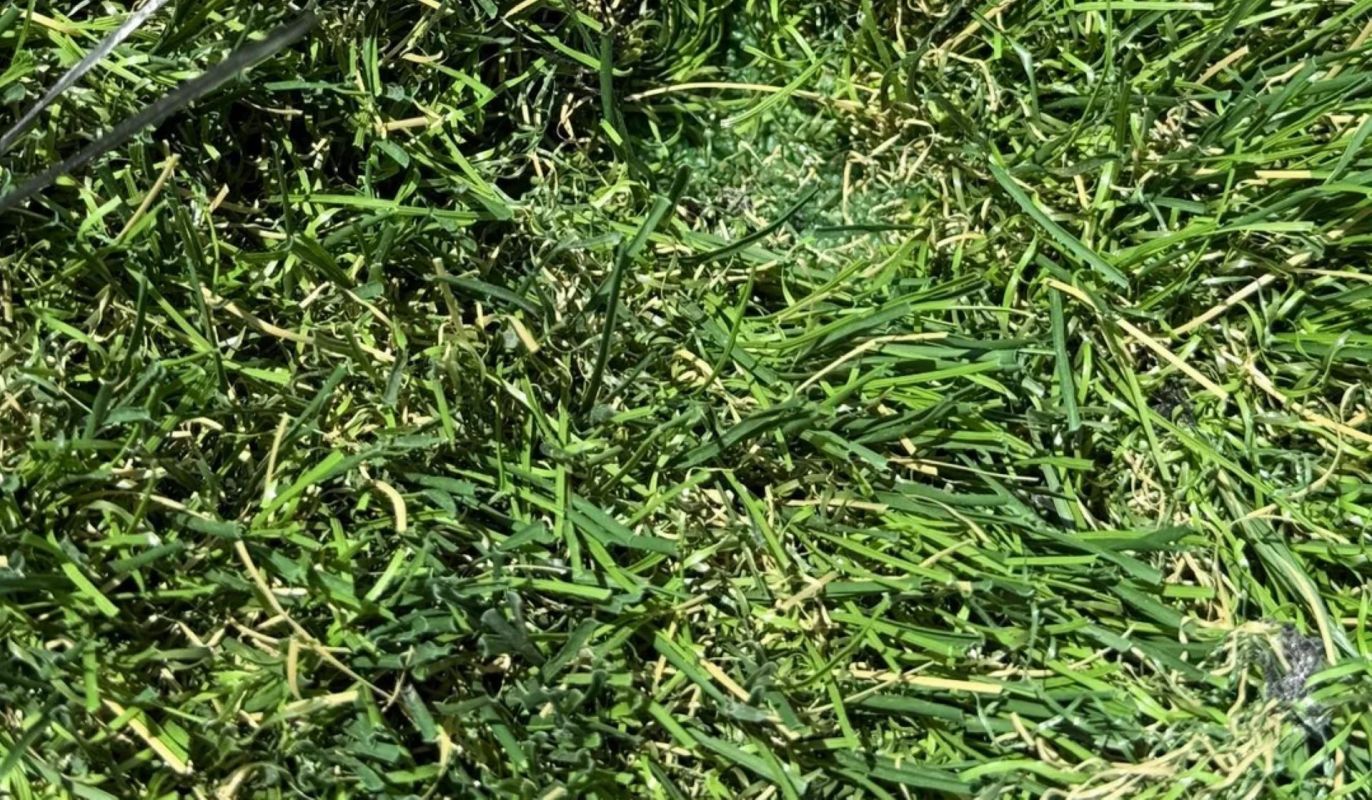
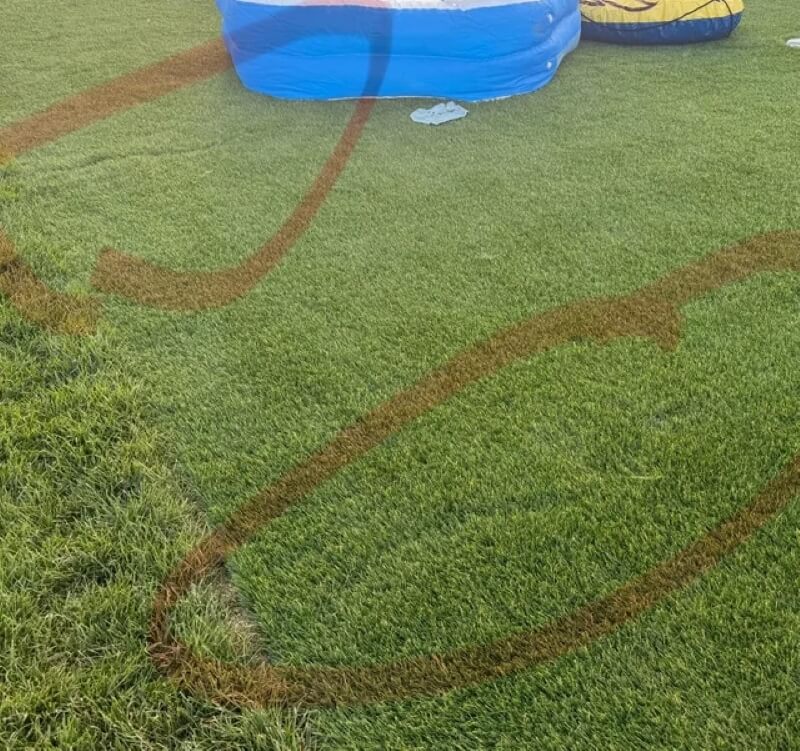
A homeowner recently shared photos on the subreddit "r/landscaping" highlighting the seam lines in their newly installed artificial turf.
"I am seeing videos online where turf seam lines shouldn't be visible. They told us to brush but doesn't help to get rid of these S lines… I thought turf would look seamless…. Any thoughts?" the post reads, capturing the frustration of someone who expected a flawless, low-maintenance lawn.
While artificial turf can seem convenient, it comes with hidden costs — both financial and environmental.
Despite the perception that artificial lawns are "low maintenance," they require ongoing cleaning, repairs, and eventual replacement, often incurring thousands of dollars in materials and installation costs.
Artificial turf often contains plastics that degrade over time, releasing microplastics into the soil and the surrounding environment. Some products also contain PFAS, chemicals linked to health concerns.
Additionally, it provides no food for pollinators and contributes to the urban heat island effect.
Perk up the winter blues with natural, hemp-derived gummies Camino's hemp-derived gummies naturally support balance and recovery without disrupting your routine, so you can enjoy reliable, consistent dosing without guesswork or habit-forming ingredients. Flavors like sparkling pear for social events and tropical-burst for recovery deliver a sophisticated, elevated taste experience — and orchard peach for balance offers everyday support for managing stress while staying clear-headed and elevated.
Learn more → |

In contrast, natural alternatives like native lawns, rain gardens, and xeriscaping offer eco-friendly, low-maintenance solutions. Even partial lawn replacements using clover, buffalo grass, or native plants can save time, reduce water bills, and lower maintenance costs.
Installing native plants does more than ease your workload; it creates a healthier ecosystem for pollinators, which ultimately benefits humans by protecting the food supply.
Homeowners who opt for native lawns often reap long-term benefits while supporting biodiversity in their neighborhoods. For those rethinking their green spaces, swapping some or all artificial turf for natural, pollinator-friendly options is a way to make yards more sustainable and environmentally responsible.
Even small changes can make a big difference, proving that a beautiful lawn doesn't have to come at the expense of the planet.
TCD Picks » Upway Spotlight
💡Upway makes it easy to find discounts of up to 60% on premium e-bike brands





A commenter highlighted the environmental damage that artificial turf can bring because of "all that plastic and rubber" associated with installation.
|
If you were to switch from a grass lawn to a more natural option, which of these factors would be your primary motivation?
Click your choice to see results and speak your mind. |
 Making it look better 🌱
Get TCD's free newsletters for easy tips to save more, waste less, and make smarter choices — and earn up to $5,000 toward clean upgrades in TCD's exclusive Rewards Club.
Cool Picks