


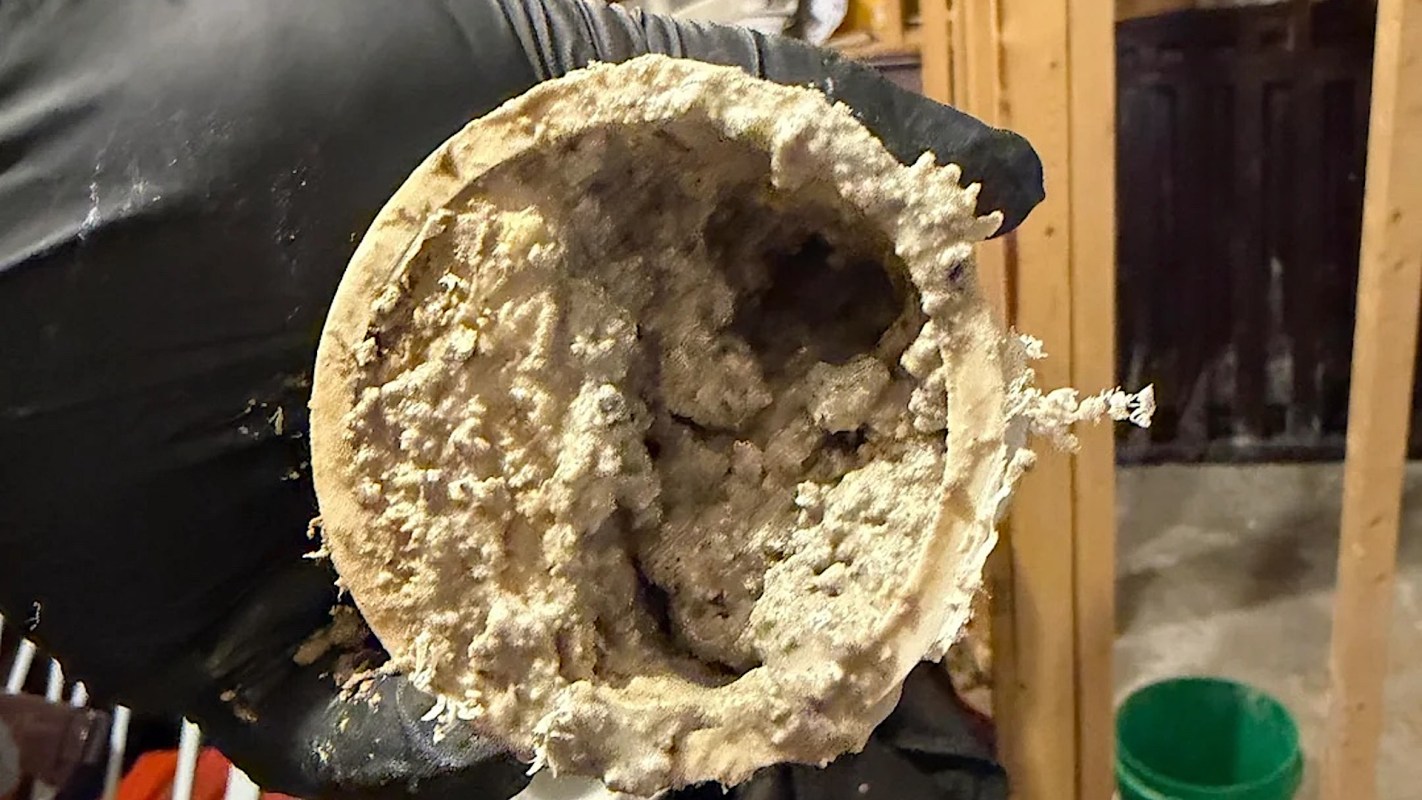
A plumber's photo of a badly clogged sink line is a vivid reminder that what goes down the drain does not simply disappear. What started as a complaint that a sink "wasn't draining" ended with a full pipe replacement after years of grease buildup apparently turned the line into a nearly solid mass.
Here's what to know
On the r/Plumbing forum, a Reddit post described a kitchen drain line so clogged with hardened waste that the plumber said it had to be cut out in sections and replaced. The plumber wrote: "This is one of the worst grease buildups I've ever seen. The sink drain was almost 20ft long and was 3/4 full of rock solid grease and god knows what else. Had to cut all of it out in chunks and repipe the entire thing."
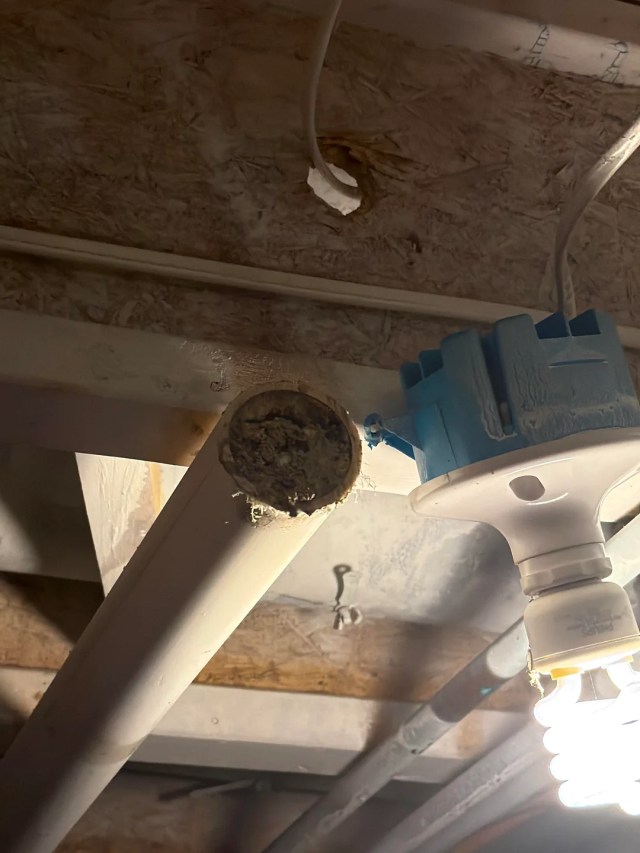
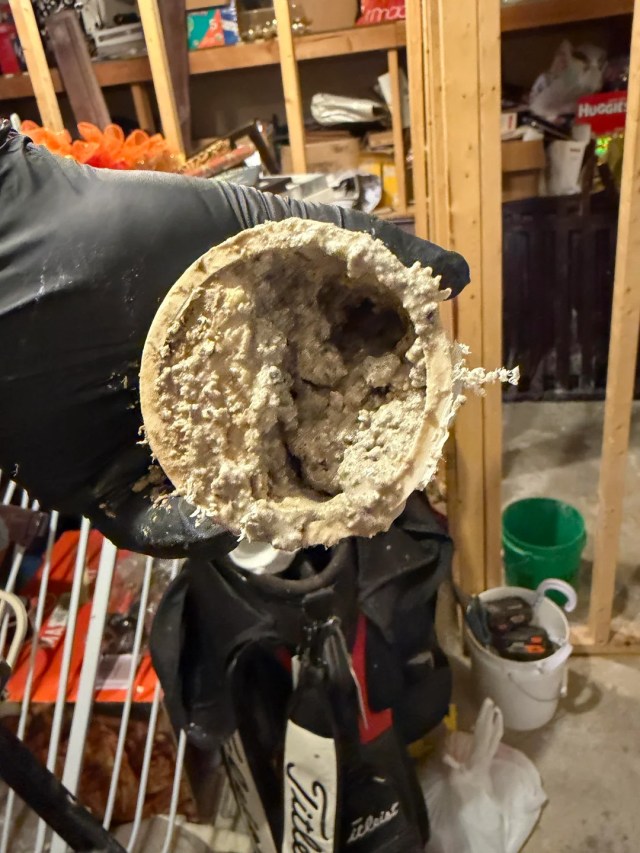
The question of whether the line could simply be snaked also came up in the comments, just as it apparently had with the customer. When one commenter asked, "Why can't you just snake it," the original poster replied, "Exactly what they said too. I made sure to bring them into the basement to get a look."
Another commenter said that approach was possible but came with downsides including extra mess, more time, and the chance of pushing the problem farther along the line while leaving material behind. That commenter wrote: "You can. It is nastier, takes longer, has the risk of clogging downline, and gets your clothing a lot more messy. Oh, and there will be a lot of residue left to get a head start on the next clog."
More background
Grease is one of the most common causes of kitchen drain trouble because it may go down the sink as a liquid, but then cools, hardens, and traps food particles along the way. Over time, that sticky layer can shrink a pipe's usable diameter until water can barely move through it.
A habit that seems harmless can turn into a very expensive plumbing problem. Throwing grease in the trash or collecting it in a disposable container costs nothing, while a major clog can lead to a drain-clearing visit, damaged pipes, and, in worst-case scenarios, full repiping like the one shown here.
TCD Picks » Quince Spotlight
💡These best-sellers from Quince deliver affordable, sustainable luxury for all




Fats, oils, and grease can also contribute to larger blockages in shared sewer systems, creating messy backups and added repair costs for communities.
What can be done?
The easiest solution is prevention. Instead of pouring bacon grease, pan drippings, or oil down the sink, let it cool, then put it in the trash or in a sealed container for disposal. Even wiping out greasy pans with a paper towel before washing can make a difference.
Strainers can also help by keeping food scraps out of the drain, where they can mix with grease and form an even thicker clog. If a sink starts draining slowly, acting early may help households avoid a much bigger bill later.

Get TCD's free newsletters for easy tips, smart advice, and a chance to earn $5,000 toward home upgrades. To see more stories like this one, change your Google preferences here.







