


Contrary to what some people think, August can be one of the most important planting windows of the year for home growers who want a productive fall garden.
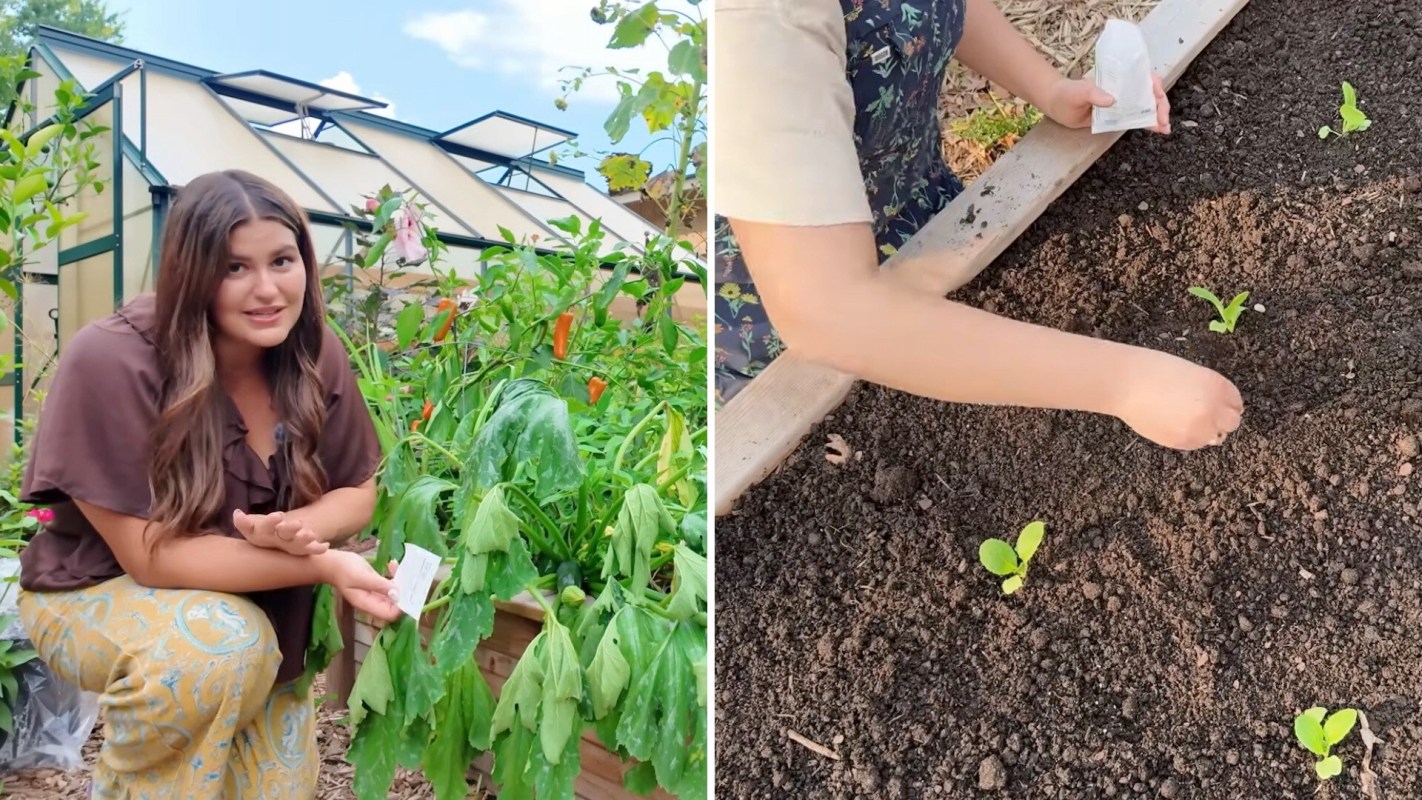
As peak summer heat wears on plants and people alike, gardening expert Meg Grows Plants (@meggrowsplants) explained on YouTube how gardeners can keep harvesting fresh food into cooler weather.
What's happening?
Meg acknowledged that it can be tempting to shut down gardening this time of year because of bugs; hot, humid conditions; and the generally "miserable month." But she said it's time to "lock in," as your garden will thank you in the autumn.
For gardeners targeting that fall harvest, Meg's video covers growing in containers, raised beds, and traditional in-ground plots, and she wrote that "August is actually one of the most important months of the year if you want a productive fall garden."
Among the suggested plantings were bush beans, snap peas, cucumbers, and summer squash as well as carrots, radishes, beets, chard, lettuce, herbs, and brassicas including broccoli, cauliflower, cabbage, collards, and Brussels sprouts.
That is a mix of quick-producing crops and cooler-season favorites. Meg also encouraged gardeners to use newly cleared areas from summer harvests for succession planting and to add flowers suited for fall.
TCD Picks » Quince Spotlight
💡These best-sellers from Quince deliver affordable, sustainable luxury for all




Why does it matter?
A productive fall garden can stretch grocery budgets at a time when fresh produce prices are often unpredictable. Sowing another round of beans, greens, root crops, or herbs can mean more meals built from ingredients you grew yourself instead of those bought at full retail price.
Homegrown lettuce, carrots, herbs, and peas are often harvested just before eating, which can translate to better flavor and texture than those of produce that traveled long distances to reach store shelves.
Gardening can also support physical and mental health, even as summer heat and sweltering conditions make it harder.
Even small-scale planting involves regular movement, time outdoors, and a routine that many growers find calming. A second planting season can help people stay active and connected to their food well beyond the height of summer.
Keeping gardens productive into fall can reduce waste by making use of existing beds, containers, soil, and watering systems.
What can I do?
Start by looking at your space and choosing crops that fit both your climate and your timeline. Fast-growing crops such as radishes, some lettuces, and many herbs can be good entry points, while brassicas and root vegetables can round out a fuller fall garden.
Succession planting is another useful strategy. If one crop has finished, that opening can become space for another. Gardeners do not necessarily need a large yard, either. Meg specifically noted that this can work in containers, raised beds, or in-ground gardens.
It can also help to focus on foods you buy often. Planting a few dependable staples can deliver the biggest savings and make home gardening more practical.

Get TCD's free newsletters for easy tips, smart advice, and a chance to earn $5,000 toward home upgrades. To see more stories like this one, change your Google preferences here.






