


Olla irrigation is a hassle-free and effective method of gardening, one wherein ceramic pots with lids and holes in the bottom, called ollas, are buried in soil to water crops with fibrous root systems.
Some viable plants for this method are squash, melons, chiles, and tomatoes, according to the University of California's Agriculture and Natural Resources department.
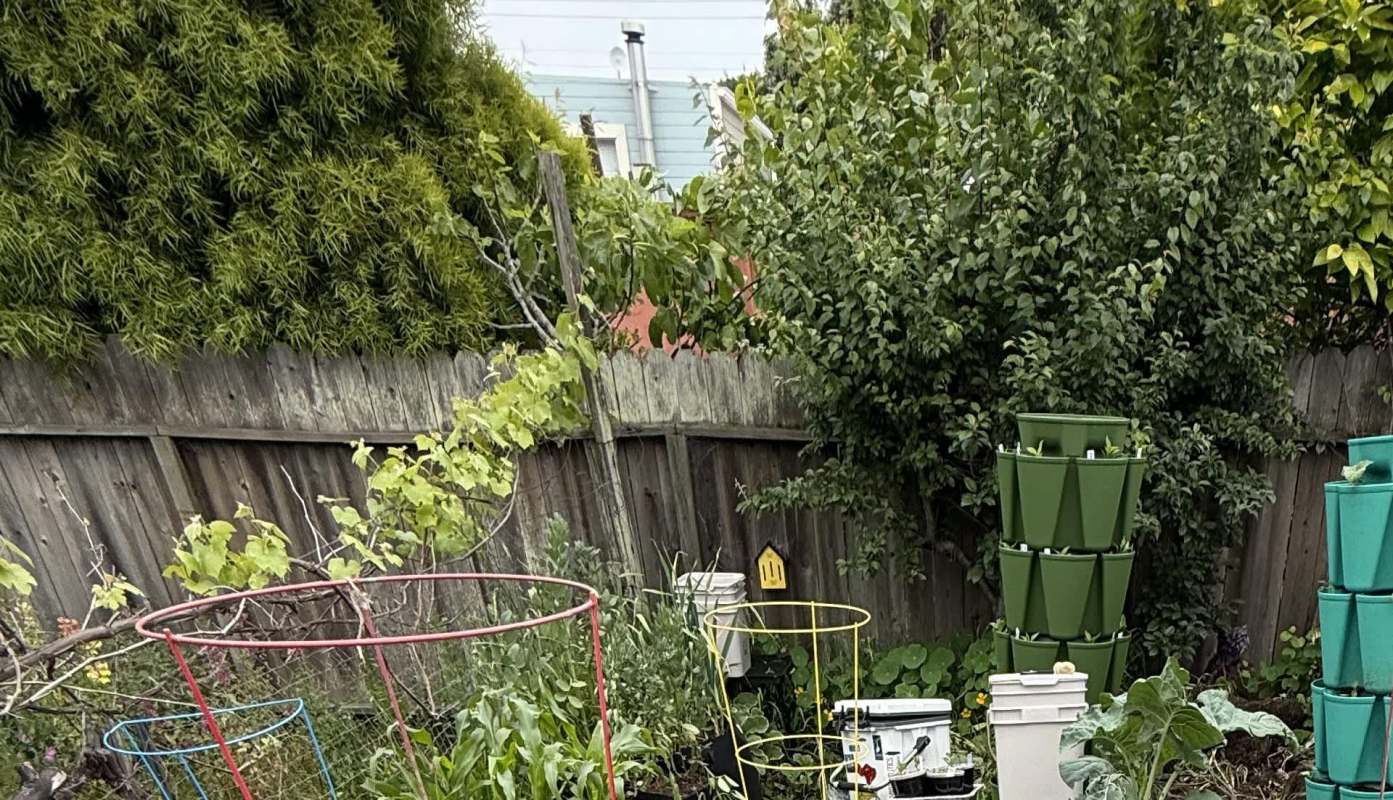
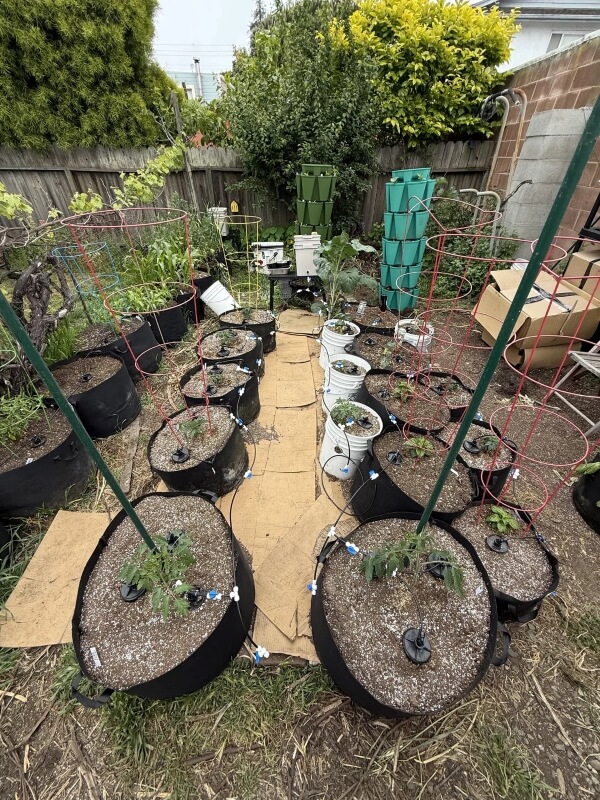
This ancient method is still used today, and one Reddit user showed off their olla garden on the subreddit r/tomatoes.
The scoop
"Olla system installed for my thirsty tomatoes. Hope this cuts down on watering this season," they said.
They shared a picture of the intricate potting and irrigation setup.
To practice olla irrigation, one must acquire an olla and bury it, leaving 1-2 inches above the soil, as the University of California explained. That keeps dirt and mulch from entering the pot, which should be packed tightly into the ground.
Ollas should be placed every 2-3 feet in the garden, and a drainer tray could be placed below them, depending on the soil depth. The olla should keep the top two inches of soil moist.
Consider marking them with rocks or flags so as not to lose them.
Put a lid atop the opening, as water will seep through the pot's pores to the plants. Ensure the ollas never lack water and fill them as needed.
How it's helping
The olla irrigation method is an ancient one. Early Greeks and Romans would water this way, according to a Thirsty Earth blog post.
TCD Picks » Quince Spotlight
💡These best-sellers from Quince deliver affordable, sustainable luxury for all




Watering your garden with ollas saves time and money as well as valuable water. Instead of watering daily, olla users only have to fill their units every seven days.
|
How much time do you spend taking care of the plants inside or outside your home? Click your choice to see results and speak your mind. |
 Several hours a week 🧑🌾
 Since the planet is experiencing more frequent extreme heat events, according to the Environmental Protection Agency, ollas can keep gardeners out of dangerous temperatures for prolonged periods of time.
What everyone's saying
Commenters were excited to learn about this ancient form of irrigation.
"Very interesting," one said.
Another asked, "What's the advantage compared to just using normal drip irrigation since you have tubing run to each plant anyway?"
The original poster responded, "Supposedly a large reduction in overall water usage due to improved retention, less evaporation pressure."

Join our free newsletter for easy tips to save more and waste less, and don't miss this cool list of easy ways to help yourself while helping the planet.
Cool Picks






