


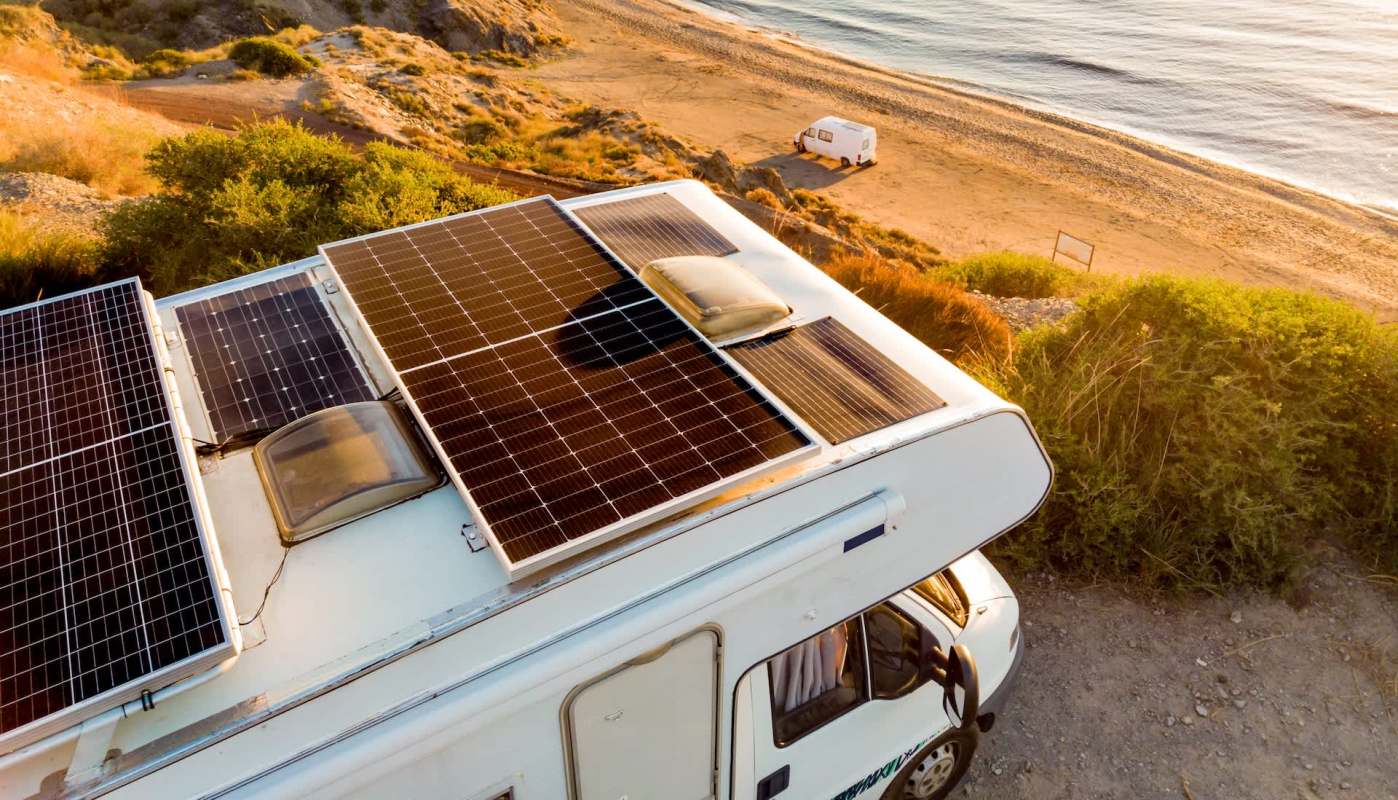
Rising utility bills and concerns about grid reliability are pushing more Americans to explore off-grid living.
EnergySage, an independent authority on rooftop solar, offers a comprehensive road map for anyone looking to create a self-sufficient home, covering everything from solar and battery systems to water sourcing, heating, cooling, and food production. Following its guide can help homeowners plan their transition, reduce costs, and build the skills needed for long-term energy independence.
Start with solar panels and battery storage
Energy independence starts with a robust solar system paired with reliable battery storage. According to EnergySage, solar prices dropped to $2.50 per watt in 2024, making rooftop solar more affordable than ever. Most off-grid homes need 8-15 kilowatts of solar and at least 60 kilowatt-hours of battery storage for consistent energy.
EnergySage's free tools can help compare quotes and estimate installation costs. With its guidance, homeowners can save up to $10,000 and make the most of state incentives using its solar mapping tool. But federal incentives for solar and battery storage expire at the end of 2025, so acting now can save you thousands of dollars.
Choose land wisely and secure water
EnergySage emphasizes selecting land that allows off-grid construction, has suitable soil for gardens and septic systems, and offers a reliable water source. Drilled wells are the most consistent option, with rainwater collection as a backup. It recommends storing at least one month of water in case of droughts or other natural disasters.
Design an efficient home
When thinking about the design of your home, efficiency should be a top consideration. EnergySage recommends focusing on insulation, passive solar design, and south-facing windows to reduce energy needs. Tiny homes, cabins, or even traditional houses can all work if built efficiently.
Plan waste, food, heating, cooling, and communication systems
Systems will be at the core of your off-grid home. Composting toilets or septic systems can manage waste, while gray water can irrigate gardens. Gardens, greenhouses, or small livestock provide food independence. Wood stoves and propane heaters can be utilized for backup heating, while passive cooling strategies and heat pumps can reduce your energy usage and lower your electricity bills.
EnergySage also offers a free heat pump comparison tool to help homeowners find the right system for their home and budget. Many off-gridders use satellite internet, cellular boosters, or ham radios to stay connected and safe while living remotely.
Save $10,000 on solar panels without even sharing your phone number Want to go solar but not sure who to trust? EnergySage has your back with free and transparent quotes from fully vetted providers that can help you save as much as $10k on installation. To get started, just answer a few questions about your home — no phone number required. Within a day or two, EnergySage will email you the best local options for your needs, and their expert advisers can help you compare quotes and pick a winner. |

Budget and emergency planning
Setup costs for an off-grid home can range from $5,000 to $50,000 or more, depending on where you live and the systems you want to build. Beyond upfront costs, EnergySage advises maintaining an emergency fund and exploring additional income streams to cover unexpected expenses.
|
Are you currently using solar power in your home?
Click your choice to see results and speak your mind. |
 Heck yes 😎
Join our free newsletter for easy tips to save more and waste less, and don't miss this cool list of easy ways to help yourself while helping the planet.
Cool Picks


