A homeowner's simple question about their tree care setup on r/arborists turned into an eye-opening lesson about landscaping errors that waste money and threaten tree health.
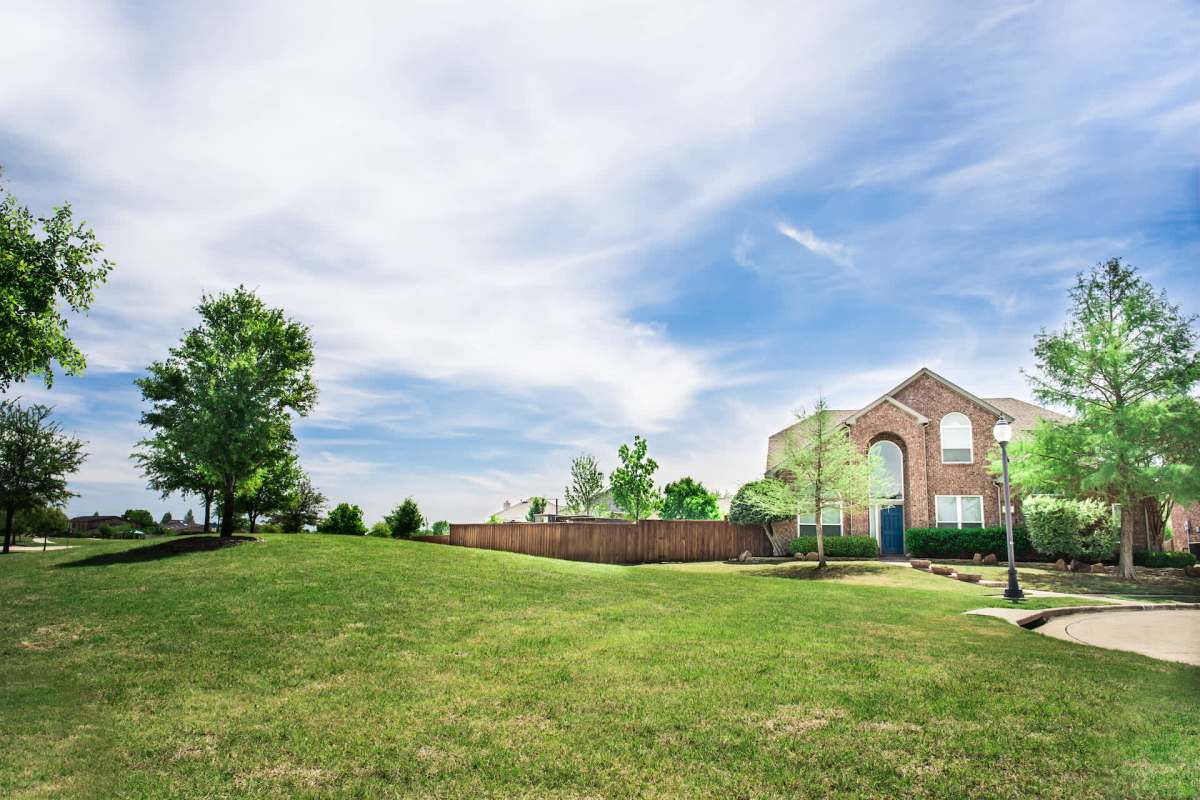
The Redditor shared a photo of their front yard tree surrounded by a decorative stone border filled with mulch piled high around the trunk. They asked whether the arrangement could harm the tree, explaining that they'd added drainage rocks at the bottom before filling it with mulch and would occasionally rotate the material.

The image shows what arborists call a mulch volcano: mulch stacked against a tree trunk in a cone shape. While it may look tidy, this setup creates serious problems for the tree and quickly depletes your landscaping budget.
When mulch sits right against tree bark, it traps moisture and invites decay. The trunk needs air circulation to stay healthy.
Commenters quickly pointed out that "anything touching the trunk will cause the trunk to decay." The bark wasn't designed to handle constant moisture, and rot can spread into the tree's core over time.
Mulch volcanoes also encourage roots to grow up into the mulch instead of spreading outward through the soil.
Perk up the winter blues with natural, hemp-derived gummies Camino's hemp-derived gummies naturally support balance and recovery without disrupting your routine, so you can enjoy reliable, consistent dosing without guesswork or habit-forming ingredients. Flavors like sparkling pear for social events and tropical-burst for recovery deliver a sophisticated, elevated taste experience — and orchard peach for balance offers everyday support for managing stress while staying clear-headed and elevated.
Learn more → |

One commenter shared their experience removing a similar stone ring: "I found massive circling roots and girdling roots." These abnormal growth patterns strangle the tree from within, cutting off nutrients and water.
A commenter identified the tree as a Bradford pear, writing, "Yes, the Bradford pear is an invasive species that has spread rapidly across North America, disrupting ecosystems by outcompeting native plants and forming dense, impenetrable thickets."
The homeowner replied, "I had no idea, I bought my house this year and the tree was already there and there is another one in the backyard."
Native plants cost less to maintain than invasive ones. They need less water, which cuts utility bills, and they don't require the constant mowing and fertilizing that grass demands. Native plants also support local pollinators like bees and butterflies, which protect our food supply by pollinating crops.
TCD Picks » Upway Spotlight
💡Upway makes it easy to find discounts of up to 60% on premium e-bike brands





|
What's the hardest thing about taking care of your yard? Click your choice to see results and speak your mind. |
 Mowing the lawn 🏡
 You don't need to replace your entire lawn to see benefits. Options like clover, buffalo grass, or native wildflowers can fill in sections of your yard. Xeriscaping, using rocks and drought-tolerant plants, works well in dry climates. Even swapping out a portion of your grass saves time and money while creating habitat for beneficial insects.

Join our free newsletter for easy tips to save more and waste less, and don't miss this cool list of easy ways to help yourself while helping the planet.
Cool Picks