


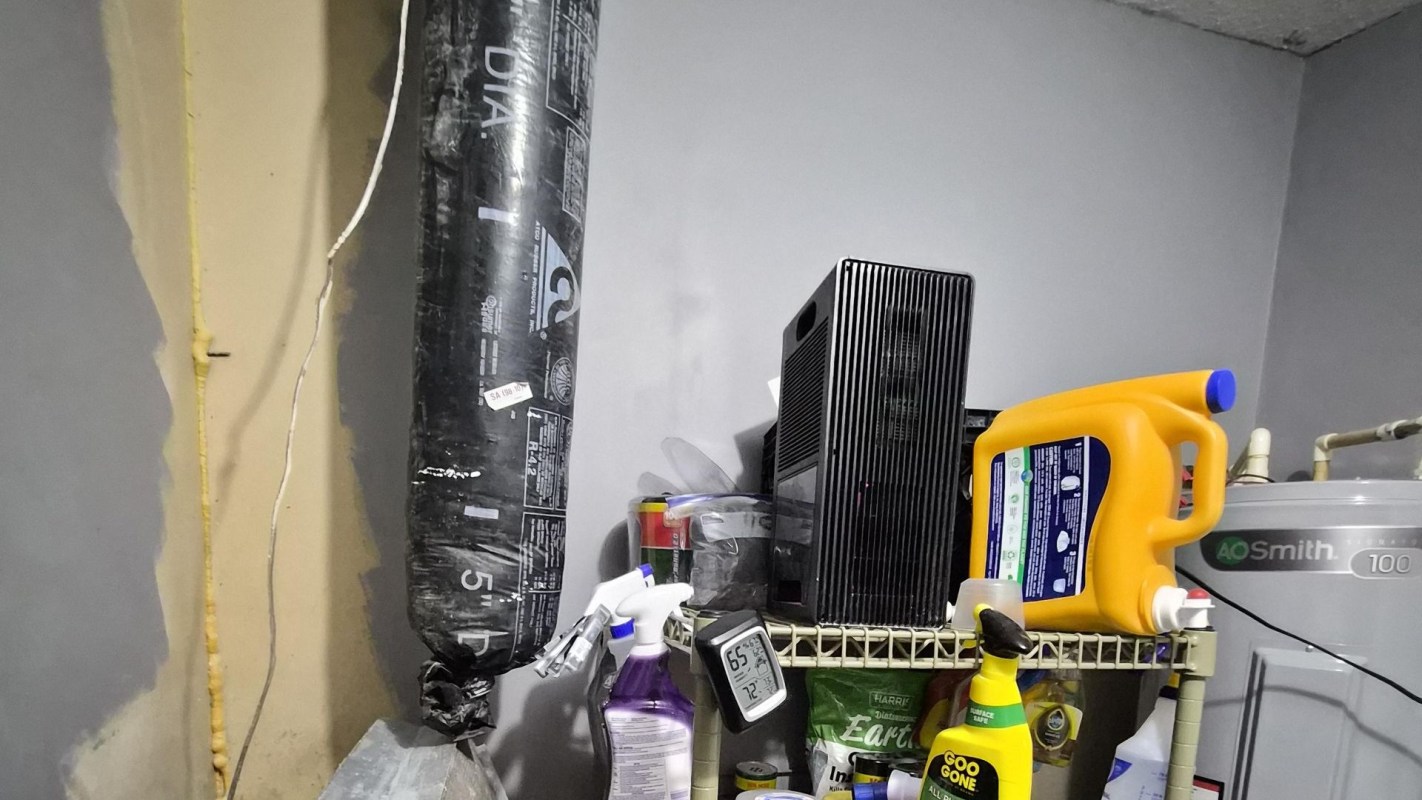
Years of drywall replacement and mold cleanup in a neglected 1990s double-wide have led one homeowner to question an old HVAC workaround. A duct was tied off during an attempt to address weak airflow at the far end of the home, but the resident suspects that decision may have limited circulation elsewhere and contributed to ongoing moisture trouble.
With concern also growing over a possible roof leak, the resident is asking whether that change solved anything at all or simply created bigger problems.
Here's what to know
Writing in a post on Reddit, the homeowner said the home's HVAC system had caused issues for years, including a period when it "didn't get air all the way to the other end of the house."
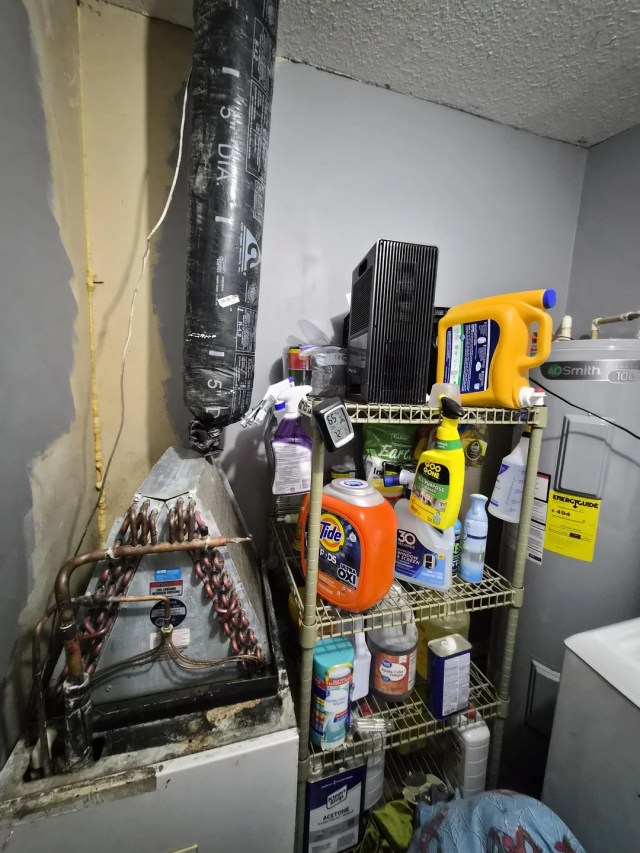
According to the post, the homeowner's father, who previously lived there, and a service technician responded by tying off a duct so it would not "let in air." The father likened the idea to using recirculate mode in a car, but the homeowner worries that change may have reduced airflow through the narrow space above the ceiling.
Those doubts come after a long fight with moisture. The resident said mold has repeatedly led to deep cleaning and drywall replacement, and that it is "crawling from the edges of one room," raising concern about a possible roof leak.
More background
In older manufactured homes, airflow issues can be especially difficult because ductwork often runs through tight, hard-to-reach spaces beneath the home or inside narrow cavities. If air escapes before reaching distant rooms, the system can struggle to keep the whole home comfortable.
TCD Picks » Quince Spotlight
💡These best-sellers from Quince deliver affordable, sustainable luxury for all




A tied-off duct may temporarily redirect more air somewhere else, but it does not necessarily fix damaged ductwork, pressure imbalances, insulation gaps, or moisture intrusion. A patch like that can also make the system harder to diagnose properly later.
Mold adds another layer of concern because it can be tied to more than one issue at once. A roof leak, trapped humidity, poor ventilation, and cold surfaces that collect condensation can all contribute, meaning the homeowner may be dealing with overlapping problems rather than one simple cause.
The apparent savings from avoiding a full inspection can quickly disappear if the result is repeated cleaning, damaged drywall, wasted heating and cooling, and larger remediation costs.
What can be done?
The system needs to be evaluated as a whole instead of patched again. That usually means having a licensed HVAC contractor inspect the ductwork for leaks, crushed sections, disconnected runs, and improper airflow changes, including the tied duct itself.
Because the homeowner also suspects water intrusion, a separate roof inspection is important. If moisture is getting in from above, restoring airflow alone will not solve the mold problem.
If mold is spreading, documenting where it appears and when it gets worse can help narrow down whether the source is a leak, condensation, or both. In more severe cases, a mold remediation professional may be needed before cosmetic fixes such as repainting or replacing drywall.
Better airflow can help rooms reach the desired temperature more efficiently, while sealed ducts and controlled moisture can keep homeowners from paying to heat or cool the wrong spaces — and from paying repeatedly for cleanup.

Get TCD's free newsletters for easy tips, smart advice, and a chance to earn $5,000 toward home upgrades. To see more stories like this one, change your Google preferences here.






