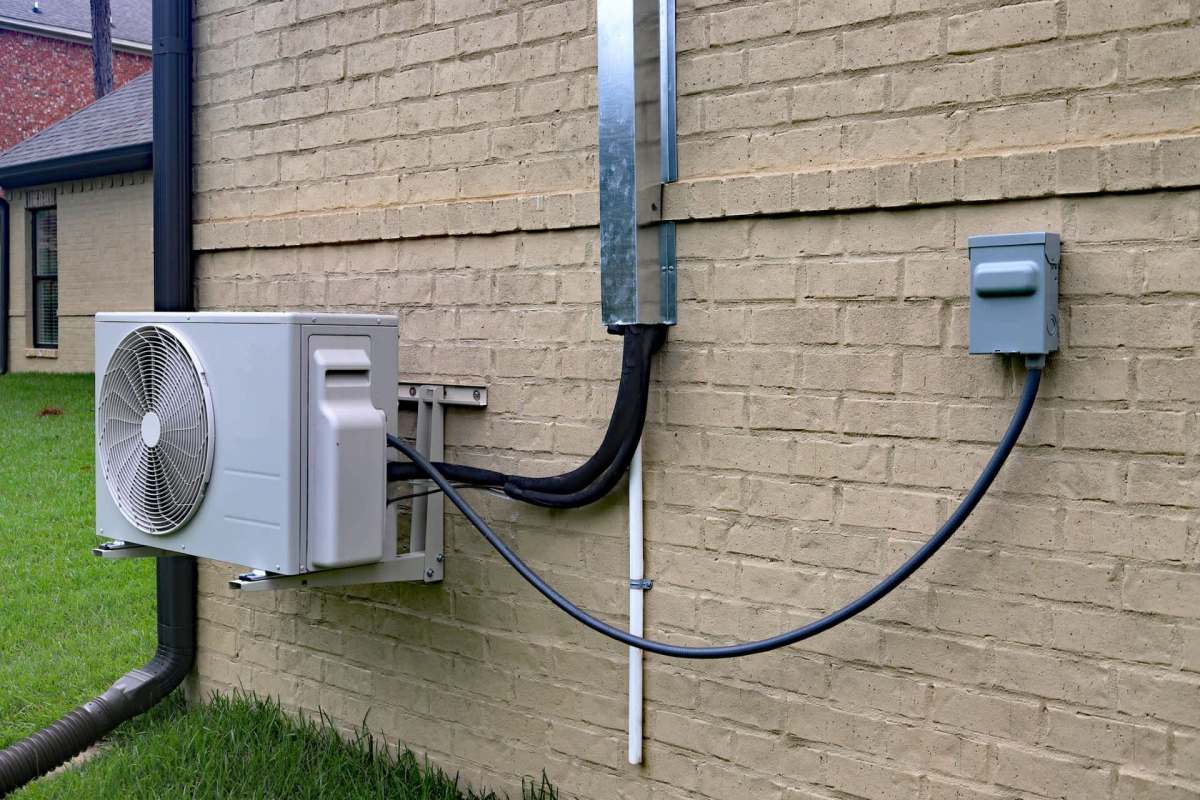
On Reddit, a budget-conscious homeowner asked a question that likely sounds familiar to many first-time solar shoppers: If mini-splits account for most of a home's electricity use, can those units be separated from the main panel and powered only by solar and batteries?
The responses pointed to a different solution that is often simpler and cheaper. Instead of creating a separate setup just for heating and cooling, it may make more sense to install solar that offsets the household's overall power use.
Here's what to know
The original poster said their 1,500-square-foot home relies entirely on mini-splits for heating and cooling and asked, "Question is: how would we take those off of our panel and have them run solely off of solar/battery? Is this even possible?"
While commenters said that kind of arrangement can be built, most described it as less practical and less cost-effective.
"The solar panels are going to produce whatever they're going to produce. There's nothing special about the electricity that goes to the mini-splits versus the rest of the house… Installing a system that only partially offsets your usage is something that is done all the time," one commenter explained.
Put another way, homeowners can still lower their electric bills with solar without separating out a single appliance or circuit.
For households looking to reduce utility costs, going solar is one of the best ways to save money on home energy, even if the system does not cover every load in the house. You can use EnergySage to get free solar installation estimates and compare quotes.
More background
Solar savings come from lowering total electricity bought from the grid, not from assigning panels to a particular device. If a system covers part of a home's daily power demand, it can reduce grid purchases no matter which appliances are running.
Save $10,000 on solar panels without even sharing your phone number Want to go solar but not sure who to trust? EnergySage has your back with free and transparent quotes from fully vetted providers that can help you save as much as $10k on installation. To get started, just answer a few questions about your home — no phone number required. Within a day or two, EnergySage will email you the best local options for your needs, and their expert advisers can help you compare quotes and pick a winner. |

Because the homeowner said they live in Maine, several commenters focused on net metering as a major factor. In that grid-tied setup, extra daytime generation can offset power used later, which may reduce the need for a large battery bank.
Battery storage is often one of the most expensive parts of a solar installation. Creating a dedicated off-grid or mini-split-only battery system can mean more equipment, added electrical work, and a longer payoff period than a standard grid-connected system designed to cut the home's total bill.
What can be done?
For homeowners in a similar situation, a common starting point is to review utility interconnection and net-metering rules and then look closely at actual household electricity use. From there, a reputable installer or electrician can help compare the economics of a smaller grid-tied system, a whole-home backup design, or a battery add-on.
With EnergySage's help, the average person can save up to $10,000 on solar purchases and installations. EnergySage's solar map also shows the average cost of a home solar panel system by state, along with details on solar panel incentives for each state. Together, those resources can help homeowners get the best price for rooftop solar panels and access available incentives.
More From EnergySage
💡Go deep on the latest news and trends shaping the residential solar landscape

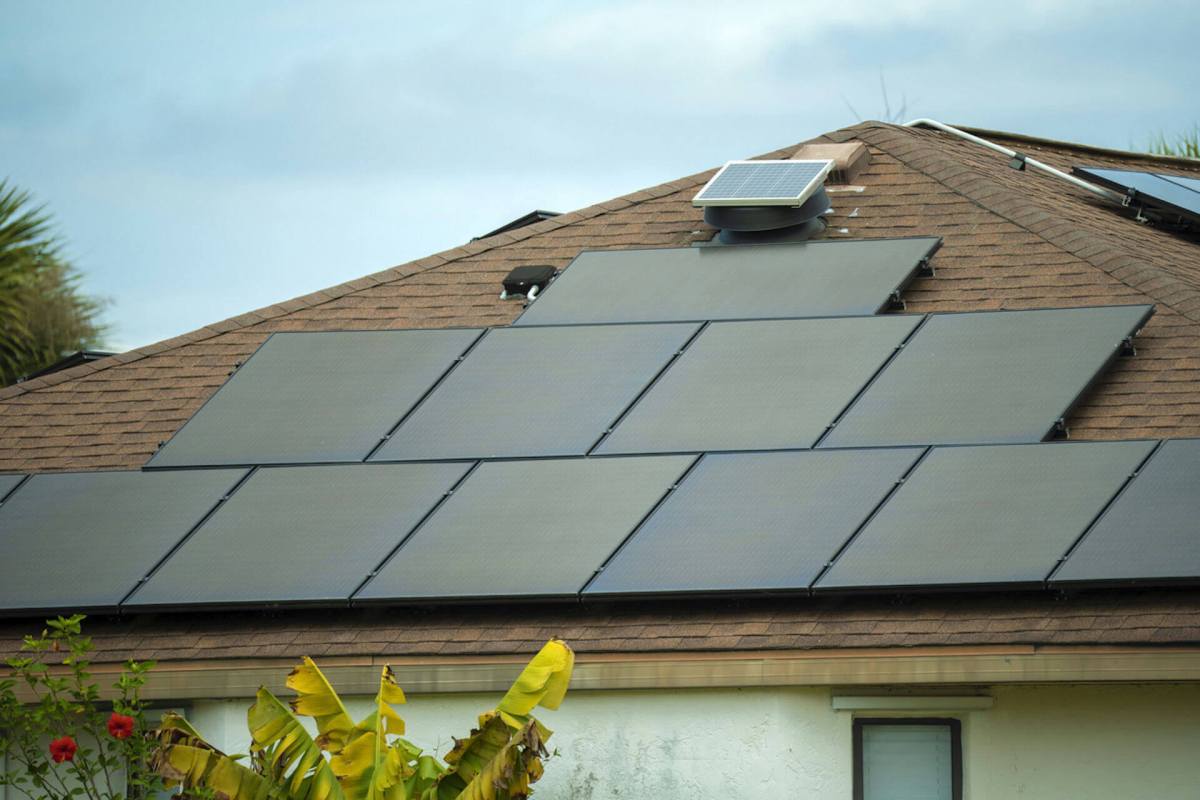

Adding battery storage to a solar setup is one of the best ways to protect your home during outages, save money on energy, and go off grid. It can also help keep critical systems running when the grid is down. You can explore EnergySage for information about home battery storage options, including competitive installation estimates.
Where can I learn more?
These stories look at how homeowners are using solar alongside mini-splits, backup batteries, and net metering. They also show what those setups meant for energy bills in practice.
• On Cape Cod, solar paired with mini-splits and net metering left one homeowner 4,100 kWh ahead.
• In Australia, a 20kW solar setup made blackouts invisible and delivered a $545 credit.
• During 90-degree heat, rooftop solar powered whole-house AC and two EVs with energy left over.
• In Connecticut, a mini-split could wipe out 200 gallons of oil.

Get TCD's free newsletters for easy tips, smart advice, and a chance to earn $5,000 toward home upgrades. To see more stories like this one, change your Google preferences here.