


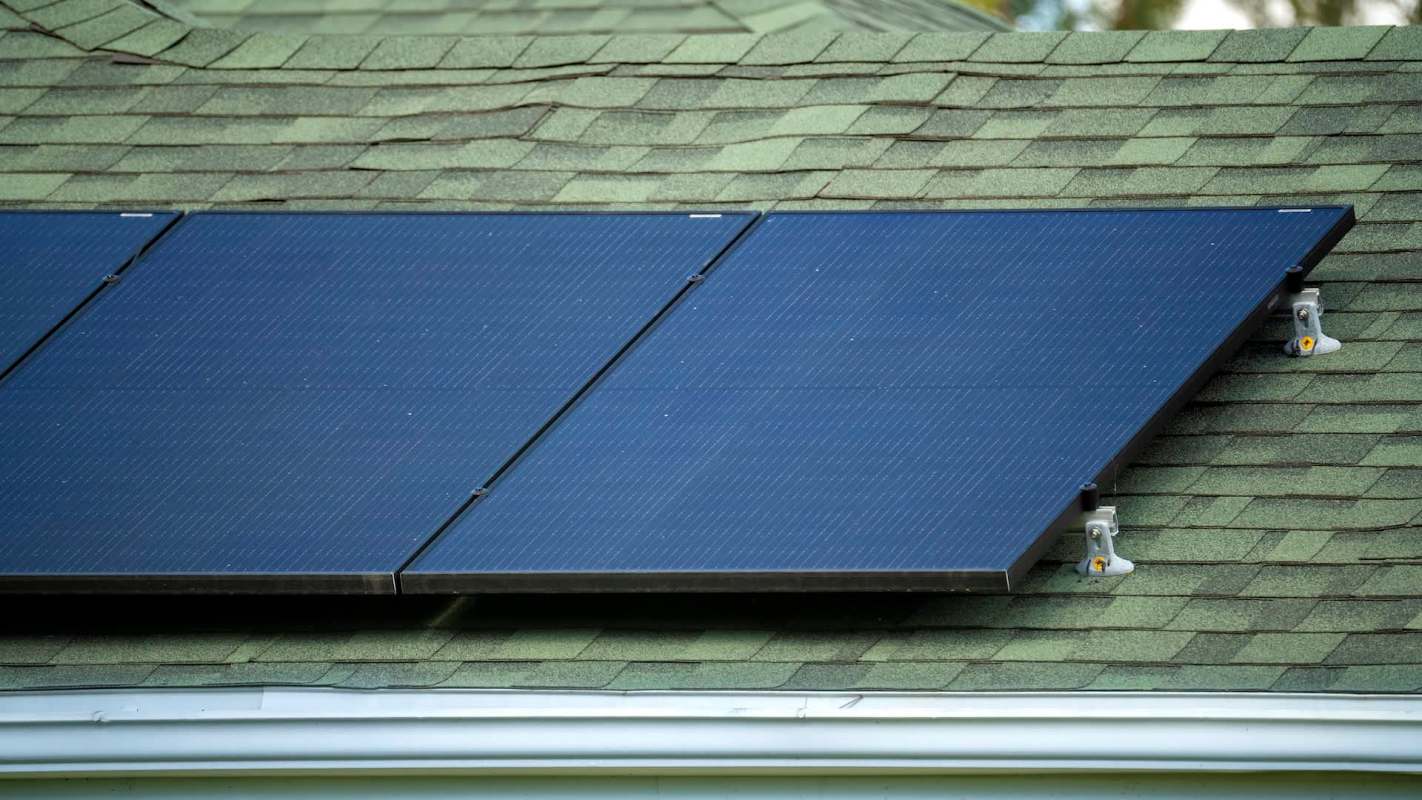
One Cape Cod homeowner has shared the details of their recently installed rooftop solar array, showing how the installation would significantly cut energy costs.
What's happening?
The solar enthusiast and Reddit user from the Cape Cod area of Massachusetts said the home's south-facing roof with no tree cover appears to be putting the new solar setup on track to beat the household's annual power demand.
The original poster wrote, "My 9kw system, five weeks after installation. [I'm] pretty happy so far."
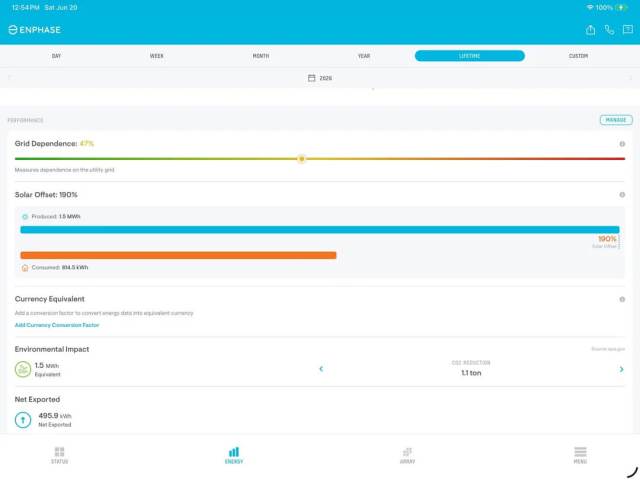
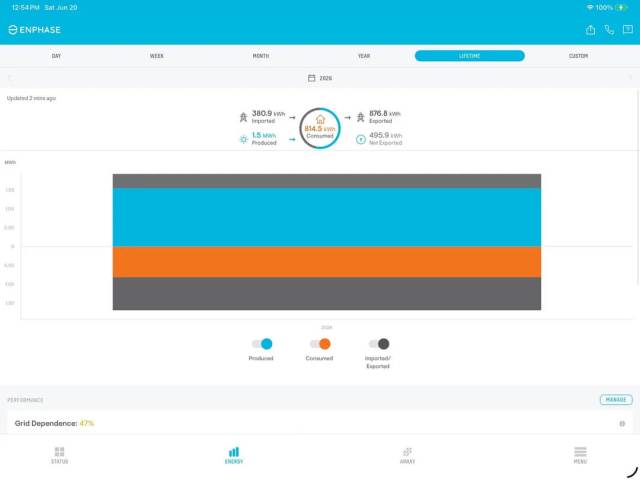
In a comment further down in the thread, the OP added that their home uses mini-split HVACs for heating and cooling, includes an EV charging station for their Prius, but still relies on an oil boiler for occasional heat.
To explain the estimate of producing more electricity than they'd consume, the homeowner shared both last year's usage and the expected solar output, writing: "Last year I used 7,909 [kWh], average of 659 per month. PVWatts said I'll produce 12,000 kWh so I'm positive over 4,100."
When asked about how the system works in Massachusetts, the homeowner, whose username implies they are a dad,]
TCD Picks » Quince Spotlight
💡These best-sellers from Quince deliver affordable, sustainable luxury for all




said, "Yes 1 to 1 net metering in Massachusetts." The homeowner then added, "sadly my rec credits suck - maybe 500 bucks a year." The homeowner also added, "I paid cash and bought my system outright from a local installer."
After seeing their surplus potential energy, one commenter wrote, "Time to buy 2 EVs or change to [a whole-home] heat pump." Another added, "A hybrid heat pump makes a nice addition to solar."
What can I do?
If you're interested in benefiting from solar panels, like the OP, consider your options. If purchasing the panels is your goal, check out EnergySage's free resources, including installation estimates from vetted solar installers.
The average person who uses EnergySage's free resources can save up to $10,000 on solar installations.
But still, the upfront costs of going solar are prohibitive for many. If a solar subscription program is more your speed, consider Palmetto's LightReach leasing plan, which is offered for no money down and can lower your monthly utility rate by up to 20%.

Get TCD's free newsletters for easy tips, smart advice, and a chance to earn $5,000 toward home upgrades. To see more stories like this one, change your Google preferences here.






