


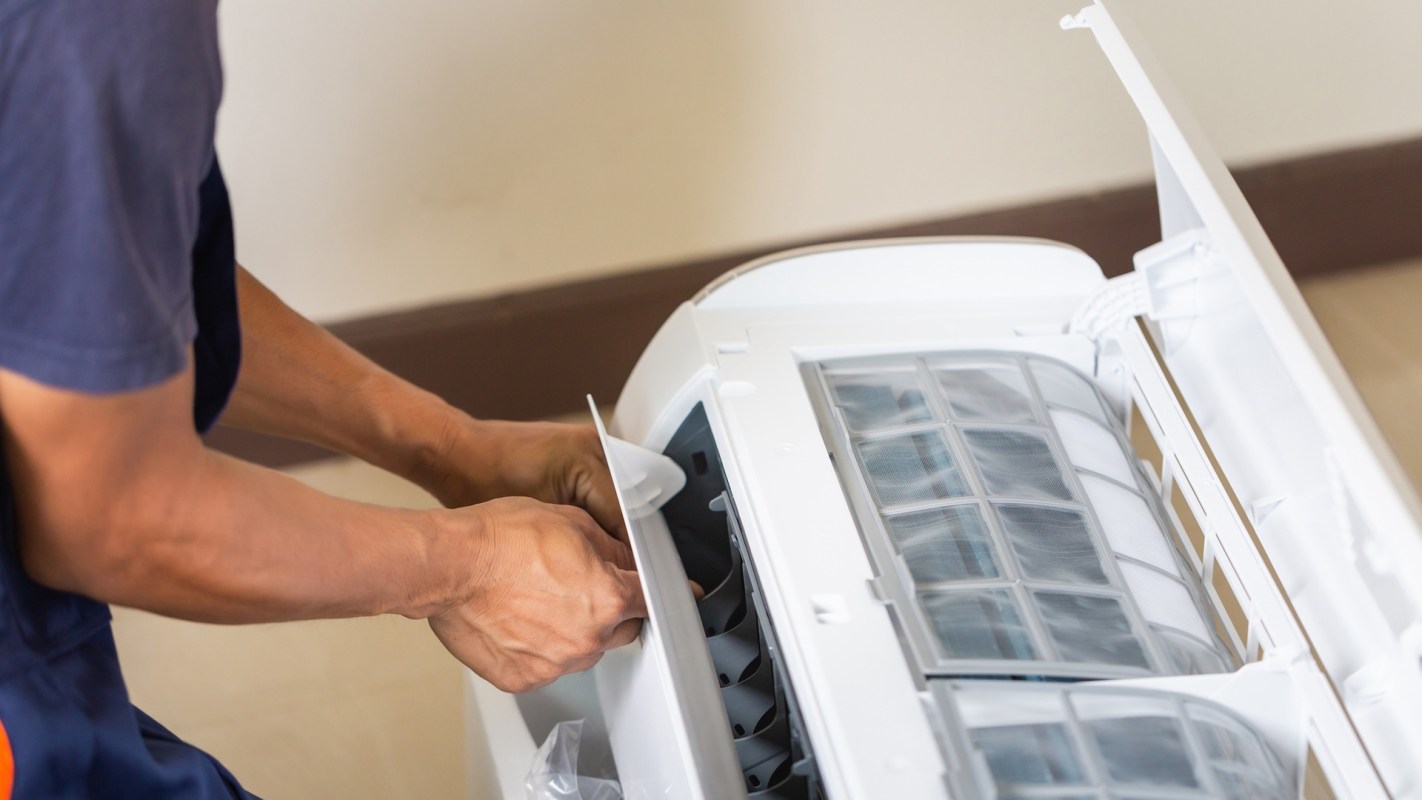
A homeowner trying to buy a mini-split for one room expected to pay around $1,000 for the unit. Instead, they told the r/heatpumps subreddit that installation quotes came back at $4,000 to $4,600.
That gap quickly sparked outrage and a flood of firsthand stories that pointed to a bigger issue of exorbitant upfront costs for cleaner home electrification.
What's happening?
On Reddit, one user began by saying "the heat is getting unbearable lately." They explained that the mini-split they wanted, priced at about $800 to $1,300, was followed by install estimates several thousand dollars higher.
"My understanding is that a day is needed of labor which means I'm paying around $3,000 just for 8 hours of labor?" they offered.
The homeowner then revealed they were considering a self-installation, as the estimates were "crazy" in their eyes.
Within roughly a day, the thread had topped 300 comments, with the conversation shifting from one homeowner's surprise to a wider fight over what HVAC and heat-pump work costs in the United States.
TCD Picks » Quince Spotlight
💡These best-sellers from Quince deliver affordable, sustainable luxury for all




For some readers, those numbers sounded familiar. Multiple commenters said they paid over $20K for larger systems.
Why does it matter?
Mini-splits are one of the most practical ways for households to electrify heating and cooling. They can heat and cool a specific room or zone without requiring new ductwork, which is a major reason they appeal to renters, homeowners with additions, and anyone trying to avoid the cost of replacing a full central system.
They can also help people use less energy by conditioning only the spaces they actually use rather than the whole house.
In the Reddit discussion, the affordability problem was tied to several possible drivers, including warranty concerns, hidden equipment costs, rebate-driven price inflation, and a lack of transparent quotes.
"Supply and demand, basically," a user wrote. "They can charge that much because others aren't charging less and people keep taking them up on it out of desperation."
A cleaner, more efficient option can still feel financially out of reach if installers are charging a premium to do the work.
What can I do?
A detailed breakdown before comparing bids should include the exact equipment model, labor hours, line-set length, mounting hardware, permits, startup and testing, and whether electrical work is included or billed separately.
It also helps to get multiple quotes from contractors who regularly install heat pumps, not just general HVAC replacements. A high bid may reflect real complexity, but it may also reflect a contractor who is too busy to want the job. Transparent bids make that easier to spot.
DIY installation may look tempting, especially for a single-room system, but there are real risks around electrical work, refrigerant handling, drainage, code compliance, and warranty coverage.
"Installing can suck, you could mess it up," a user wrote. "You are paying for all that to go away. You just hand someone money and it's done."
For shoppers set on going electric, a better middle ground is often to compare several installers, ask about incentives, and focus on right-sizing the system so they are not paying for more capacity than they need.

Get TCD's free newsletters for easy tips, smart advice, and a chance to earn $5,000 toward home upgrades. To see more stories like this one, change your Google preferences here.






