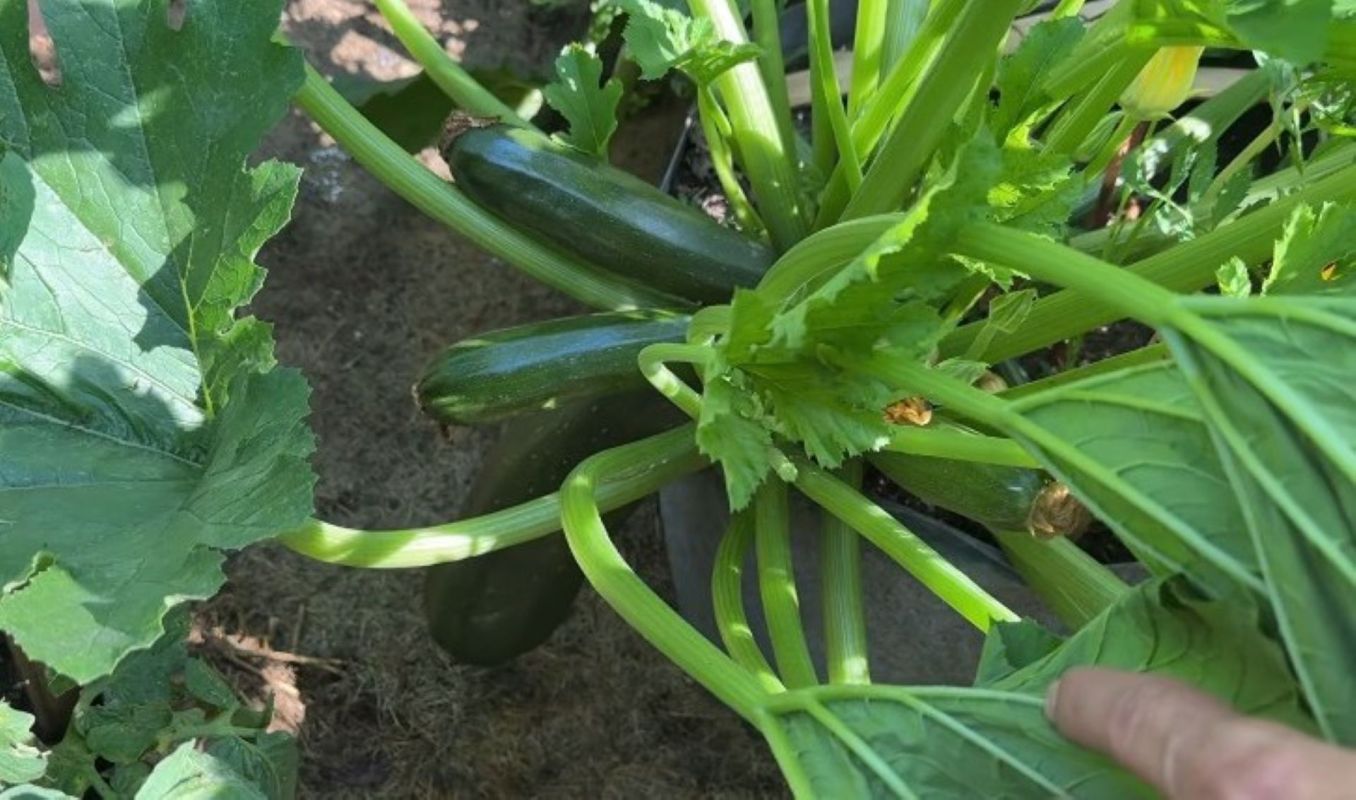
Early August does not always mean the best of the garden is behind you. A Maryland gardener argues that a fresh round of zucchini, cucumbers, and tomatoes can, in some cases, end up looking stronger than the plants that went in first.
What's happening?
During an August 10 garden tour, a creator from The Rusted Garden Homestead highlighted crops planted on June 26 that were thriving. In Rusted Garden Homestead, the main lesson was to plant in stages instead of setting out everything at one time and trying to push stressed plants through the hottest part of the season.
Among the examples were a tomato transplant that had reached roughly 6 feet, a zucchini growing in a 20-gallon fabric pot with multiple fruits ready to pick, and a cucumber plant filling a 10-gallon container.
He said, "The point is later planting dates."
That came after showing older crops that started in May that were still producing but looked rougher from heat, disease, and insect damage.
Why does it matter?
Spacing plantings out can keep harvests going for longer. Even a small number of productive tomato, pepper, cucumber, or zucchini plants can trim grocery spending while delivering produce that tastes fresher and more flavorful than many store-bought options.
TCD Picks » Quince Spotlight
💡These best-sellers from Quince deliver affordable, sustainable luxury for all




One reason the timing can help is that summer vegetables often run into intense heat, humidity, and pest issues. The creator said later plantings may avoid some of the most serious disease and insect pressure, and tomatoes in particular can establish faster in warm soil than they do in cool spring ground.
Gardening can also support both mental and physical well-being by providing light exercise, time outside, and a rewarding routine.
One commenter said, "Thanks, Gary, you are right about staggering the plants. I have learned my lesson with tomatoes, planting everything at once. Time to change things."
What can I do?
Gardeners do not have to treat spring as the only time to start summer vegetables. Depending on your growing zone and first frost date, fast-growing crops like zucchini and cucumbers can often be direct-seeded more than once.
His example was to plant zucchini on May 1, then sow it again in mid-June and, where conditions allow, once more in mid-July. Tomatoes, peppers, and eggplants usually need a longer season, so later rounds are more likely to succeed when started from transplants rather than seed.
One user said, "When in doubt, just pull the sad-looking ones and start anew as you said, Gary."

Get TCD's free newsletters for easy tips, smart advice, and a chance to earn $5,000 toward home upgrades. To see more stories like this one, change your Google preferences here.