


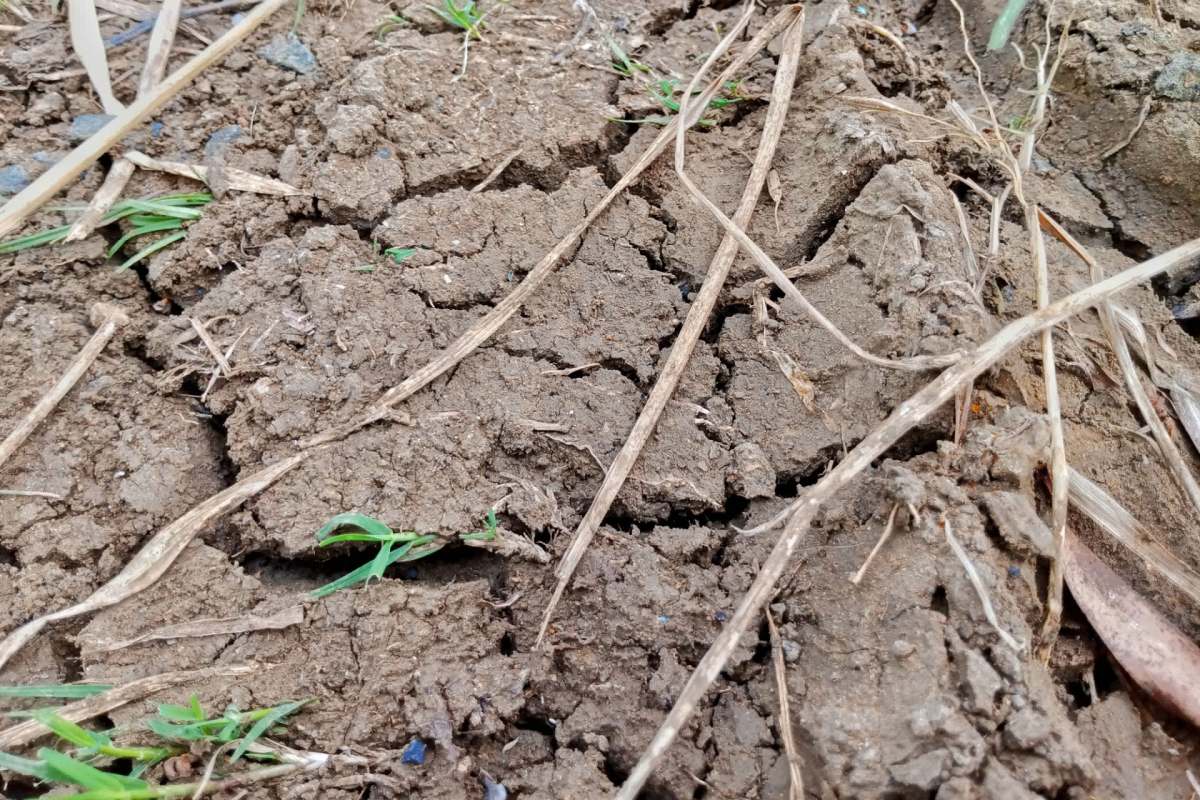
A frustrated gardener took to Reddit to share their unexpected struggle with rejuvenating a flower bed, only to discover layers of landscape fabric buried under compacted, unhealthy soil.
The post sparked a conversation over the long-term effectiveness of landscape fabric.
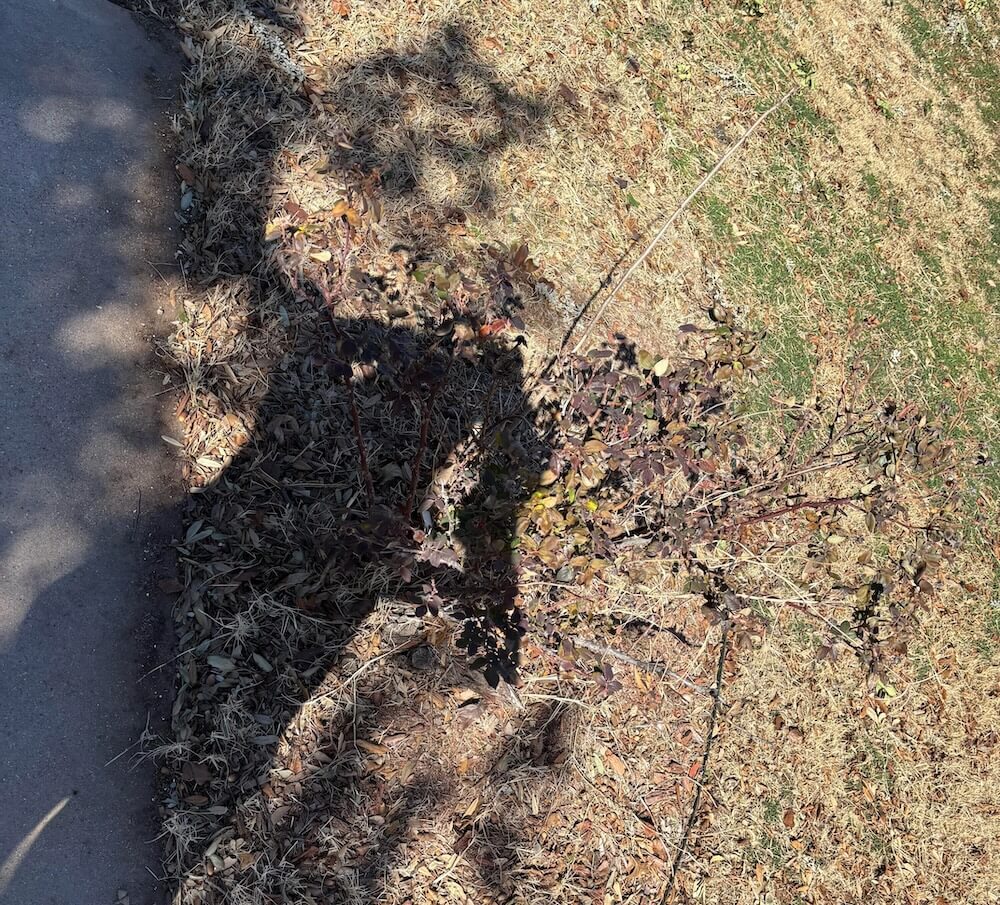

The gardener described their shock after removing landscape fabric that had been placed under mulch. Instead of keeping weeds at bay and enriching the soil, the fabric had led to severe soil depletion, compacting the earth into a near-unworkable state.
"Also the things I found in these flower beds were awful. Lots of pieces of plastic, bottles, metal pieces, and even roof shingles," the gardener said.
Landscape fabric is often marketed as a low-maintenance solution to weed control, but as many gardeners have found, it tends to do more harm than good in the long run.
Over time, the fabric suffocates the soil beneath it, preventing essential water, nutrients, and beneficial organisms from properly moving through. Instead of stopping weeds, it often traps plant debris on top, creating a new layer where weeds can still take root.
For those looking to maintain a healthy yard, experts recommend skipping landscape fabric altogether and instead opting for natural alternatives such as thick layers of mulch, compost, and cover crops.
Also, gardeners should transition to natural lawns, which means planting things that would most enrich the soil and have the best chance at thriving in your garden. Additionally, these natural gardens can bring in pollinators, helping the environment sustain itself for years to come.
Many commenters sympathized with the new gardener's troubles, offering advice on how to best handle their poorly inherited garden.
One commenter suggested a "lazy method": "Get enough garden soil (NOT raised bed soil), chicken manure and worm castings (bag ratio 4-1-1) to cover your planting area in ~2-3 inches of the mix. Water liberally for a week to 10 days, then plant what you want and use the first year as a learning experience."
TCD Picks » Quince Spotlight
💡These best-sellers from Quince deliver affordable, sustainable luxury for all




|
What's the hardest thing about taking care of your yard? Click your choice to see results and speak your mind. |
 Mowing the lawn 🏡
 "Worms do wonders for soil. This is the perfect time of year to do that. The Worm Moon is coming soon. If you throw some soil on top, you can probably grow some sweet peas from seeds," another user recommended.
As more gardeners share their struggles online, the conversation around sustainable yard care continues to grow, encouraging homeowners to ditch synthetic solutions in favor of natural, long-term fixes.

Join our free newsletter for easy tips to save more and waste less, and don't miss this cool list of easy ways to help yourself while helping the planet.
Cool Picks






