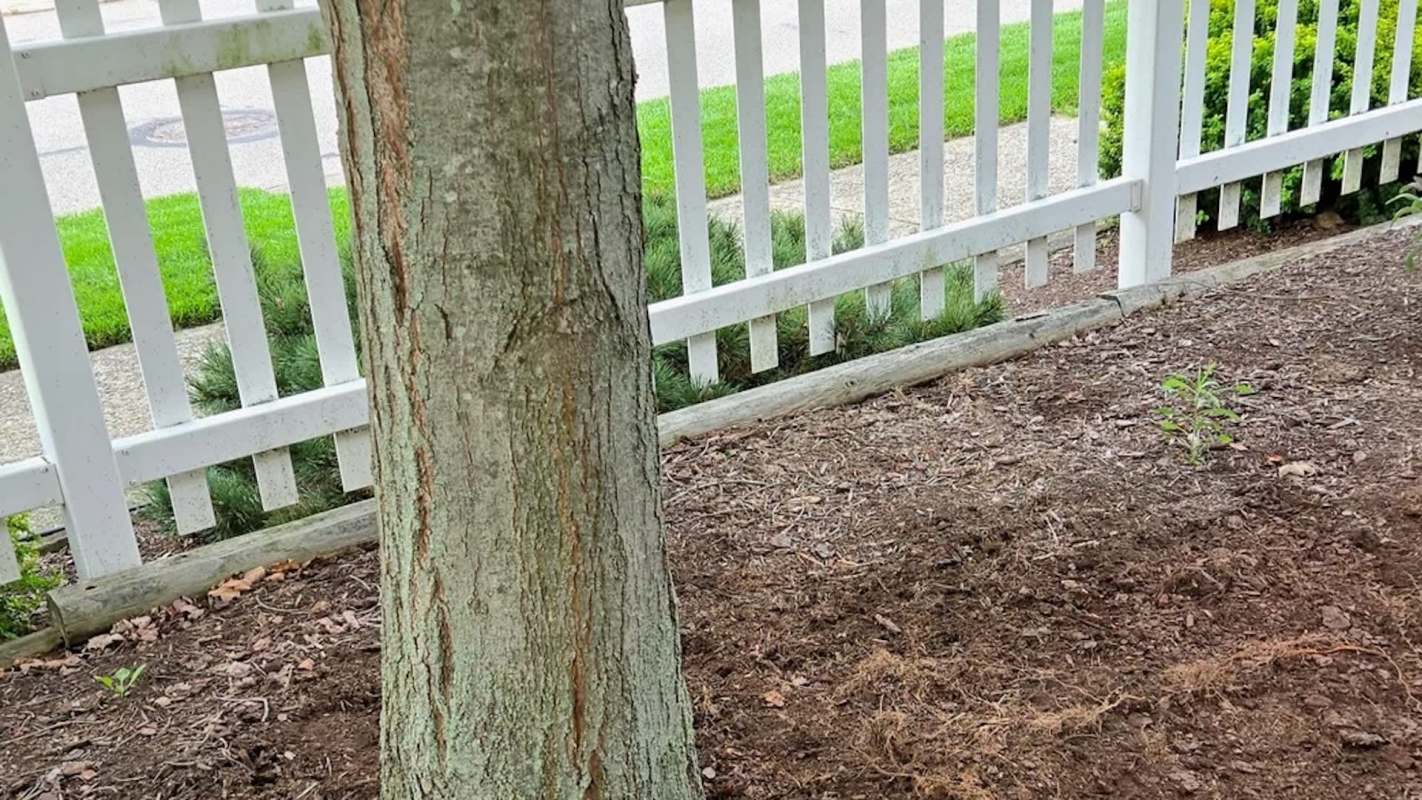
A homeowner in Ohio shared a frustrating problem many gardeners eventually encounter: landscape fabric concealed under layers of mulch.
What they found was alarming enough to spark an outpouring of advice from fellow gardeners in the r/Tree subreddit, as well as a sharp warning against the popular yard product.
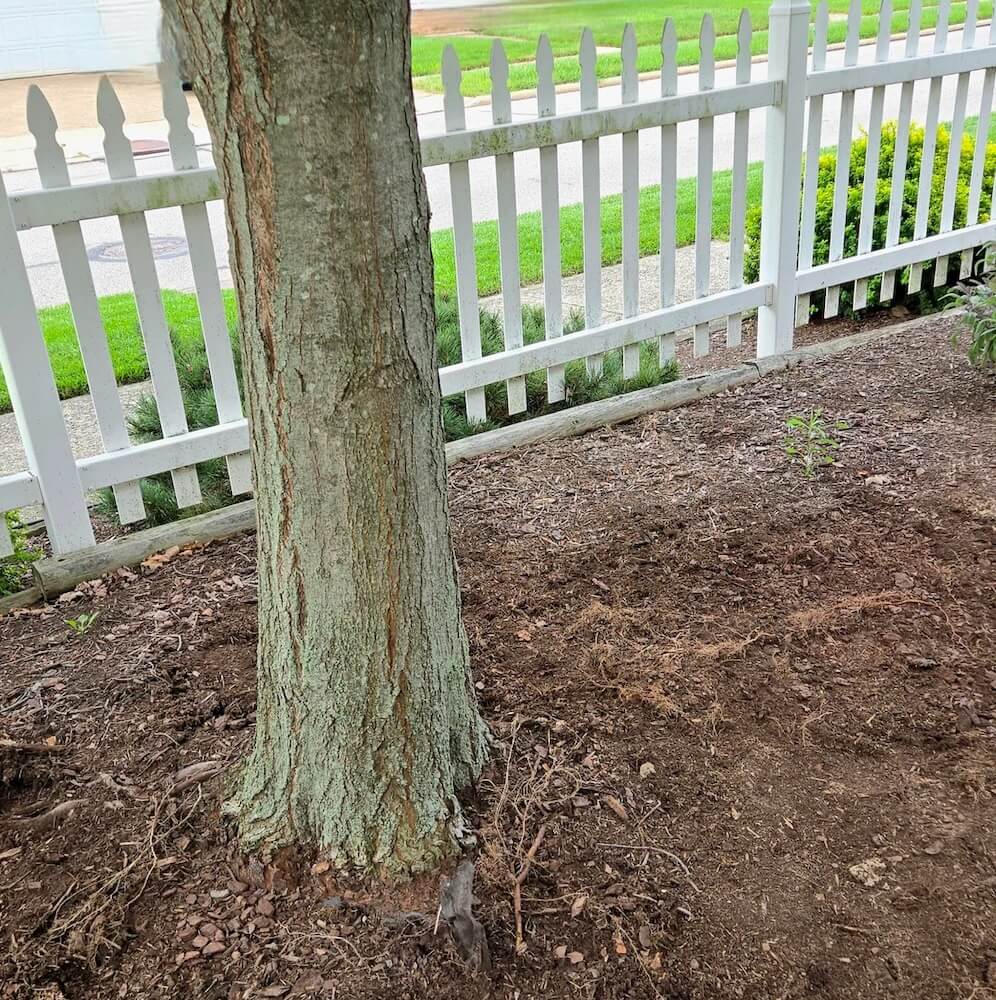
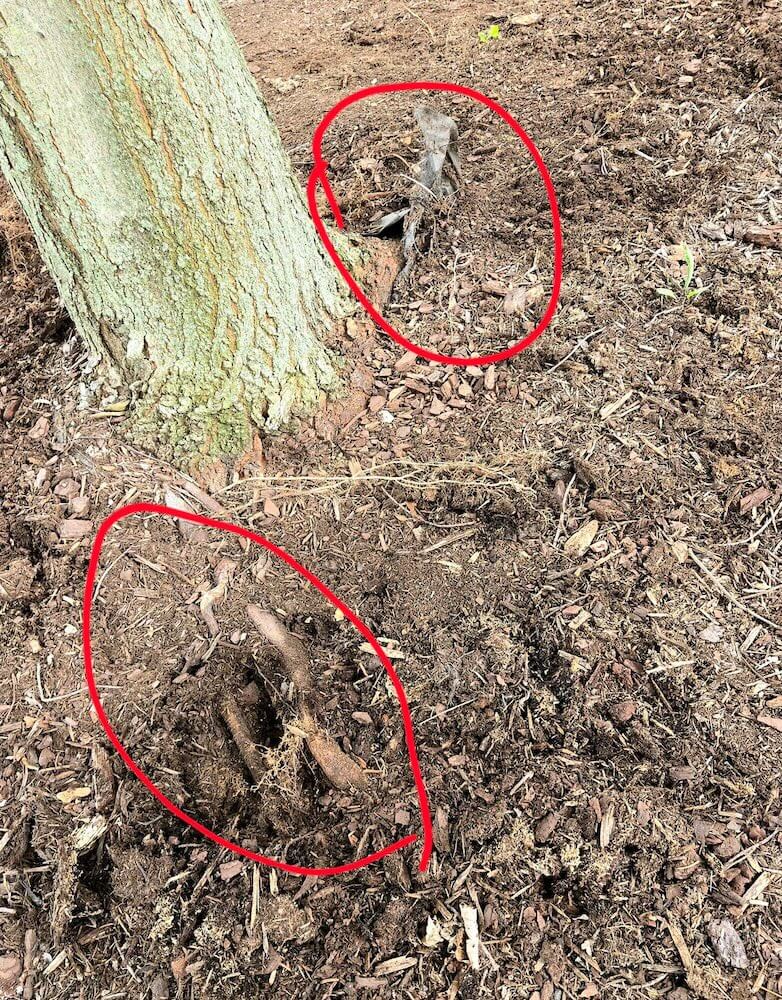
The post described a 10-inch-diameter maple tree with roots spreading above and below landscape fabric that had been installed by a previous homeowner.
"It's very spongy to walk on, and there are tons of fibrous roots in the mulch," the user wrote, adding that they were concerned the tree could eventually topple in strong winds if its roots weren't able to anchor it properly.
Landscape fabric is often marketed as a low-maintenance solution for suppressing weeds, but arborists and gardeners warn that it does more harm than good.
Once roots become tangled in the fabric, removing it becomes nearly impossible without damaging the tree. The barrier also prevents water and nutrients from penetrating the soil, leaving plants stressed and more susceptible to damage over time.
Stay hydrated and refreshed this holiday season — without any sugar or harmful additives Nuun’s zero-sugar hydration tablets are a perfect, guilt-free way to enhance your water throughout the day. You’ll get five essential electrolytes for everyday hydration — with zero grams of sugar. Plus, Nuun tablets are certified vegan and gluten-free, and they’re the perfect size to keep in your car, purse, or anywhere you'll want a healthy, restorative drink. Learn more → |

Beyond wasted money and effort, the fabric can create long-term problems for soil health. As it breaks down, it doesn't enrich the ground like organic mulch does; instead, it simply adds to waste.
Garden experts recommend skipping synthetic barriers altogether and focusing on natural lawn upgrades that improve both yard health and resilience. Native plant replacements can reduce maintenance, conserve water, and lower overall lawn care costs.
Native-plant lawns also support pollinators, which help secure our food supply while creating more balanced ecosystems for local wildlife. Homeowners curious about these alternatives can explore rewilding their yards or upgrading to a natural lawn.
Commenters on the post were quick to voice their frustrations with landscape fabric.
|
What's the hardest thing about taking care of your yard? Click your choice to see results and speak your mind. |
 Mowing the lawn 🏡
 "Get rid of that crap," one bluntly replied.
"I would remove as much fabric as you easily can without disturbing major roots," another advised. "The weed fabric won't really make the tree any more likely to fail at the base but could make it harder for nutrients/water to get into the soil."
TCD Picks » Upway Spotlight
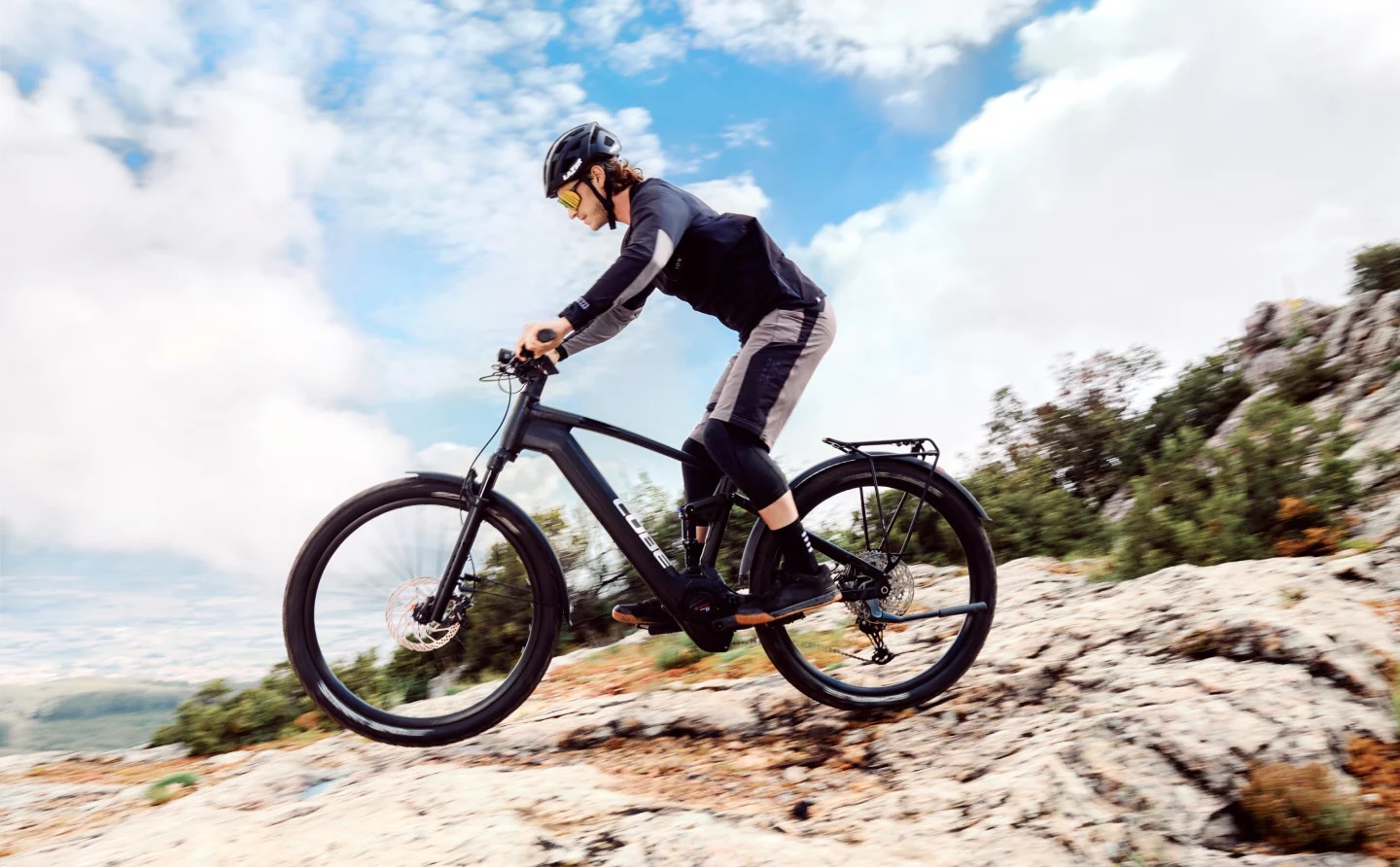
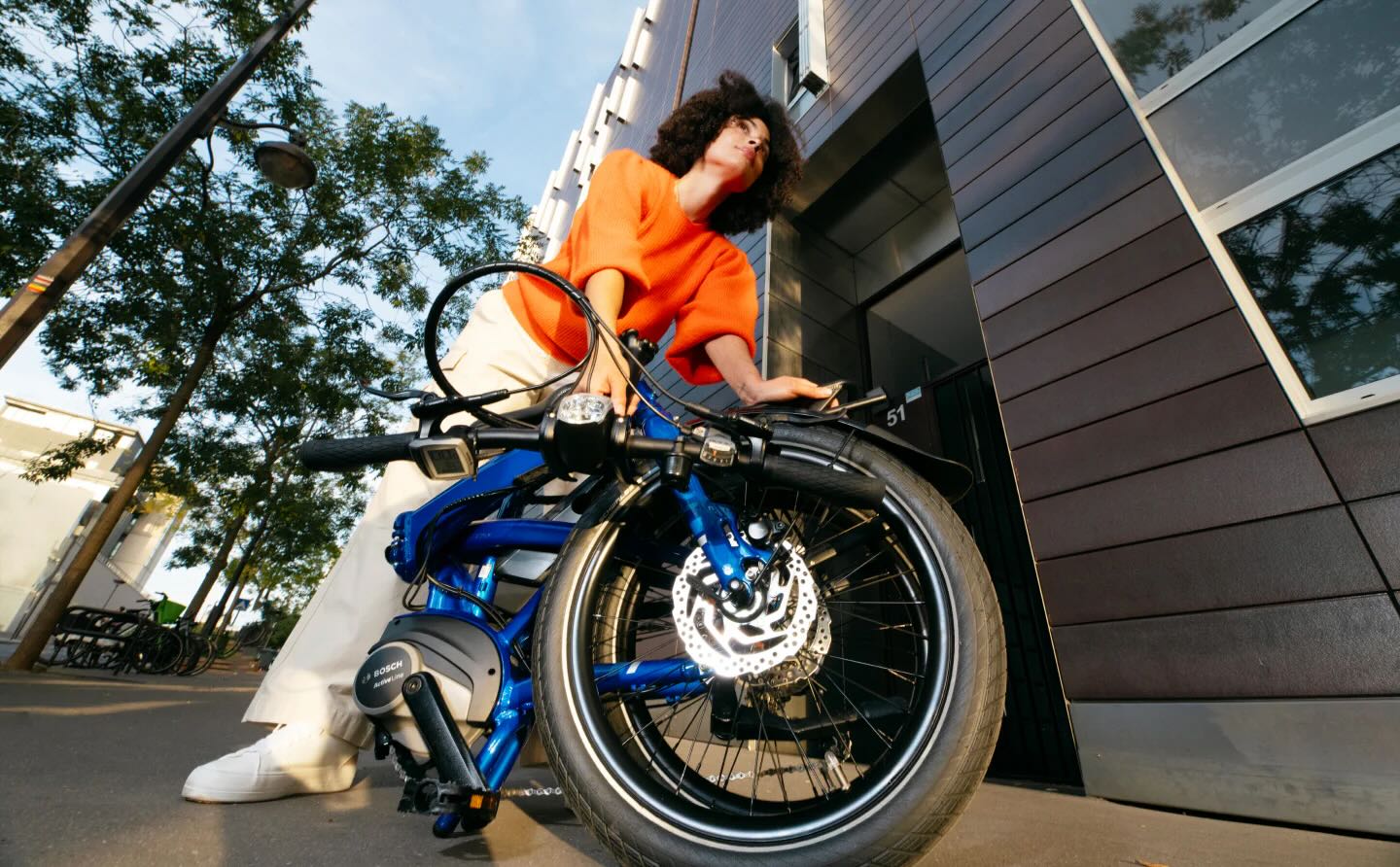
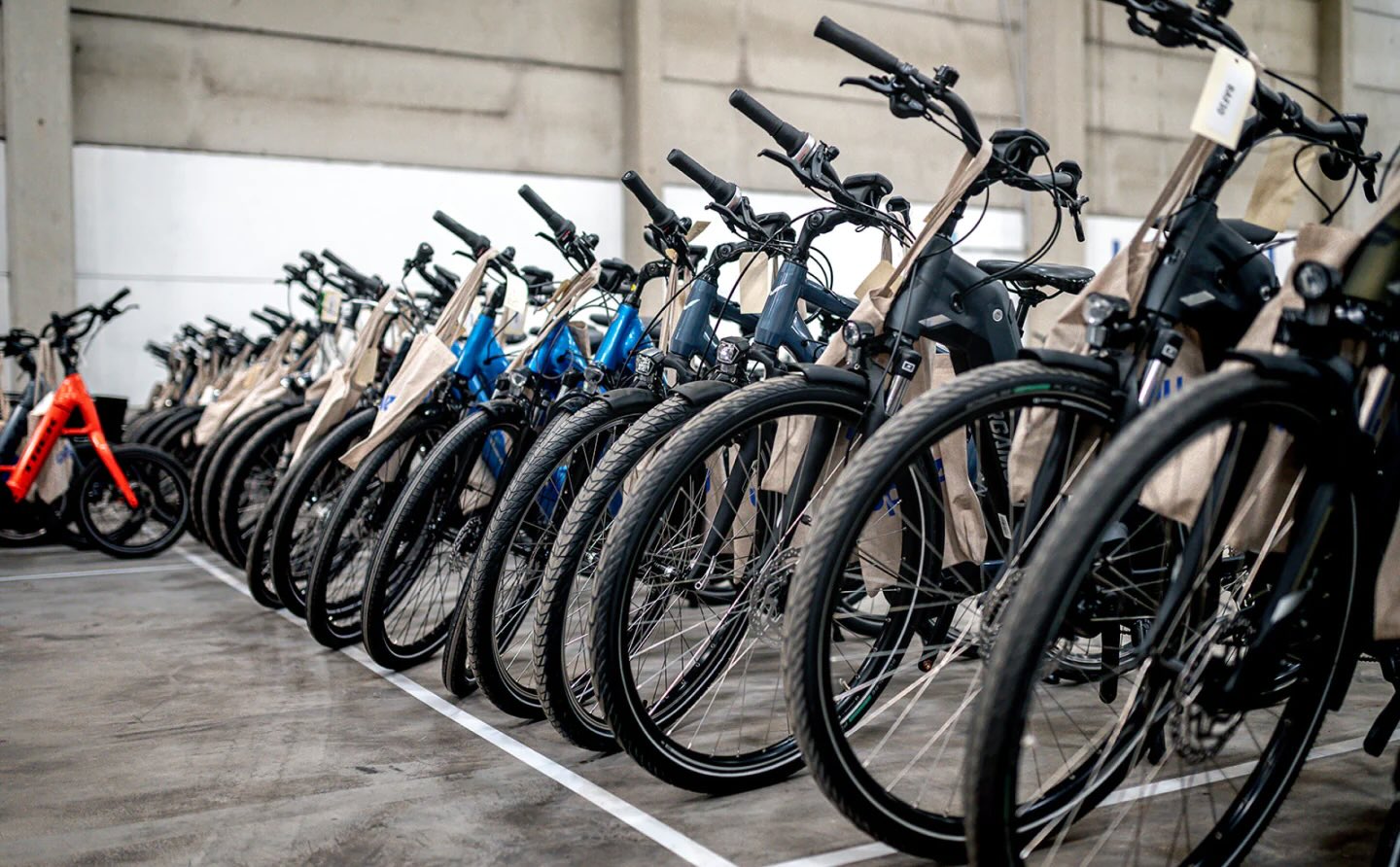
💡Upway makes it easy to find discounts of up to 60% on premium e-bike brands

"Fabric is so bad," a third began. "See how your roots are thick above the fabric? That is what happens. The fabric gets clogged, and it is like a desert under it, so the tree grows feeder roots in the mulch that people put atop the fabric."

Join our free newsletter for easy tips to save more and waste less, and don't miss this cool list of easy ways to help yourself while helping the planet.
Cool Picks