


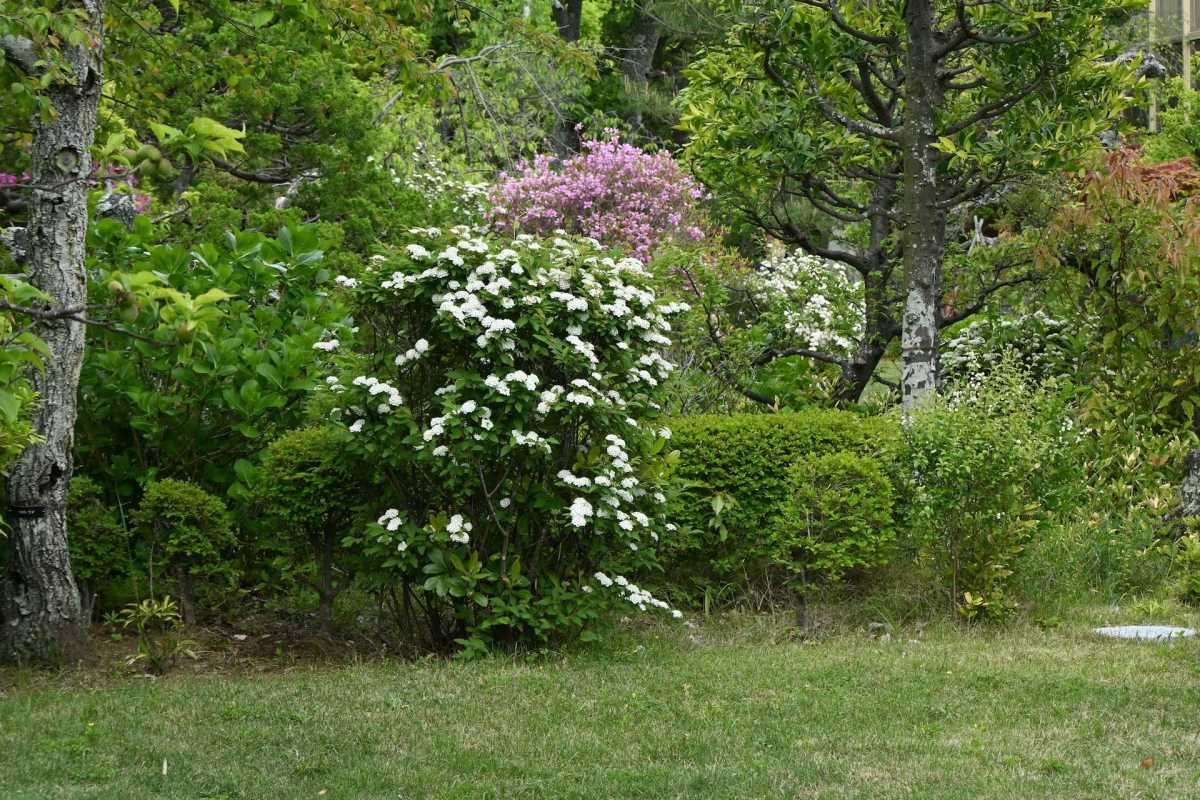
A homeowner took to Reddit after realizing that a vibrant, tidy row of shrubs lining their front walkway was entirely made up of Japanese spirea, an invasive species known for outcompeting native plants and disrupting local ecosystems.
The Reddit user, who had already been working on removing Bradford pears from their property, admitted the spirea slipped under their radar until they learned of its invasive status.
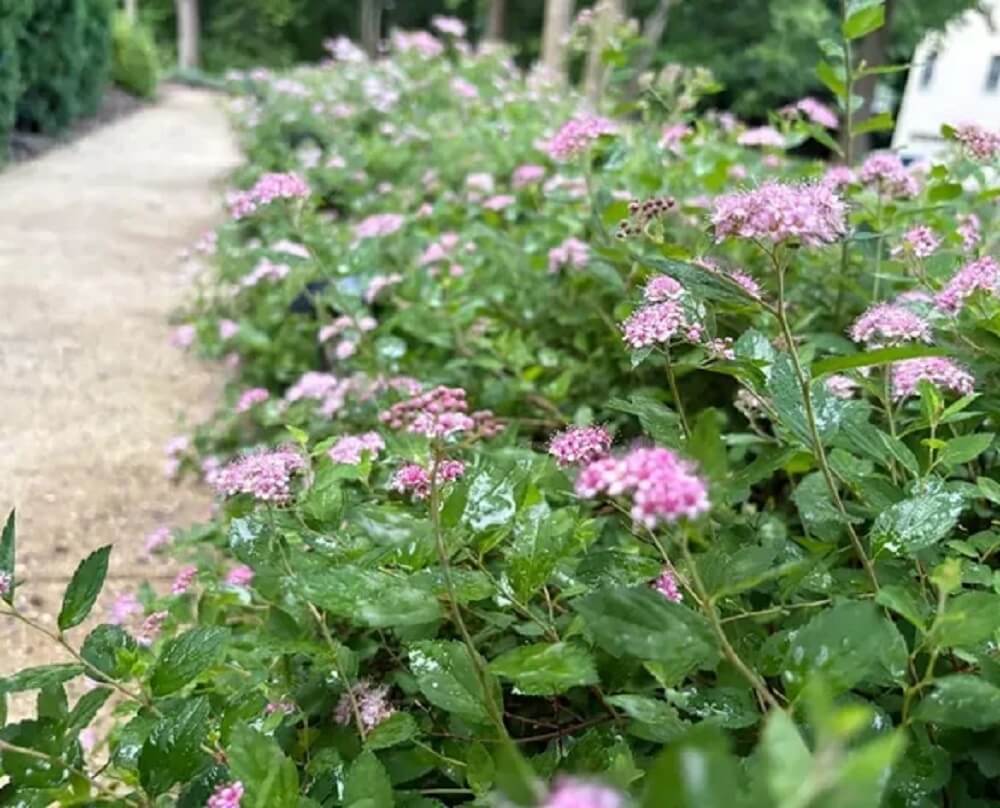
"I wasn't aware it was invasive until today," the original poster wrote in the post.
Invasive plants such as Japanese spirea spread aggressively, crowding out native vegetation, altering soil conditions, and reducing biodiversity. Disruptions like these can ripple through an entire ecosystem, affecting local insects and wildlife that rely on native plants for food and shelter.
Other Redditors offered some advice and shared their own experiences with invasives.
"Half my yard is invasive plants," another Redditor shared on the thread. "I just bought the house in the fall, so I'm going slow and steady and identification is happening as we go."
For homeowners, invasives' fast-growing nature and root systems can be difficult to eliminate. Many invasive species can resprout, spread via rhizomes, or produce long-living seeds that can germinate years after removal efforts begin.
As native landscaping continues to rise in popularity, homeowners can really take control of invasives in their yards. Replacing invasive shrubs with native flowers and grasses supports local ecosystems and can also save homeowners time and money.
Native plants are adapted to local climates and soils and typically require less irrigation, lowering water bills and conserving a resource that's becoming increasingly precious due to droughts brought on by climate change. Without the need for fertilizers and pesticides, you can also save even more money by going native.
Equally important, rewilding your yard creates vital habitat for pollinators like bees, butterflies, and beetles. These species are essential for food production, as pollinators support roughly one-third of the crops humans rely on. By removing invasives and planting native species, homeowners can help strengthen these fragile populations and contribute to a healthier environment.
TCD Picks » Quince Spotlight
💡These best-sellers from Quince deliver affordable, sustainable luxury for all




It may take time to remove the invasive species in your yard, but the payoff will be worth it. The light at the end of the tunnel is a low-maintenance, vibrant, and pollinator-friendly garden.
|
What's the hardest thing about taking care of your yard? Click your choice to see results and speak your mind. |
 Mowing the lawn 🏡
💰Get TCD's free newsletters for easy tips to save more, waste less, and make smarter choices — and earn up to $5,000 toward clean upgrades in TCD's exclusive Rewards Club.
Cool Picks






