


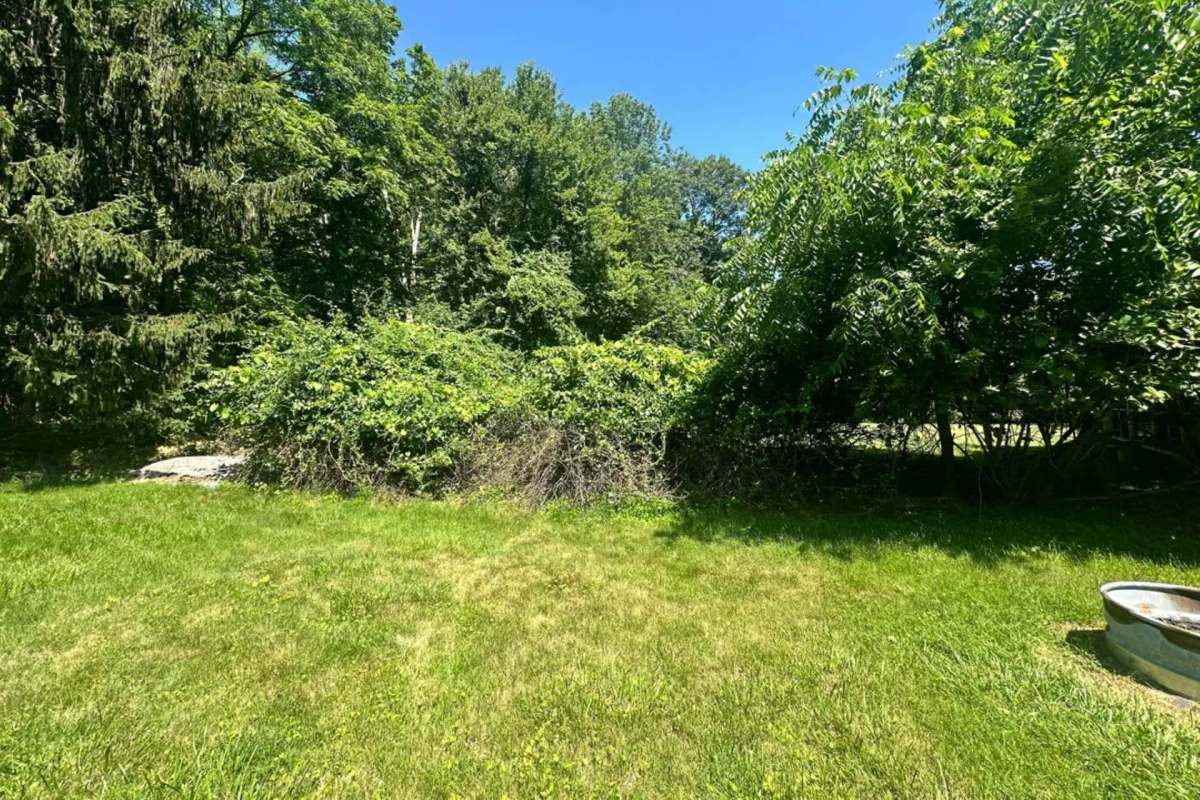
A Reddit user recently shared a landscaping dilemma that quickly struck a chord with others online — and with anyone who's ever had to wage war against invasive plants.
In a post titled "All of this invasive growth is coming from my neighbor's yard," the original poster pleaded for help: "I want to reclaim my yard. The heaven hell trees and the random maples are difficult enough to combat. There's also a huge patch of climbing/vining poison ivy. Fire isn't an option. What's my weapon here? Shears? Clippers? Machete? Chainsaw? Goats?"
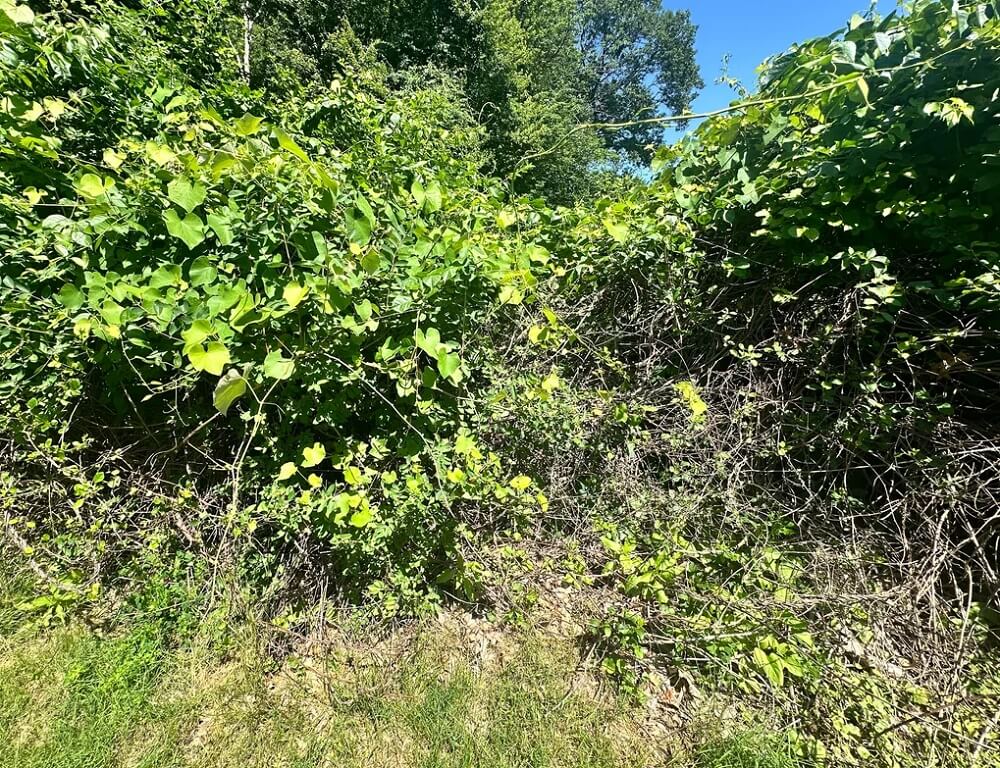
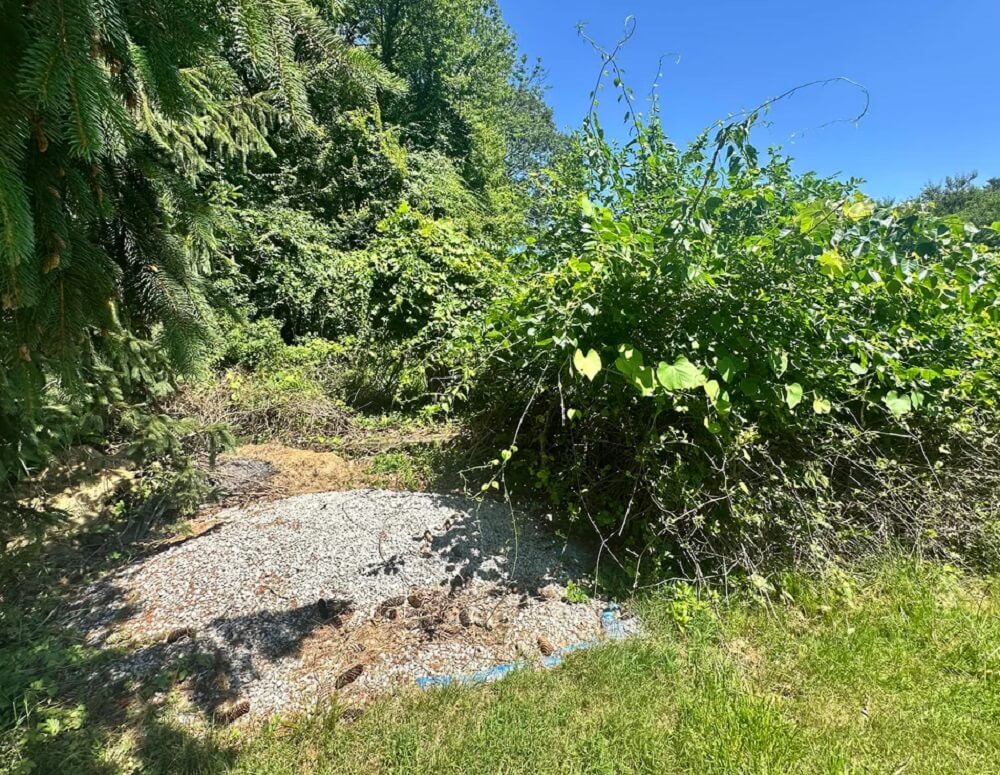
The attached photo reveals what looks like a green tidal wave of uninvited guests, with creeping vines and saplings spilling across the property line.
"It's definitely a hack and whack attack," one commenter added, summing up the OP's frustration with a battle cry that many homeowners can relate to.
While the situation may seem like a nuisance confined to one backyard, invasive plants pose a much broader threat to ecosystems. Species like tree-of-heaven and aggressive non-native vines can outcompete native plants for sunlight and soil nutrients, making it harder for pollinators — and the plants they rely on — to thrive. That's bad news not just for bees and butterflies, but for people too, since pollinators play a vital role in protecting our food supply.
One solution? Replace traditional turf lawns and high-maintenance ornamentals with native plants, clover, or drought-tolerant buffalo grass. Native landscaping not only reduces the risk of invasive plant takeovers, it also requires less water and fewer chemical treatments — saving homeowners time, money, and hassle. Even a partial switch to native greenery can lead to healthier yards and ecosystems.
If you're dealing with a similar invasion, experts recommend manual removal combined with smothering techniques like cardboard sheet mulching. Goats, as the Redditor joked, are actually a legitimate eco-friendly option for tackling poison ivy and brush — just be sure to fence off anything you want to keep.
Commenters didn't hold back their sympathy — or their suggestions.
"Research noxious weed laws in your area and ask them if they'd be open to removing it and planting a less noxious thing," one user wrote.
Another added, "It looks like a big job, but an option would be to pour boiling water on the roots, maybe after you've cut the vines at the base. Just to make sure it's dead."
TCD Picks » Quince Spotlight
💡These best-sellers from Quince deliver affordable, sustainable luxury for all




Turns out, a greener solution might just start with less lawn — and more love for the native plants that belong there.
|
What's the hardest thing about taking care of your yard? Click your choice to see results and speak your mind. |
 Mowing the lawn 🏡
Join our free newsletter for easy tips to save more and waste less, and don't miss this cool list of easy ways to help yourself while helping the planet.
Cool Picks






