


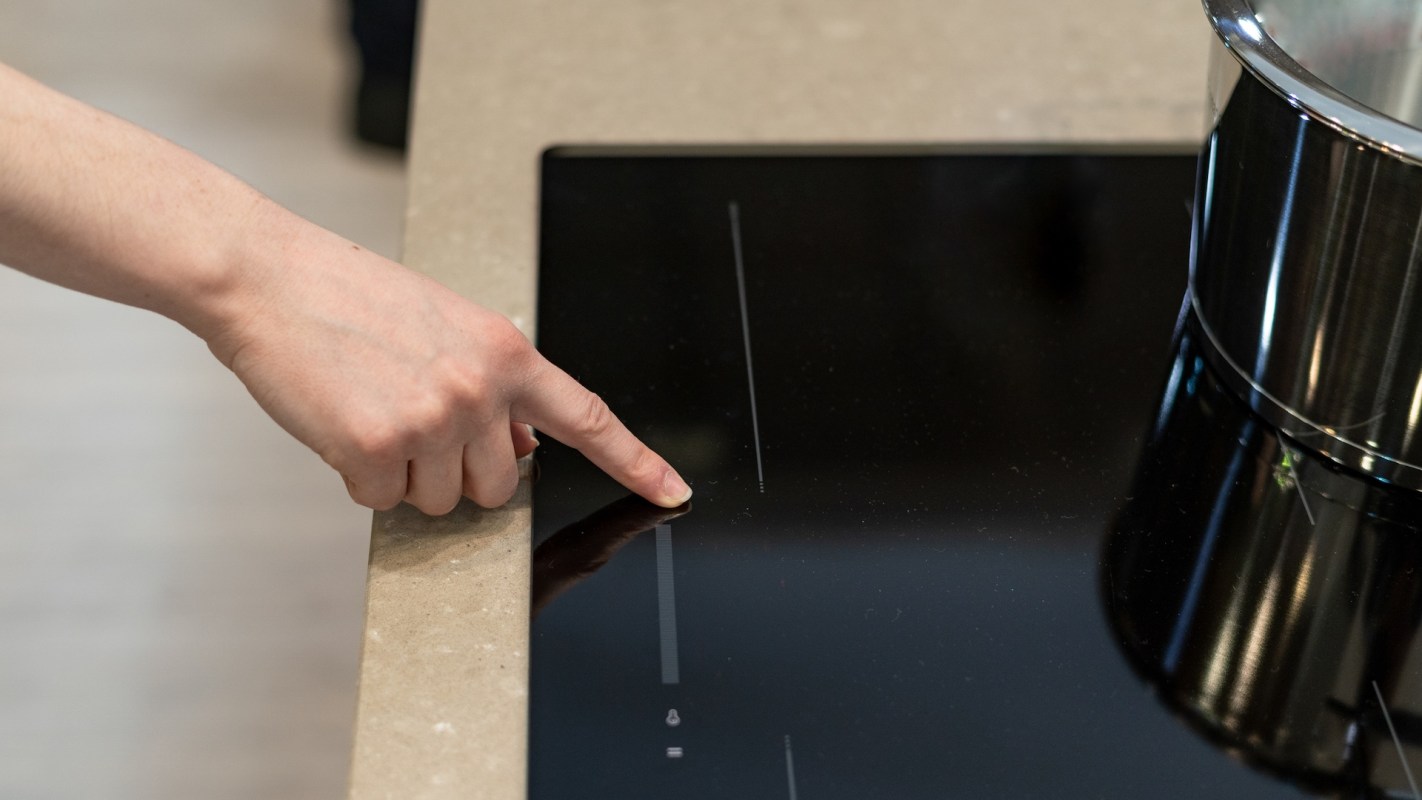
Is induction cooking the future of the kitchen, or just another overhyped appliance trend?
That's the question one skeptical shopper posed in Reddit's r/Cooking forum.
"Induction units - hype, tripe or real? Is there anyone out there who can say they made a mistake by going with induction?" they asked. "Everyone talks about a learning curve, new pots and pans, reduced kitchen heat, and speed. But I sense some frustration in minor comments."
In the thread, commenters debated everything from cookware compatibility to temperature control. Many praised induction's precision and responsiveness.
TCD Picks » Induction Cooking
💡Discover the induction option that’s just right for your needs and your home


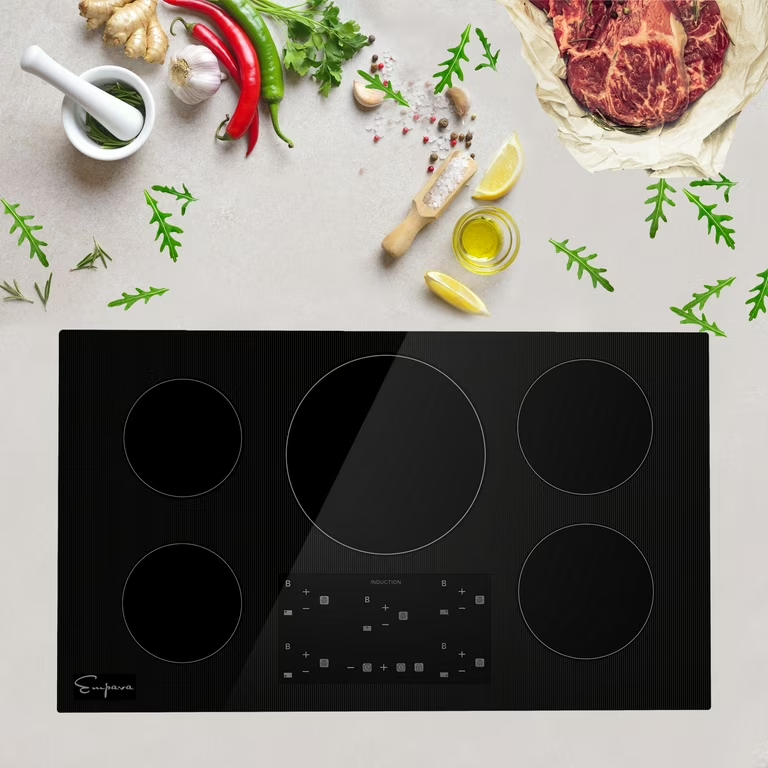

"It's like any stove, you need to learn the specifics of it but I find them easy and efficient. Even when I stay elsewhere, I still need to adjust to the new stove whether it's electric or gas but it's not difficult at all," said one commenter.
A few skeptics noted the upfront cost and the need for magnetic-compatible pans, but overall sentiment leaned strongly positive.
Beyond convenience, the conversation reflects a broader shift happening in kitchens across the country. Induction stoves are widely considered one of the easiest and most affordable ways to avoid the indoor air pollution risks associated with gas ranges. Gas stoves can release nitrogen dioxide and other pollutants into your home, while induction uses electromagnetic energy to heat cookware directly, meaning no open flame and no combustion byproducts.
For homeowners worried about cost, there's good news. Thanks to federal and state incentives, some households can qualify for up to $840 off the price of a new induction range. That dramatically lowers the barrier to upgrading, especially as induction models become more mainstream and competitively priced.
Save $10,000 on solar panels without even sharing your phone number Want to go solar but not sure who to trust? EnergySage has your back with free and transparent quotes from fully vetted providers in your area. To get started, just answer a few questions about your home — no phone number required. Within a day or two, EnergySage will email you the best options for your needs, and their expert advisers can help you compare quotes and pick a winner. Solar panels can save you more than $50k over their 25-year lifespan, and EnergySage can help you save as much as $10k on installation. Which begs the question — isn't that worth an email or two? |

They're also faster and more energy-efficient than most traditional stoves. Because induction transfers heat directly into the pan instead of warming the surrounding air, less energy is wasted. This can translate into lower utility bills over time. Faster boil times and more precise simmering aren't just convenient; they can make everyday cooking smoother and more cost-effective.
And if a full kitchen renovation isn't realistic, whether you rent or simply don't want to replace your entire range, plug-in induction burners are a great alternative. Portable single-burner units start at around $50 and plug into a standard outlet, offering a low-commitment way to try the technology.
|
Which of these savings plans for rooftop solar panels would be most appealing for you?
Click your choice to see results and earn rewards to spend on home upgrades. |
 Save $1,000 this year 💸
 Renters, especially, are turning to these plug-in models as a workaround for aging gas stoves in apartments. They're compact, easy to store, and powerful enough for most daily cooking needs. Even adding one portable unit alongside your existing stove can reduce how often you rely on gas.
For many households, induction is proving to be a practical upgrade that improves safety, cuts cooking time, and lowers energy waste. It serves up energy efficiency and delicious food!
"I love mine - I always wanted gas, but my induction throws off great heat," one user wrote.
"I went from gas to induction 2-3 years ago. The honeymoon period is over and I wouldn't go back to gas," said another.

Get TCD's free newsletters for easy tips to save more, waste less, and make smarter choices — and earn up to $5,000 toward clean upgrades in TCD's exclusive Rewards Club.
Cool Picks






