


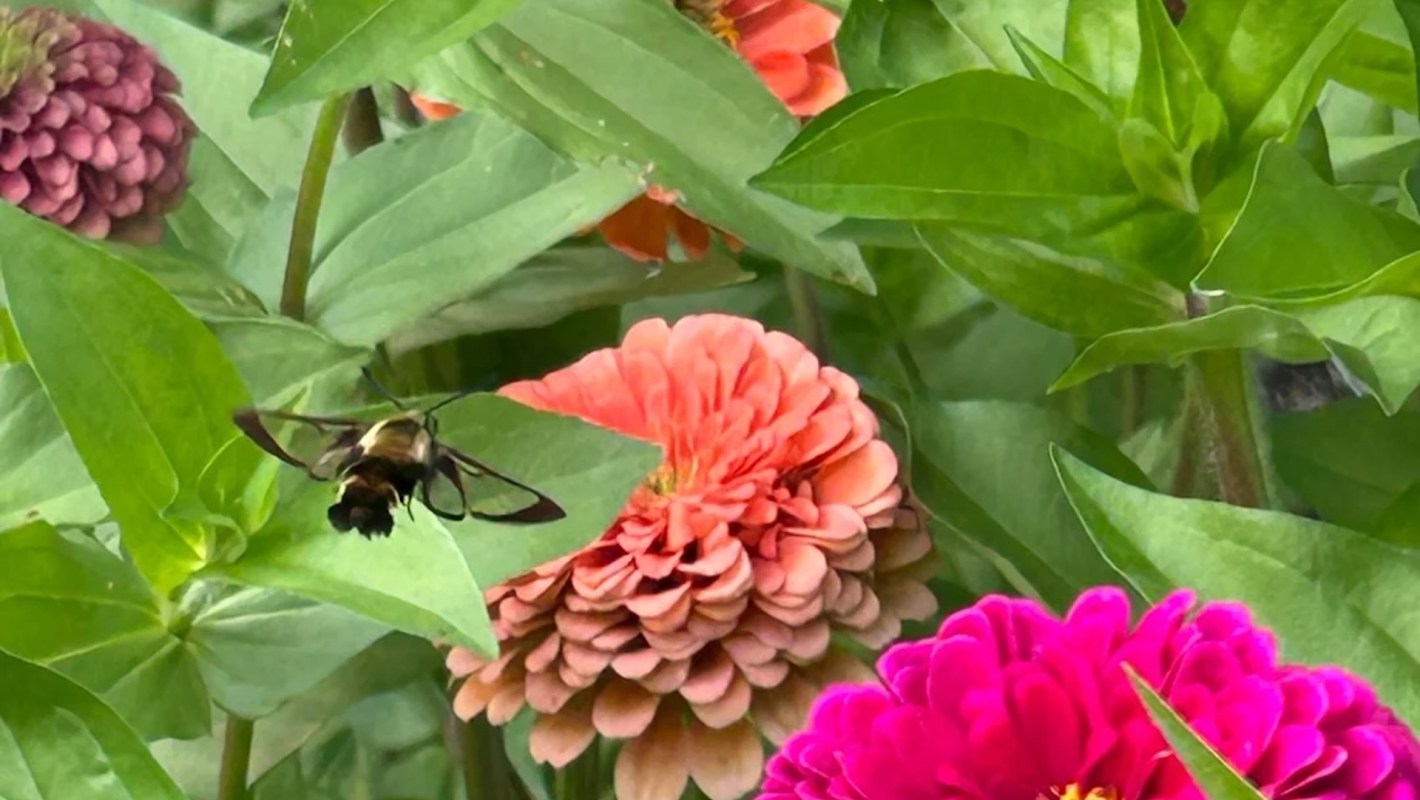
Unusual pollinators can blend into everyday garden scenes until one suddenly captures your attention.
This was the case when one garden snapshot of a hummingbird moth turned heads online.
Here's what to know
Gardeners and pollinator enthusiasts alike got a close look through a stunning photograph shared to Reddit's r/Gardening forum. The original poster shared an image of the insect feeding on cosmos in their garden.
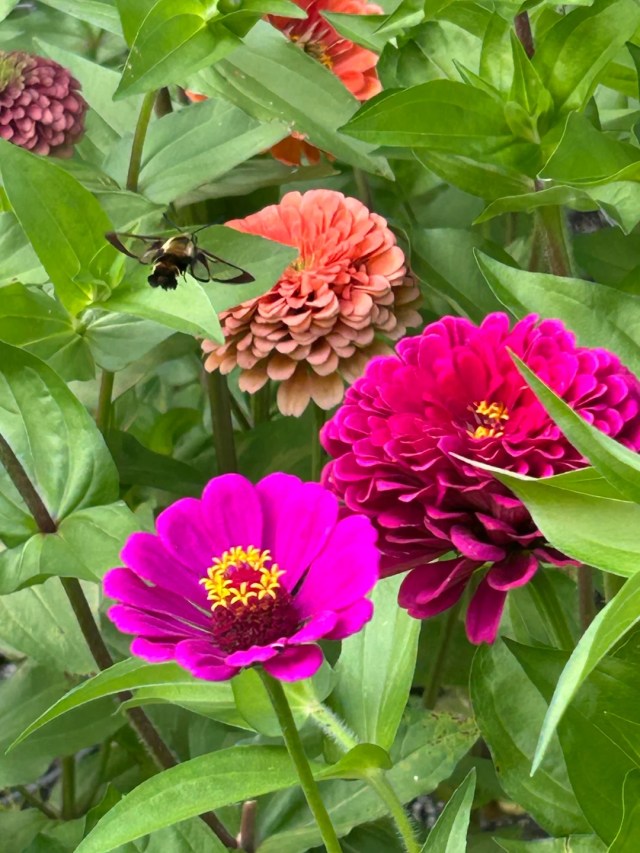
"These cosmos look so pretty! This was my first year growing them and I like how you've created a fence to keep them upright. I'm going back to zoom in on the supports you're using," one commenter wrote.
"Love these beautiful flying shrimp!" another commenter said.
A third person added, "A tiny flying lobster-bee visiting your garden! Nature is wild."
TCD Picks » Quince Spotlight
💡These best-sellers from Quince deliver affordable, sustainable luxury for all




Why is this important?
Sightings like this one can offer a close-up view of pollination in action.
At first glance, hummingbird moths can resemble tiny hummingbirds because they hover at flowers while using a long proboscis to sip nectar. This bird-like appearance makes them both easy to identify and a delightful attraction.
As the U.S. Department of Agriculture has described them, hummingbird moths "fly and move just like hummingbirds. Like them, they can remain suspended in the air in front of a flower while they unfurl their long tongues … to sip their nectar."
And cosmos, like many nectar-rich flowers, can also help attract beneficial insects. When gardeners grow a variety of blooms, they can support a wide range of pollinators that help plants reproduce and keep local ecosystems healthier.
Even small spaces can become valuable feeding stops for pollinators, especially when they include a range of flowers and avoid heavy pesticide use. Planting for pollinators can make gardens more lively, more resilient, and more rewarding places to spend time.
Gardeners can also leave a little room for nature to be less tidy. Not every beneficial insect thrives in highly manicured spaces, and a more layered garden often supports more life.
Being cautious with pesticides, especially on flowering plants, can help too. Pollinators visit exactly the blooms people are trying to protect, so reducing pesticide exposure can make a real difference in what shows up.
Plus, spending more time observing a garden can make unusual visitors easier to spot.

Get TCD's free newsletters for easy tips, smart advice, and a chance to earn $5,000 toward home upgrades. To see more stories like this one, change your Google preferences here.






