


For many, the dream of a small house on a few acres is starting to feel less like a life plan and more like a moving target.
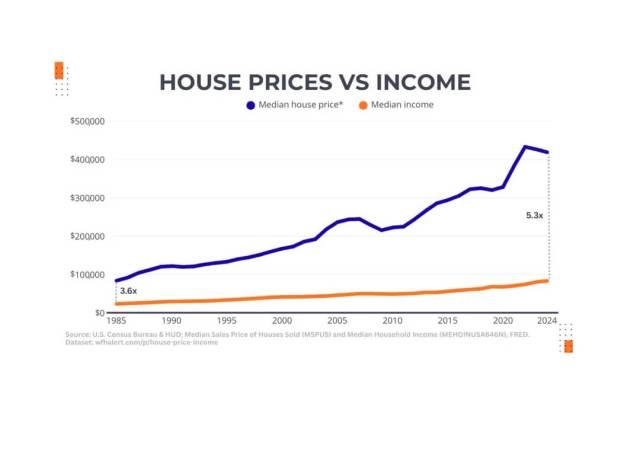
That frustration surfaced in Reddit's r/homestead community, where one poster asked whether owning land or a home is becoming "unrealistic" as prices continue to outpace paychecks.
In the post, the user said they had been "dreaming more about having a small homestead someday," but watching home prices rise faster than income had made that goal feel "harder and harder to reach."
"Makes me curious how people here managed to start," they wrote. "Did you buy years ago, move somewhere rural, inherit land, or just slowly build up to it?"
The discussion quickly drew dozens of responses from people explaining how they managed to buy property — or why they still feel stuck.
Many commenters said getting started required major trade-offs. Some bought years earlier, before prices surged. Others moved far from cities, sold a previous home to help fund a rural purchase, or took on rundown properties and repaired them over time.
TCD Picks » Quince Spotlight
💡These best-sellers from Quince deliver affordable, sustainable luxury for all




A few users pushed back on the chart behind the post, arguing that it did not fully account for larger homes, better amenities, or lower mortgage rates than in past decades. However, many agreed that housing and land prices have climbed faster than many can realistically keep up with.
The thread became a mix of frustration, dark humor, and practical advice, with users comparing taxes, commute distances, fixer-upper budgets, and whether remote work can make rural living possible.
Homesteading is often associated with lower costs, more self-reliance, and a simpler lifestyle. But before any of those benefits materialize, buyers usually have to get access to land in the first place.
Many people have turned to tiny homes as an affordable option. A modest property can mean space for gardening, small livestock, gradual home upgrades, and lower recurring costs over time. One commenter who bought an older farmhouse said the property's solar setup helped keep utility bills to about $200 per month on average, showing how land and home choices can shape long-term household expenses.
There is rarely a perfect entry point. Commenters repeatedly advised widening the search area, being realistic about the condition of the house, and thinking in stages rather than expecting a fully functioning homestead right away.
The thread also offered a useful warning: Cheap land is not always a deal. Buyers need to do their research before assuming a low sticker price will translate into a workable homestead.
As one commenter put it, "Sweat equity's the new currency. Keep dreaming!"
Another summed up the broader reality just as bluntly: "Real estate is overpriced and expensive."

Get TCD's free newsletters for easy tips, smart advice, and a chance to earn $5,000 toward home upgrades. To see more stories like this one, change your Google preferences here.






