


A St. John's, Canada resident is warning others about an unexpected hazard after a carbon monoxide alarm went off in her home back in May. Luckily for her, she had a life-saving item tucked away in a drawer that notified her to evacuate the house and check her vents.
What happened?
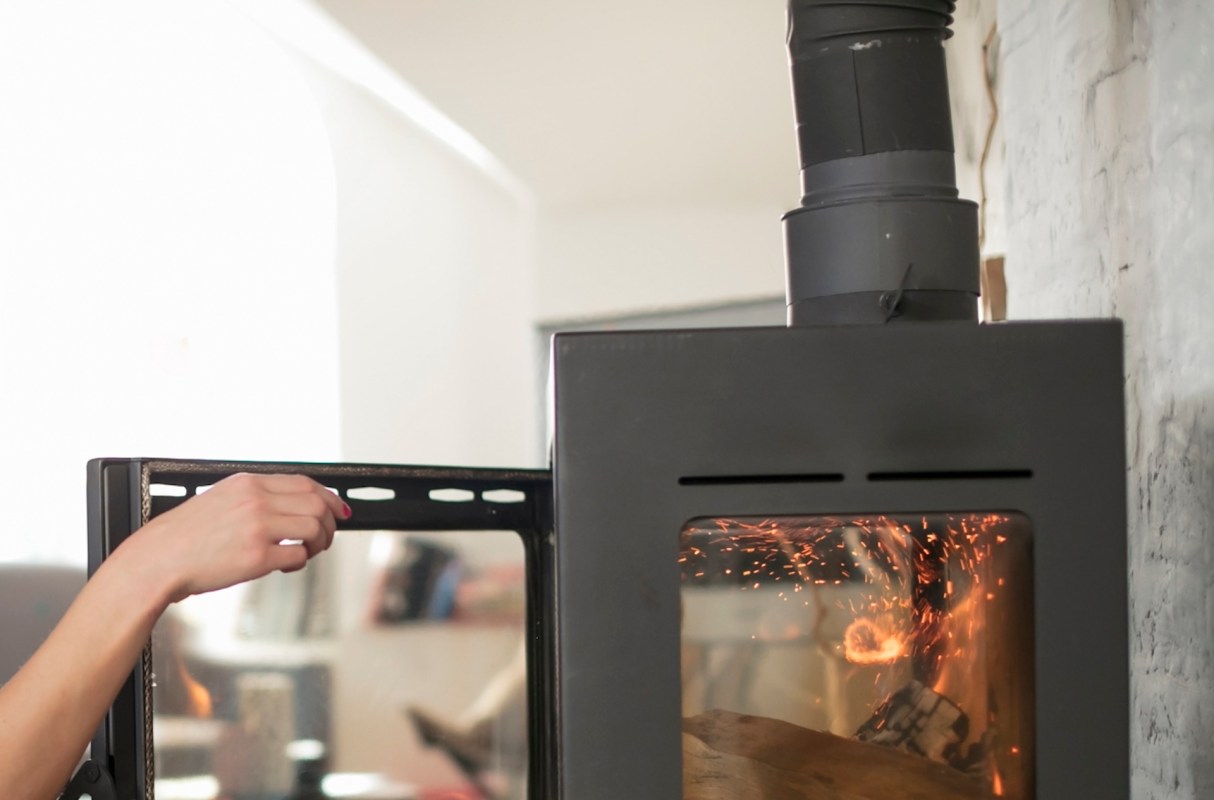
Jayne Hann had turned on her propane fireplace during a cool night before she fell asleep on the couch, according to the CBC. Roughly an hour later, she awoke to find the house felt much too warm and an alarm that was beeping continuously.
It was her carbon monoxide detector.
"I popped it in a drawer and forgot about it," Hann told CBC Radio's The St. John's Morning Show. "It was screaming from the drawer, and it was, like, at a level 93 [parts per million], I think. Blinking red. Get out."
The average carbon monoxide exposure over a 24-hour period should stay below 10 parts per million, according to Health Canada.
Hann immediately left the house with her dog, CBC reported. The following day, when she inspected the vent, she found what had happened.
TCD Picks » Quince Spotlight
💡These best-sellers from Quince deliver affordable, sustainable luxury for all




"This large nest was completely sealing my vent," she said. "No wonder the detector went crazy."
Why does it matter?
Carbon monoxide is an odorless, scentless gas that reduces the amount of oxygen and is often called the "silent killer." It's recommended that carbon monoxide detectors be installed on every floor of a home, according to the Environmental Protection Agency.
Each year in the U.S., there are more than 40,000 cases of carbon monoxide toxicity resulting in emergency department visits, and 14,000 of these patients need to be hospitalized. Ultimately, 2% of these individuals die.
Blocked vents can interfere with heating systems, airflow, and overall safety. Vents, chimneys, fireplaces, and dryer outlets can resemble the small cavities birds look for when nesting, especially if screens are missing or damaged.
Rock Wildlife Rescue director Karen Gosse told CBC that starlings are an invasive species that prefer to nest in enclosed spaces and can squeeze through very small openings.
"They'll nest in a barbecue, they'll nest in a dryer vent if the protective screen has a fault in it. They will go in through a chimney vent or a fireplace. They would go in through a stove vent," she said.
Gosse also warned that people shouldn't try to move the nests themselves because it puts the babies at risk. The best thing to do is wait it out.
"Usually within three weeks of hatching, those babies will start to fledge," she said. "They will leave and start hopping around the ground. And that's the time that we say, 'OK, remove the nesting material.'"
What are people saying?
Hann said the incident changed how she thinks about home safety.
"Get a detector, and check all your vents," she said. "That was an eye-opening moment for me, because we all become complacent."

Get TCD's free newsletters for easy tips, smart advice, and a chance to earn $5,000 toward home upgrades. To see more stories like this one, change your Google preferences here.






