


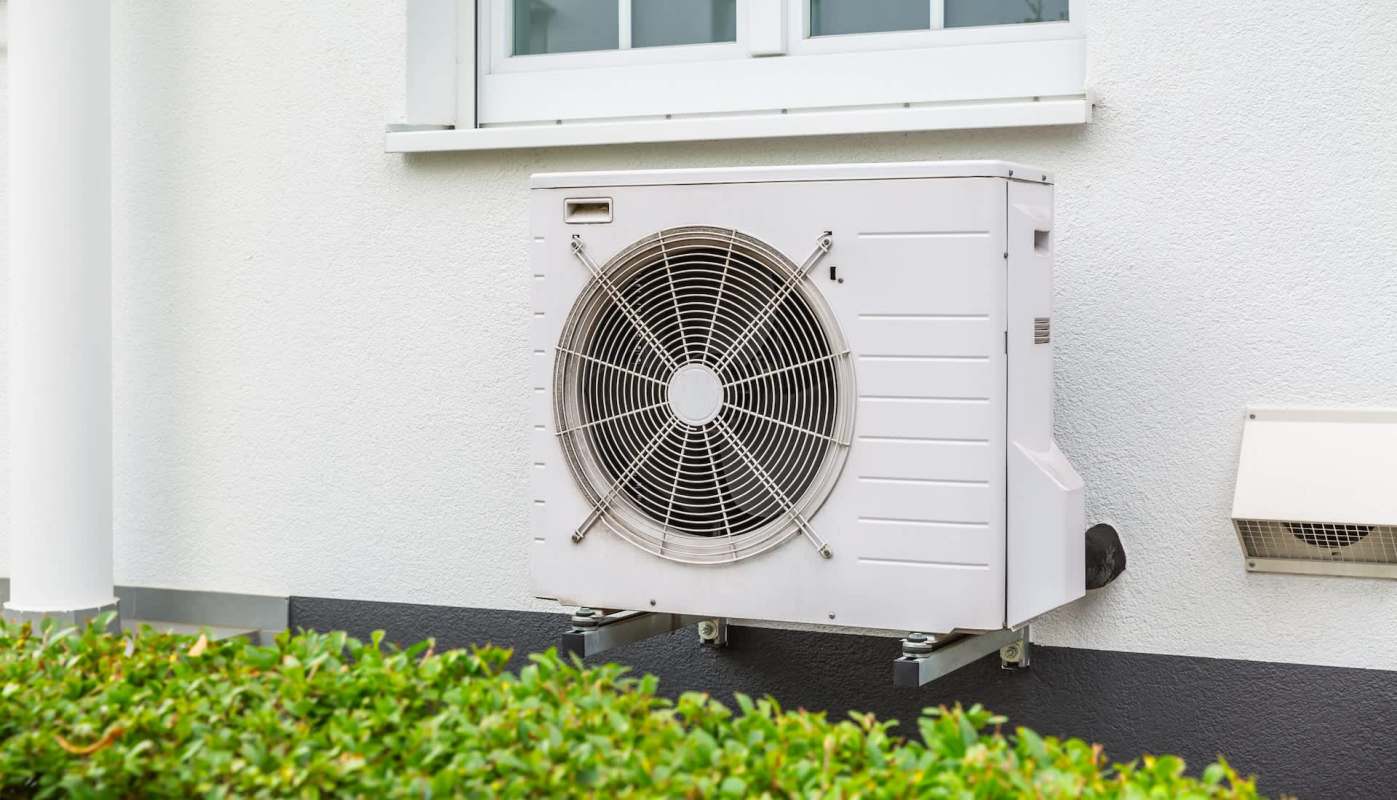
Concerns about heat pump-related noise pollution have been circulating in the United Kingdom. But multiple experts, including a popular YouTuber, have eased the decibel distress, calling it overstated.
"I'm not surprised that's a headline," heating engineer Adam Chapman said in a clip on his company's YouTube channel, Heat Geek (@HeatGeek). The business provides artificial intelligence and other services to a community of independent installers.
Chapman said that many of the news snippets he read about noise were from known heat-pump haters and gas-industry advocates in the U.K.
In fact, common air-source heat pumps operate in the same 40-to-60 decibel range as a refrigerator or gas boiler, according to the Guardian.
Simply put, Chapman said that claims about overburdening noise are "a lie."
He read anecdotal reports that heat pump humming had become a burden. The complaints don't hold much water when considering a Yale decibel-level comparison chart that lists a normal conversation and a suburban neighborhood at night as within a heat pump's noise range.
Upgrading to a heat pump is a smart move for many reasons, and new versions are becoming more efficient and even quieter. Common air-source versions such as ductless mini splits use a compressor, piping, and refrigerants to move warm air inside or outside, depending on the season, according to the International Energy Agency. This makes them great for heating and air conditioning.
The units can reduce your electricity use for heating by up to 75%. According to government data, more than half of an average United States household's energy is used for warming and cooling, so upgrading those systems could save a lot of money.
Find the best HVAC solution to heat and cool your home more efficiently Mitsubishi Electric’s efficient heating and cooling HVAC solutions can help you stay comfortable no matter the weather or region. You can even regulate temperatures in each room with individually controlled all-electric heat pump systems. With an energy-efficient, all-climate system from Mitsubishi, you can reduce the amount of energy needed to heat and cool your home, receive up to $2,000 in tax credits, and get peace of mind knowing you’re choosing rigorously tested, high-quality products. |

Mitsubishi is a great resource for finding the right kind for your home at the right price. This Old House reported that units can cost between $1,500 and $30,000, depending on the size and type, with larger geothermal models costing more than popular mini splits. Tax breaks of up to $2,000 remain until the end of the year for air-source models, so it's important to act quickly.
On the noise front, the Guardian said that proper installation and use can help make sure they run as quietly as possible. They can be a little louder when it's colder, or when restarted after a shutdown, per the story.
|
Which of these factors would most effectively motivate you to buy a heat pump? Click your choice to see results and speak your mind. |
 Lower energy bills 💰
 Jack Harvie-Clark, a director at England's Apex Acoustics, debunked the idea that noise is an insurmountable problem for the tech, as some critics claim.
That's "not the case," he told the newspaper. "Technology improvements and proper installation can mitigate noise issues in most homes."
What's more, the units prevent significant air pollution through superior efficiency to other HVAC systems, especially older ones. Massachusetts Institute of Technology experts reported that continued fossil-fuel burning is driving the planet's overheating, and NASA has linked it to greater chances of extreme storms already damaging coasts and inland areas, including farms.
Mitsubishi's team can help customers find the right installer when they are ready to upgrade. Home solar can boost savings by providing free sun-sourced electricity to power the cleaner tech. And EnergySage can help you secure all the tax breaks and other perks for the panels, worth up to $10,000.

Join our free newsletter for easy tips to save more and waste less, and don't miss this cool list of easy ways to help yourself while helping the planet.
Cool Picks




