


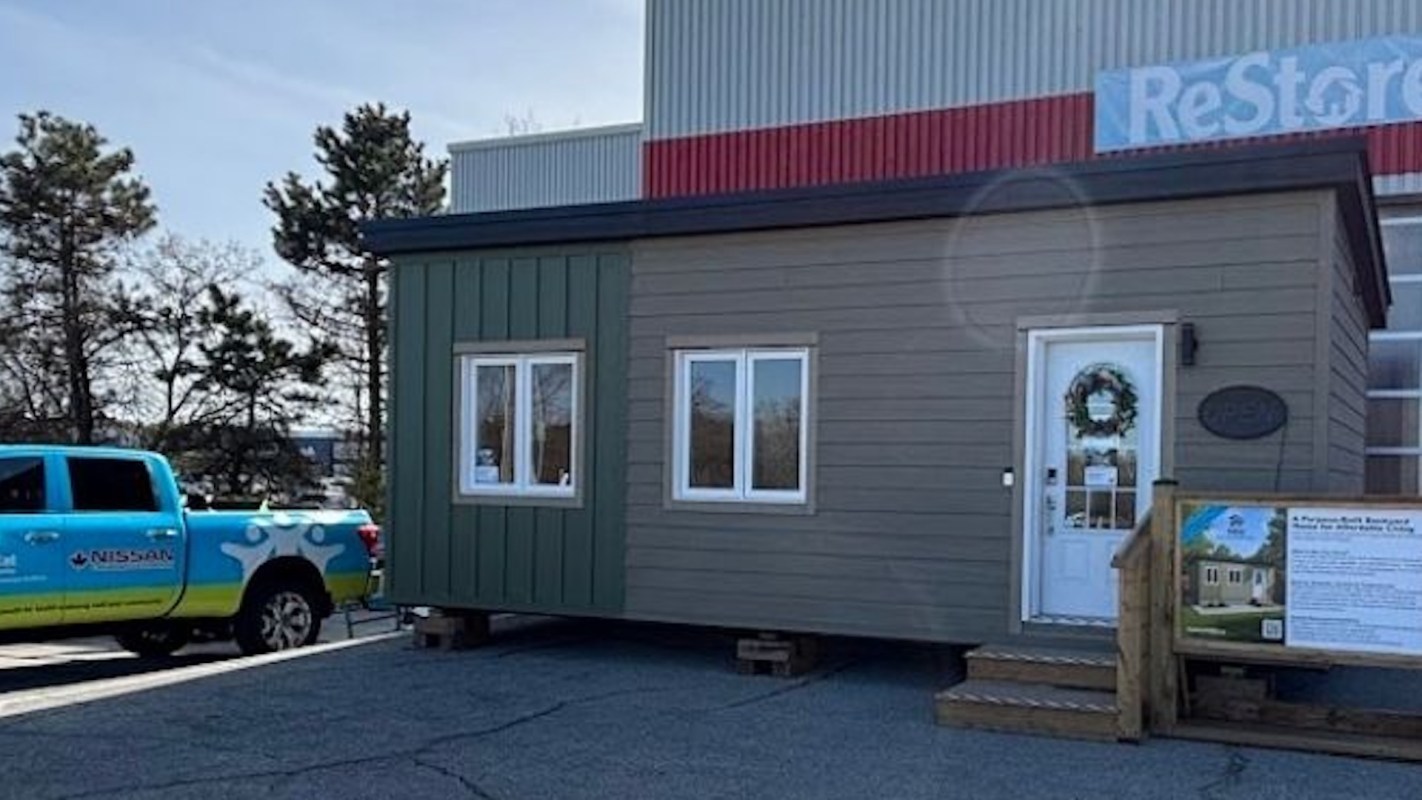
A model tiny home is drawing attention in Orangeville, Ontario, as rising housing costs continue to push more buyers toward smaller, more flexible living arrangements.
The unit is now on display at the Orangeville ReStore as part of Habitat for Humanity's expanding tiny home program, the Orangeville Citizen reported.
It is generating interest locally because it offers people a practical look at what a compact, code-compliant backyard dwelling can be — not just as a form of social housing, but as a potential option for private residential properties as well.
According to Habitat for Humanity, the program first began as a pilot project for First Nations communities looking for realistic ways to add housing capacity.
"It started just with a pilot where First Nation communities expressed interest in receiving tiny homes," engineer Peter Oliveira said.
That initial agreement included five homes, and Oliveira said all five are now occupied.
TCD Picks » Quince Spotlight
💡These best-sellers from Quince deliver affordable, sustainable luxury for all




The home currently available to tour at the ReStore is about 250 square feet and built as a four-season unit to Ontario Building Code standards, per the Orangeville Citizen. Despite its small footprint, it is designed to function as a self-contained dwelling with its own bathroom, kitchen, and combined living-sleeping area.
While the homes are mainly intended for single occupants, buyers are looking at a range of possible uses, including youth housing, backyard rentals, and workspace setups.
That versatility appears to be one of the biggest reasons for the growing interest.
"Most of the interest we've gotten is for multigenerational living," Oliveira said.
Oliveira said the base structure remains the same, but the interior can be modified by removing cabinetry or changing finishes.
For buyers, that may make the tiny home feel more attainable than building a major addition or starting from scratch with a custom standalone structure.
Once approvals are in place, on-site work usually lasts about a month, after which the largely finished unit is lifted onto a prepared foundation and connected to services.
There is also an environmental benefit to the model. Smaller homes generally use fewer building materials and require less energy to operate than larger houses, while also allowing families to make more efficient use of existing land.
The way the homes are built is another key part of the program. The process serves as a hands-on, skilled-trades training opportunity for high school students over two school semesters.
Students help with structural and finishing work, while licensed professionals handle higher-risk components such as electrical, plumbing, and mechanical systems.

Get TCD's free newsletters for easy tips, smart advice, and a chance to earn $5,000 toward home upgrades. To see more stories like this one, change your Google preferences here.







