


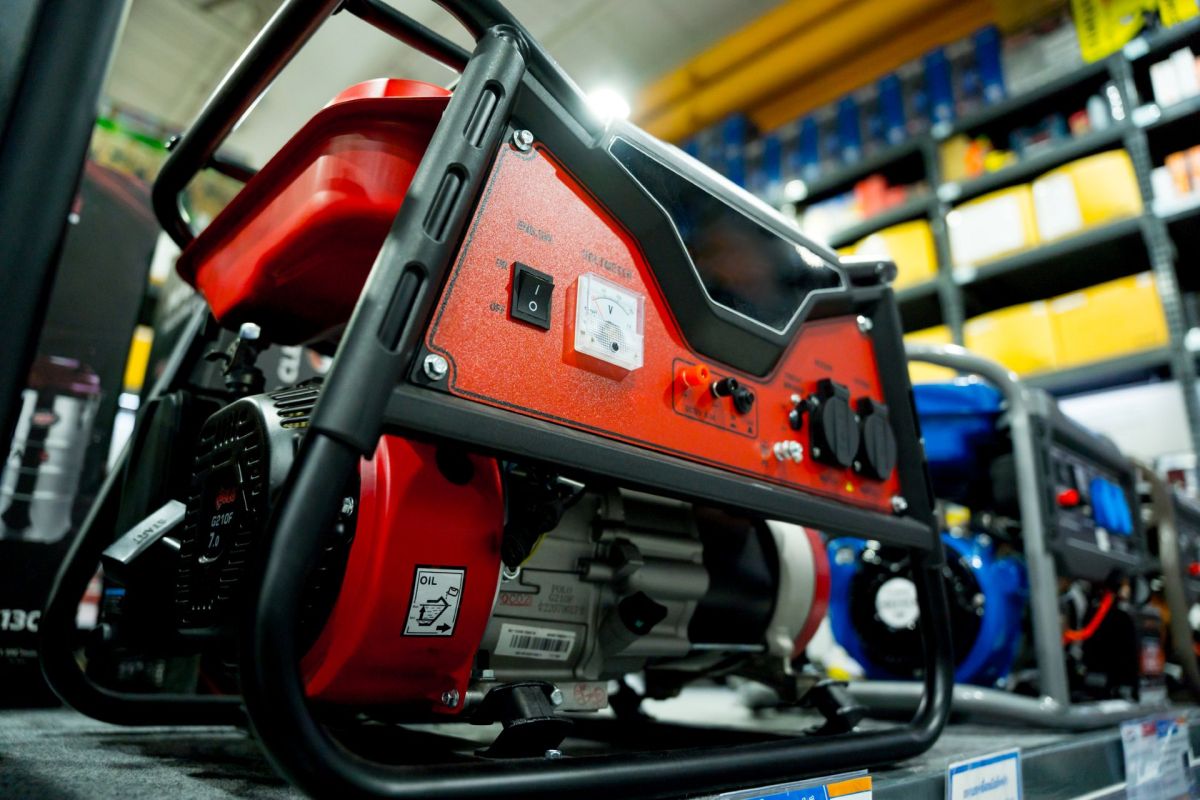
When the power goes out for days, generator shopping can stop being theoretical in a hurry. A Reddit poll about generator size recently became a practical reality check for homeowners in Louisiana and other storm-prone areas.
Many people can get by with smaller portable units, but plenty still wish they had bought more capacity for comfort, especially when air conditioning is part of the equation.
What happened?
Redditors responded to the prompt, "What size Generator do you have or wish you had for outages after a typhoon?" with firsthand accounts of what has worked during long outages.
Some people explained they were making do with relatively small equipment, while others described wanting much more power.
One commenter said they own a 5-kilowatt portable but would rather have a 22-kilowatt standby. Another said an older Honda EU2000i matched with a large battery could cover almost everything except air conditioning, although adding a small AC unit pushed fuel consumption up sharply.
Repeated storm experience had also led some homeowners to expand their setups over time. One hurricane-prone resident said a Champion 7,500-watt tri-fuel generator at a natural-gas home now handles essentials including a refrigerator, freezer, lights, and a mini-split.
TCD Picks » Quince Spotlight
💡These best-sellers from Quince deliver affordable, sustainable luxury for all




In South Louisiana, another owner said they rely on a tri-fuel inverter alongside two paralleled 3,200-watt inverters. Yet another commenter described moving from paired Honda EU2000 units to a 20-kilowatt standby and later to a 26-kilowatt Kohler system.
Why does it matter?
Ultimately, generator size is a budget and comfort decision. A larger standby system can keep central air running after a storm, but that convenience can come with a hefty price tag of $10,000 to $15,000.
Meanwhile, if a household is willing to prioritize essentials, smaller portable or inverter generators can save thousands up front and reduce fuel costs. Based on the examples shared in the thread, skipping AC could mean using about 2 to 3 fewer gallons of gasoline per day.
That tradeoff is especially relevant in Louisiana, where extended outages are common during hurricane season, and households need to plan for emergencies.
What can I do?
Generator sizing depends on the kind of life a household wants to maintain during an outage. The discussion drew a line between must-haves — refrigeration, lights, fans, device charging, medical equipment, or a window or mini-split AC — and nice-to-haves such as whole-home cooling.
Fuel access matters too. A tri-fuel or natural-gas setup can be especially valuable if gasoline lines form after a storm. Pairing an inverter generator with battery storage can stretch a system's runtime and make a smaller unit more practical, which may lower both fuel bills and the total cost of ownership.
For households weighing portable versus standby, outage frequency is a major factor. If blackouts are brief and rare, a smaller generator may be the more economical option. If losing central air for multiple days creates safety or health concerns, paying more for a larger system may be worth it.
Load calculations before buying and transfer-switch or standby installation typically require a qualified electrician.

Get TCD's free newsletters for easy tips, smart advice, and a chance to earn $5,000 toward home upgrades. To see more stories like this one, change your Google preferences here.






