


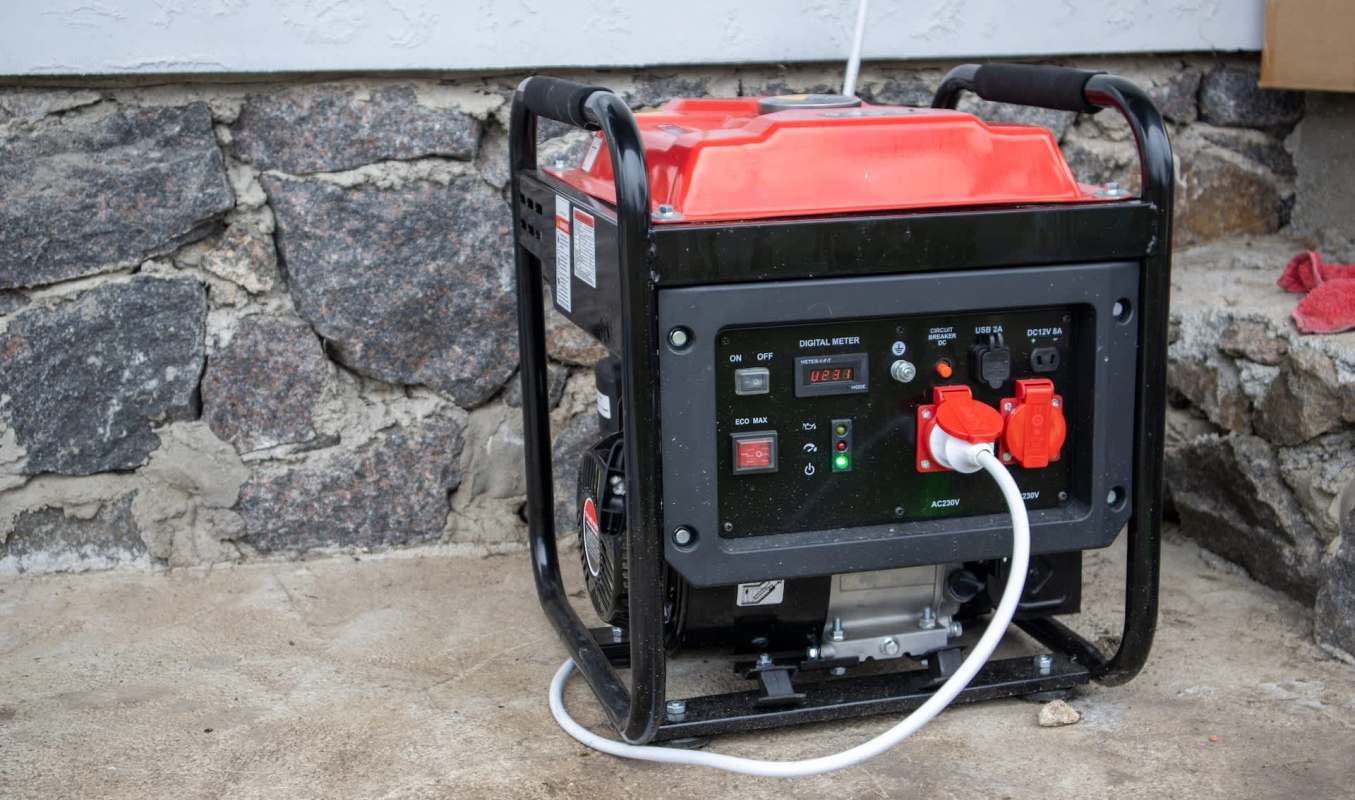
As Louisiana enters hurricane season, fire officials are cautioning that a popular backup power option can become dangerous when it is not used correctly.
Portable generators can be helpful during outages, but fumes, overheating, and fuel mishandling can quickly turn them into a life-threatening hazard.
What happened?
As hurricane season gets underway, fire officials in Louisiana are asking residents across Acadiana to revisit generator safety, KLFY reported.
That reminder came after a generator-related issue at a residence on Kaliste Saloom Road in Lafayette Parish.
Abbeville Assistant Fire Chief Patrick Ashley said many generator emergencies can be avoided by following basic safety steps.
Ashley told KLFY that people should wait until a generator has cooled down before trying to add more fuel.
He also said generators should not be used inside a house, in a garage, or close to windows.
"Don't put it inside your house. Don't put it in the garage. Don't put it next to a window so you don't pull the fumes in while it is running," he said to KLFY.
Save $10,000 on solar panels without even sharing your phone number Want to go solar but not sure who to trust? EnergySage has your back with free and transparent quotes from fully vetted providers that can help you save as much as $10k on installation. To get started, just answer a few questions about your home — no phone number required. Within a day or two, EnergySage will email you the best local options for your needs, and their expert advisers can help you compare quotes and pick a winner. |

Officials are also telling residents to examine extension cords before using them and to be alert for signs of overheating. Ashley said a breaker that keeps tripping can signal that the generator is under too much strain.
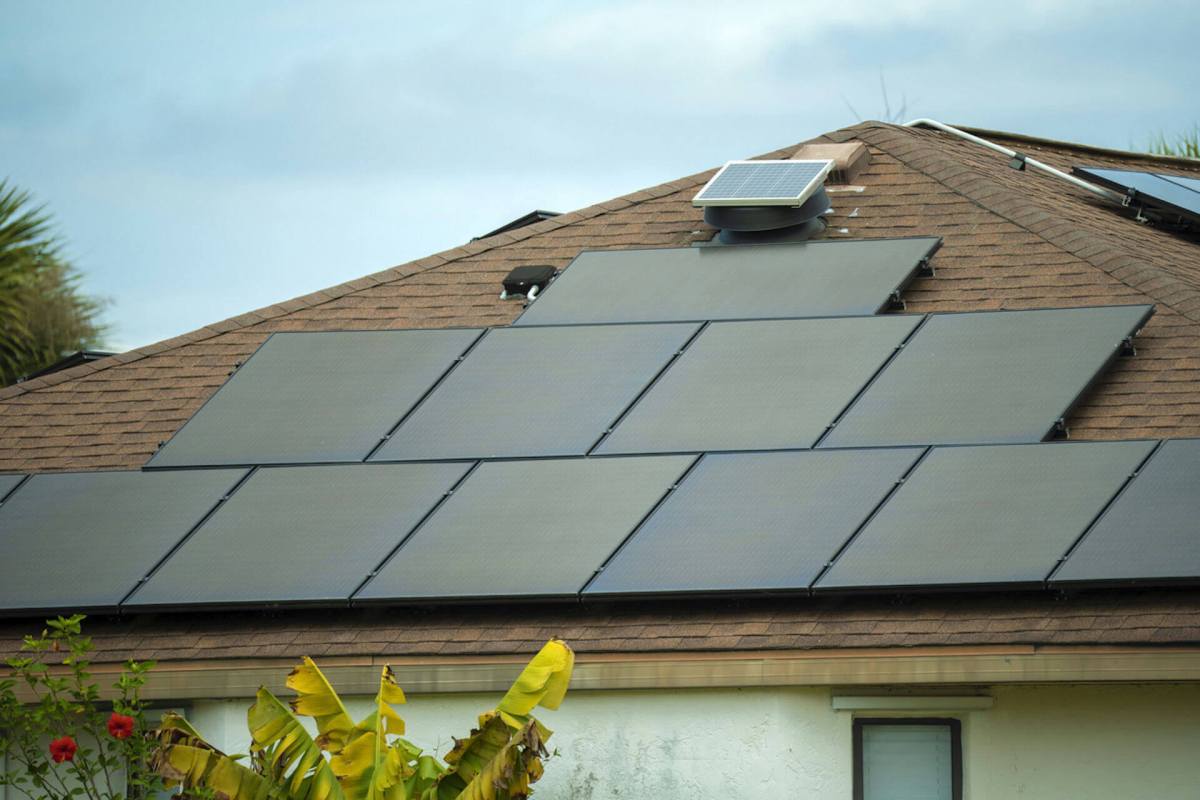
If you want to avoid generator issues altogether, going solar can make your home more resilient during blackouts while saving money on home energy. Homeowners can explore EnergySage's free tools to get quick solar installation estimates and compare quotes. Another smart step is checking EnergySage for pricing options before storm season ramps up.
Why does it matter?
According to the American Red Cross, generator use can cause carbon monoxide poisoning, electric shock, and electrocution.
KLFY reported that carbon monoxide is especially dangerous because people cannot detect it without proper equipment.
More From EnergySage
💡Go deep on the latest news and trends shaping the residential solar landscape


When the power goes out, and the appliances and devices that we have become accustomed to no longer work, then people's minds are focused on one thing: getting the power back on. It's easy to go out and buy a generator, but operating it safely takes some careful consideration.
What can I do?
Use generators only outdoors, and keep them away from garages and windows.
Wait for the unit to cool before refueling it, inspect cords for wear, and pay attention to overheating, including breakers that keep tripping.
For people looking into solar or who already have it, adding battery storage to a solar setup is one of the best ways to have extra protection during outages, save money on energy, and go off grid. Homeowners can explore EnergySage's free tools for information about home battery storage options, including competitive installation estimates.
It can also help to use EnergySage's solar map. This tool allows homeowners to see the average cost of a home solar panel system where they live.
EnergySage's free services can be especially useful for homeowners trying to prepare for both rising energy costs and outage risks. That makes it easier to compare offers, understand incentives, and choose a setup that fits both a budget and a backup-power plan.
As Ashley put it: "Don't try to fill it up with fuel while it's still hot. You know, if it runs out of fuel, let it sit for a while."

Get TCD's free newsletters for easy tips, smart advice, and a chance to earn $5,000 toward home upgrades. To see more stories like this one, change your Google preferences here.






